Speed of publication is not an indicator of reliability
The Disinformation Counteraction Centre at the National Security and Defence Council emphasised that the speed of disseminating information about missile or drone strikes does not guarantee its truthfulness. Citizens are advised to rely primarily on official air raid alert signals, messages from the Air Force of the Armed Forces of Ukraine, and local military administrations.
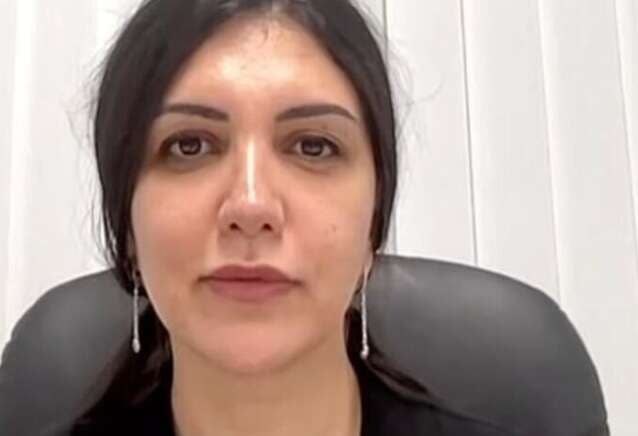
These recommendations were made by Anait Khoperya, acting head of the RNBO Disinformation Counteraction Centre, during an appearance on the ICTV television channel.
How to distinguish a reliable source from a disinformation one
According to Khoperya, monitoring Telegram channels should be viewed exclusively as an additional source of data. When choosing such a resource, the key is to analyse not only the speed of updates but also the nature of the messages themselves.
A source can be considered reliable if it adheres to security requirements, refrains from stoking panic, and avoids using clickbait headlines. Such channels do not publish information about the operation of air defence systems, the location of Defence Forces positions, or dubious "insider" details. A sudden change in the name or theme of a resource is an additional signal for caution.
Risks of tracking targets and publishing videos
The official warned that detailed real-time tracking of missile and drone trajectories could lead to the disclosure of confidential information to the enemy. This gives the adversary the opportunity to adjust the parameters of subsequent strikes.
Separately, Khoperya called for refraining from publishing photo and video materials of the consequences of shelling while it is taking place. A malicious actor could use such footage to plan new attacks.
«Межа між корисним попередженням та шкодою обороні проходить там, де інформування про небезпеку перетворюється на розкриття безпекової інформації» (The line between a useful warning and harm to the defence lies where informing about danger turns into the disclosure of security information), the head of the Disinformation Counteraction Centre concluded.






Comments
No comments yet. Be the first!