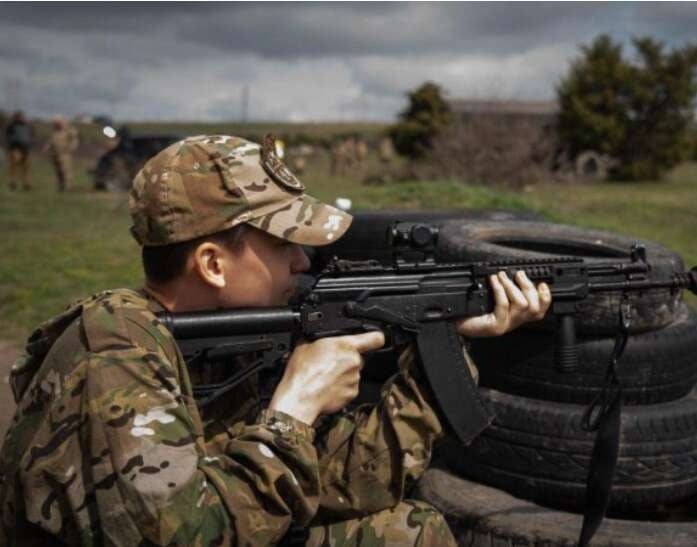
Children from age 7 involved in drone piloting competitions in temporarily occupied Luhansk
Russian occupation administration held drone piloting competitions in Luhansk involving school-age children.
Russian occupation administration held drone piloting competitions in Luhansk involving school-age children.
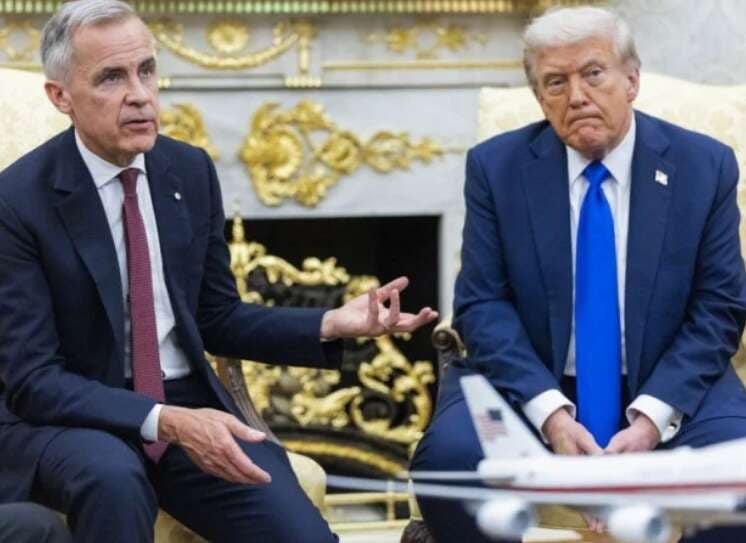
Canadian Prime Minister Mark Carney stated that he will not sign a trade deal with Washington just for the sake of a deal and is prepared to postpone signing until the US administration changes.
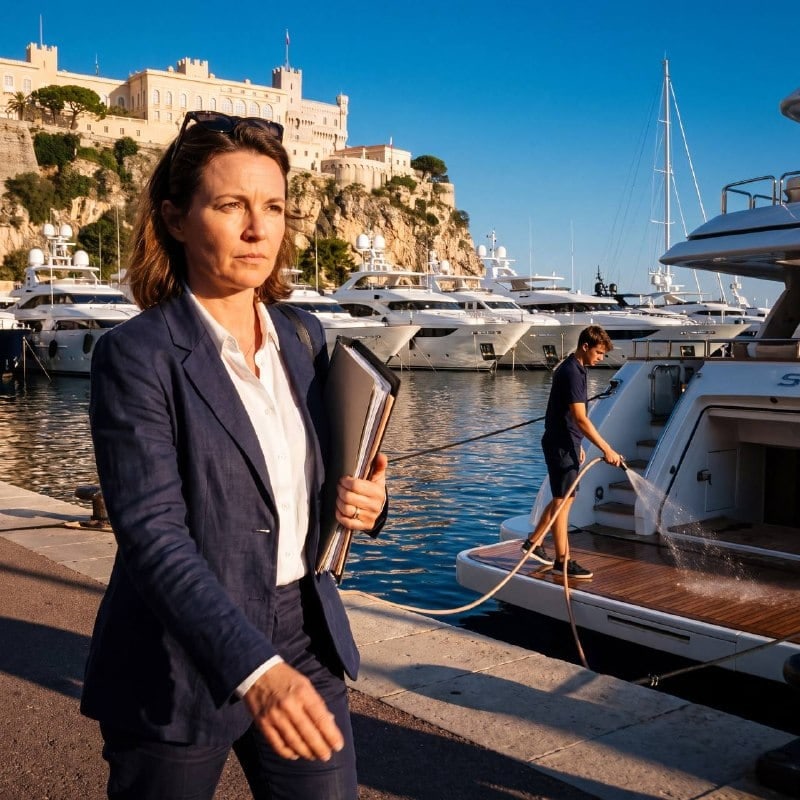
Monaco gained a clean reputation after signing a new protocol that changed the rules for asset owners: proving the legal origin of funds is now key.
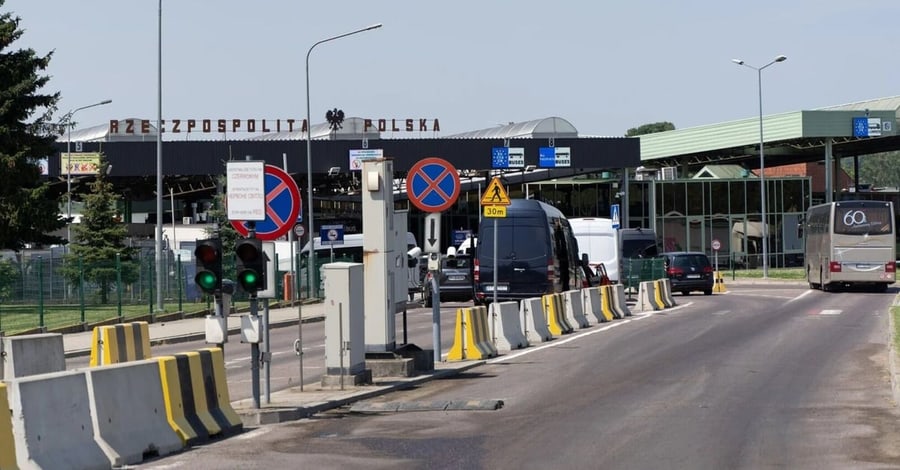
Woman detained at Medyka border crossing after attempting to hand officer 100 zloty. Vehicle and passengers returned to Ukraine; court to decide case's fate.
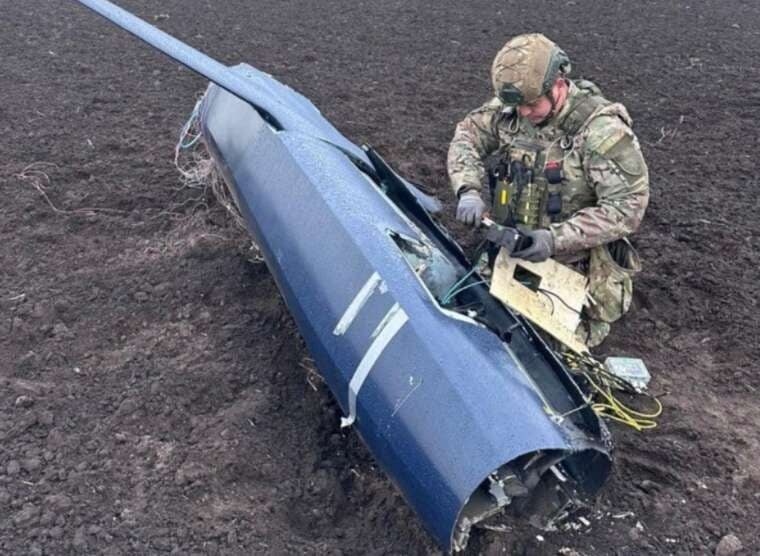
Police bomb disposal experts destroyed a fragment of a Russian drone found in a field in Boryspil district, left over after an attack.
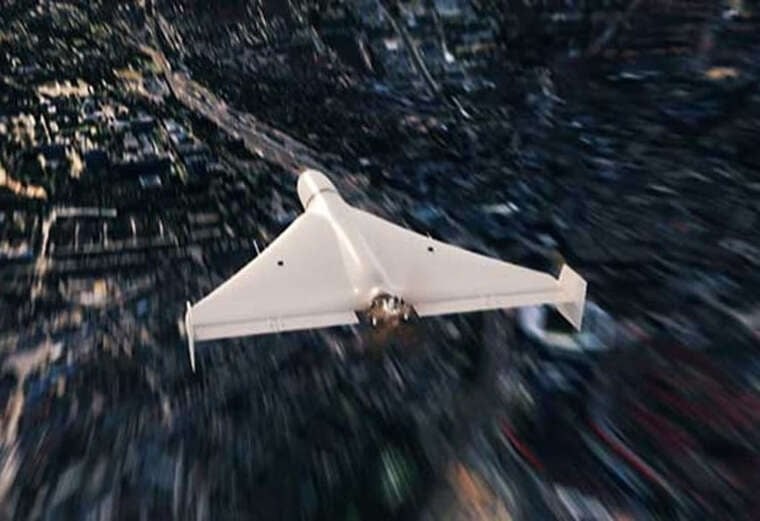
Head of Poltava OVA Vitaliy Dyakivnych reported that on 1 November, an enemy UAV crashed in an open area. No reports of casualties or damage were received.
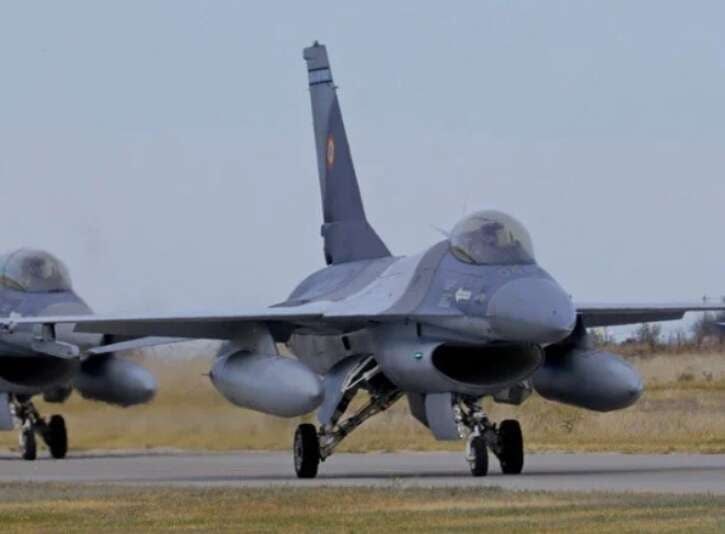
Drones appeared in the north-eastern region of Romania on the evening of 31 October. The country's armed forces deployed fighter jets and a helicopter to monitor the situation.

During protests against the backdrop of the Constitutional Tribunal conflict, a man in a historical Polish cavalry costume was spotted among the demonstrators.
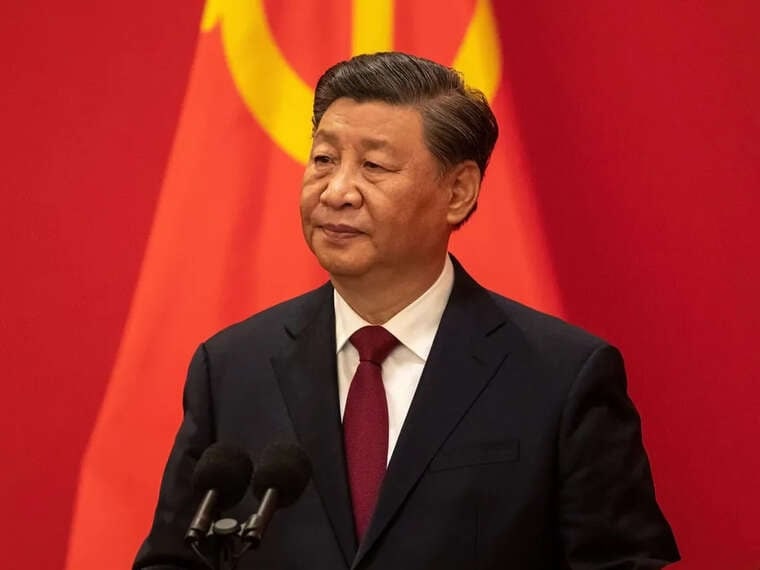
Chinese leader Xi Jinping proposed to Berlin the formation of a new model of interaction based on equality, mutual benefit, and strategic stability. He put forward this initiative during a meeting with German President Frank-Walter Steinmeier on 30 October 2026 in Beijing. Steinmeier is in the PRC for a five-day state visit.
The Chinese leader called on the two largest economies in Asia and Europe to abandon confrontation and protectionism, instead expanding trade, investment, and technological exchange. Priority sectors for cooperation were identified as artificial intelligence, automotive manufacturing, the digital economy, "green" energy, and the services sector, reports China Daily.
Despite ongoing disputes with the European Union, trade turnover between Beijing and Berlin in 2025 grew by 4.6% and reached $211.11 billion. As a result, China again became Germany's main trading partner in the world, while Germany retained its status as a key partner for China among EU countries.
Meanwhile, total trade in goods and services between the EU and China in 2025 exceeded €880 billion. However, the structure of the exchange remains imbalanced: imports of Chinese goods to Europe amounted to €571.3 billion, while exports of European products to the PRC were only €199.5 billion. This led to a deficit exceeding €370 billion and intensified tensions over issues of subsidies, market access, and export restrictions on strategic raw materials.
Xi Jinping called on German businesses to intensify investments in China, promising to improve the business climate and open new sectors for cooperation. At the same time, he demands fair and non-discriminatory conditions for Chinese companies operating in Germany.
Frank-Walter Steinmeier confirmed Berlin's adherence to the "one China" policy, the principles of the UN Charter, and the rules of the World Trade Organization. However, ahead of the meeting, the German president warned that Beijing's pursuit of economic self-reliance should not create dependence for other states. Berlin expresses concern over state subsidies to Chinese producers, restrictions on European firms' access to the PRC market, and China's control over critically important raw materials.
A key element of the visit was the tour of the Volkswagen Group China Technology centre in the city of Hefei (Anhui province). This is the largest research and development complex of the conglomerate outside Germany, where approximately 3,000 engineers and technical specialists are developing intelligent electric vehicles.
Volkswagen's Chinese division received permission for road testing of third-level (L3) autonomous driving systems and expects to prepare the technology for implementation in 2027. Steinmeier proposed more actively implementing Chinese developments in the German and European automotive industry.
Xi Jinping also proposed to deepen exchange in the fields of education, culture, and science, simplify the visa regime by the 55th anniversary of the establishment of diplomatic relations in 2027, and strengthen coordination of positions in international organisations.
Steinmeier, who visited China for the eighth time in 25 years, emphasised the need to uphold international law and avoid the formation of new economic blocs.
This trip takes place following German Chancellor Friedrich Merz's visit to China in February. Meanwhile, Germany and France are discussing new EU instruments to counter unfair trade practices. Beijing proposes to deepen economic partnership, while Berlin seeks to achieve more equal trading conditions and protect its own industry.
Comments
No comments yet. Be the first!