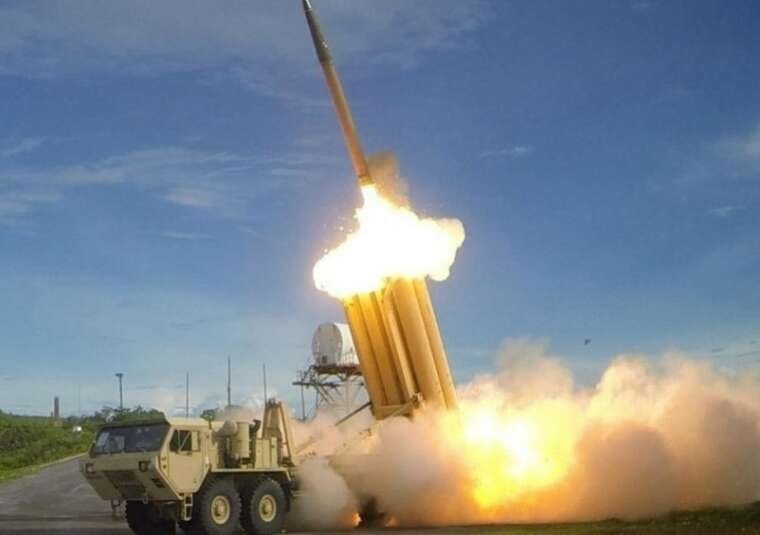
Washington strengthens air defence of Saudi Arabia and Qatar with Patriot systems
The US has deployed two additional air defence batteries to the Middle East to protect allies' oil and gas facilities.
The US has deployed two additional air defence batteries to the Middle East to protect allies' oil and gas facilities.
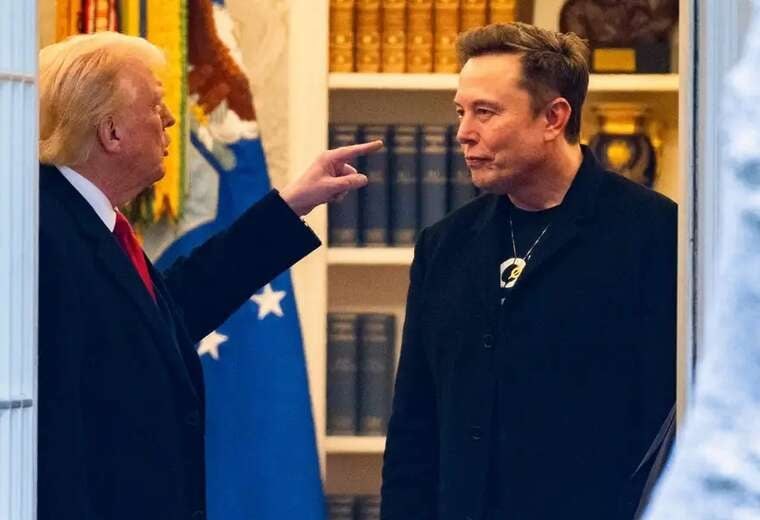
US President Donald Trump spent several hours testing the Grok AI, discussing with it the potential consequences of capturing Nicolás Maduro.

US President Donald Trump stated that Washington may have already decided to establish a permanent military base on Polish territory, although an official announcement has not yet been made.
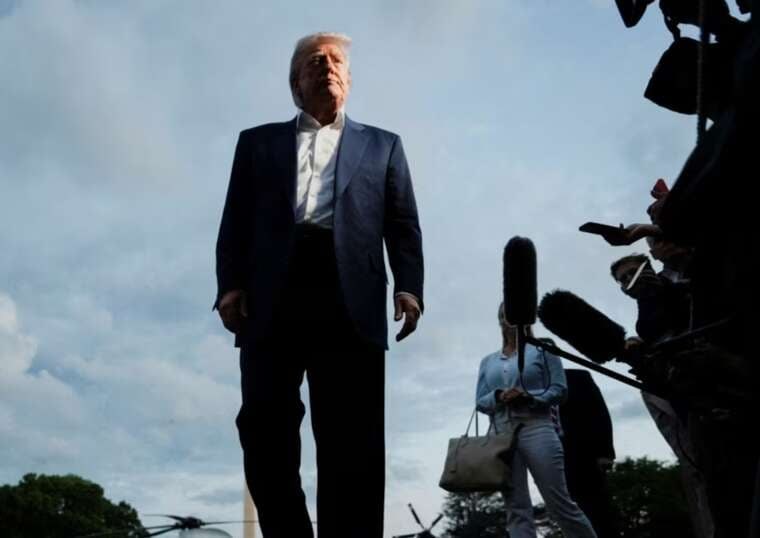
White House chief Donald Trump characterised the lethal injection incident involving Kristi Pike as a "curious situation", noting that the procedure should not be so complicated.
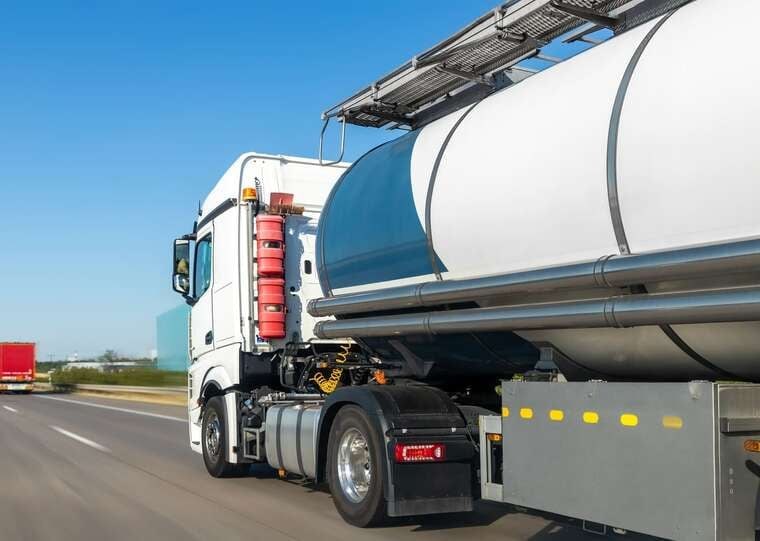
The court sentenced a logistics specialist who coordinated the illegal import of over 117 tonnes of ethyl and methyl alcohol from Turkey via a fictitious company.

Zaporizhzhia businessman Artur Hatunk has acquired the Citrus chain, which has been at the centre of tax investigations for years. An analysis of registers shows that the ownership structure of key assets remains opaque.
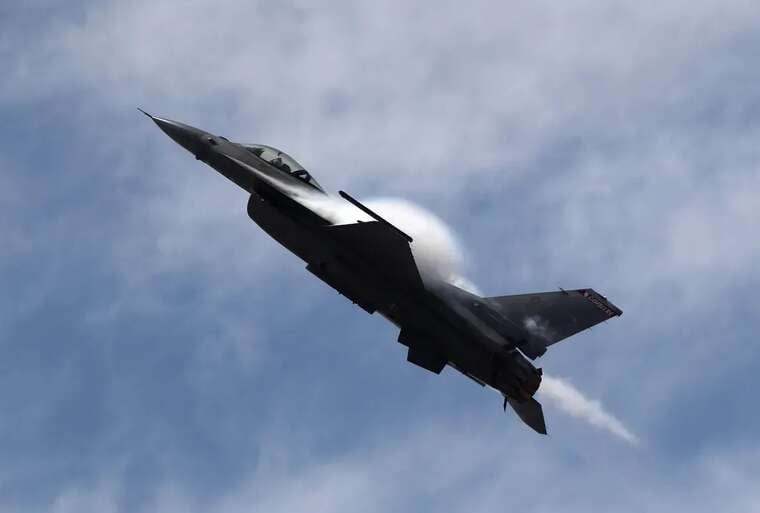
The President of Ukraine told Financial Times that a significant portion of F-16 fighters is temporarily unavailable due to repair work being carried out abroad.
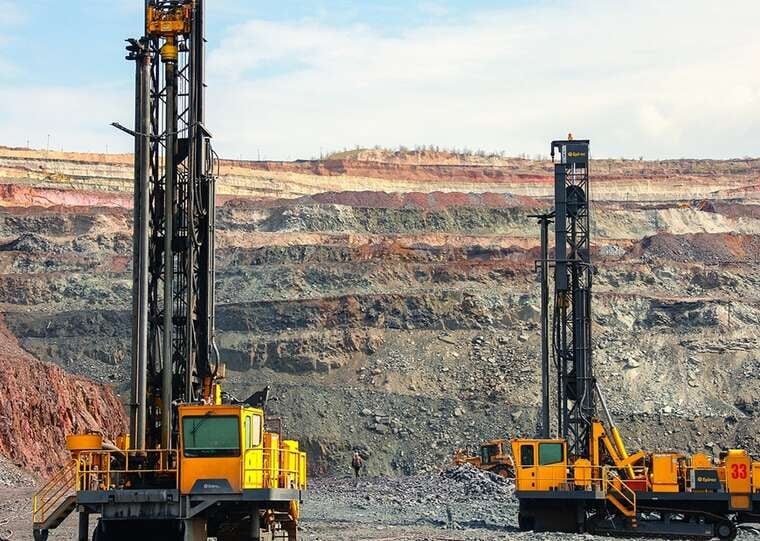
Ukrmetallurgprom warns of risk losing UAH 30–40 billion in tax revenues due to halt of mining and metallurgical complex operations.
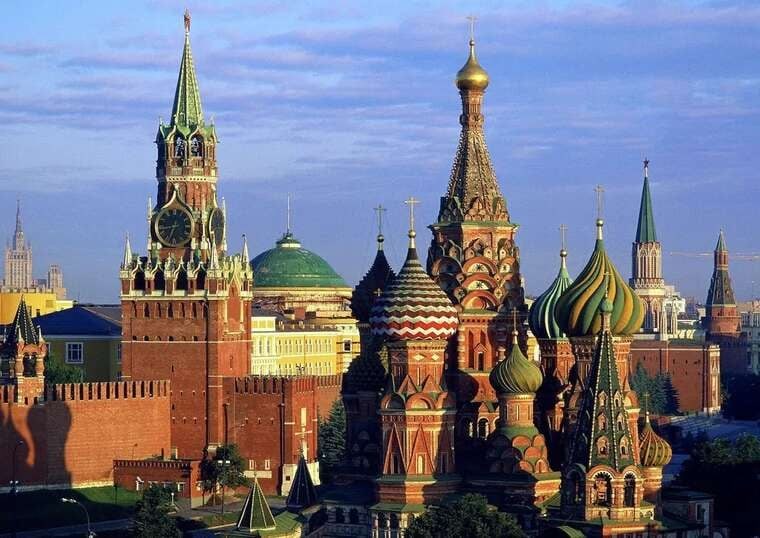
The Government of the Russian Federation has developed a strategy that entails maintaining elevated military spending for at least three years. This approach indicates Moscow's readiness for a protracted conflict in Ukraine. To finance these measures, the state is forced to seek additional revenue sources, turning to various sectors of the economy, including the mining industry and the sale of confiscated assets.
Bloomberg reported this information.
According to the budget draft, which the Russian government submitted to parliament on Thursday, military expenditure for 2027 is set at approximately 17 trillion rubles ($205 billion). This exceeds previous figures by more than a quarter. In the following year, 2028, these funds will decrease slightly to 16.6 trillion rubles ($200 billion).
Financing such a burden requires the government to actively draw funds from almost all other sectors of the economy. This entails raising taxes, fees, and using other revenue sources. The combination of military spending with declining revenues from the energy sector significantly narrows the state's financial capabilities. The budget deficit is expected to amount to around 2% of gross domestic product.
The heaviest new financial burden will fall on the mining industry and the fertiliser production sector. The government plans to withhold up to 30% of windfall profits if the average global price for certain types of raw materials (converted to rubles) exceeds the 2025 baseline level by at least 10%.
A separate windfall tax of 20% is provided for gold mining companies. According to government calculations, the new levy from the mining and metallurgical sector will bring approximately 200 billion rubles ($2.4 billion) to the budget annually.
Broader measures to fill the budget in the coming years will include the introduction of new taxes on dividends, changes to the corporate income tax system, increased revenues from other sources, as well as funds from the sale of confiscated assets. The publication noted that since 2022, assets worth tens of billions of dollars belonging to Russian oligarchs and international companies have changed owners.
Households will bear part of the financial burden: utility tariffs will rise faster than previously forecast. The overall growth rate will average 11% in 2027.
The budget structure clearly demonstrates that the war remains the funding priority. Meanwhile, spending on other areas – such as education, culture, social policy, and healthcare – remains generally unchanged or is being cut.
Comments
No comments yet. Be the first!