
Latvia plans mass protest against Russian grain transit
The second protest will take place in Jekabpils on 7 November, where participants will demand a ban on the transit of Russian grain through the country.
The second protest will take place in Jekabpils on 7 November, where participants will demand a ban on the transit of Russian grain through the country.
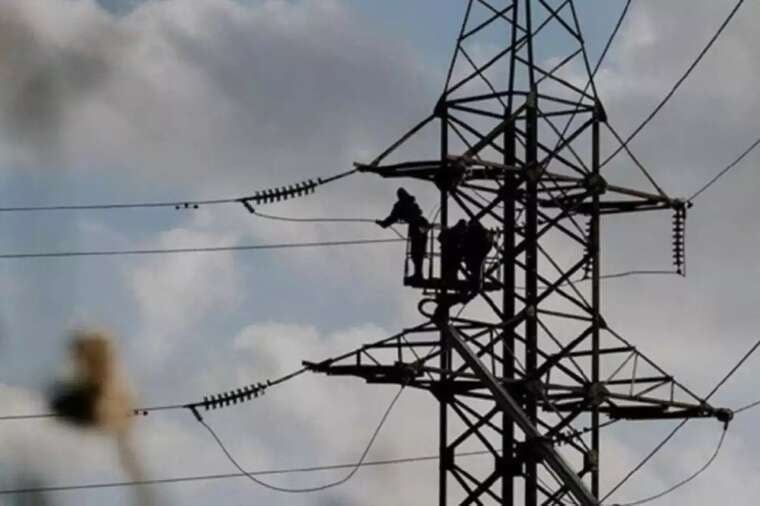
On the night of 4 November, Russian occupiers attacked infrastructure in Volyn, Zhytomyr, Ternopil, Odesa, Kirovohrad and Rivne regions.

Law enforcement sources believe that mass investigative actions against senior SBU officials are linked to gaining access to data from the smartphone of detained Andriy Osipov.
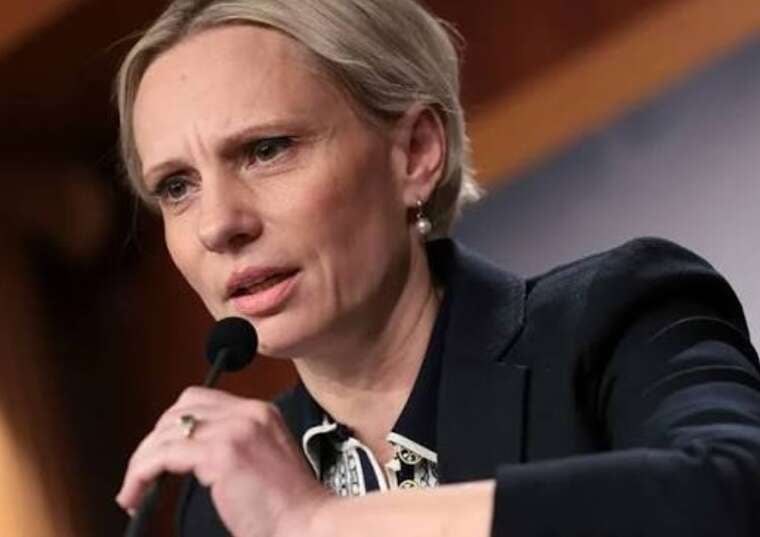
Republican Victoria Spartz, the first Ukrainian woman in the US Congress, lost to Democrat JD Ford after 99% of votes were counted.
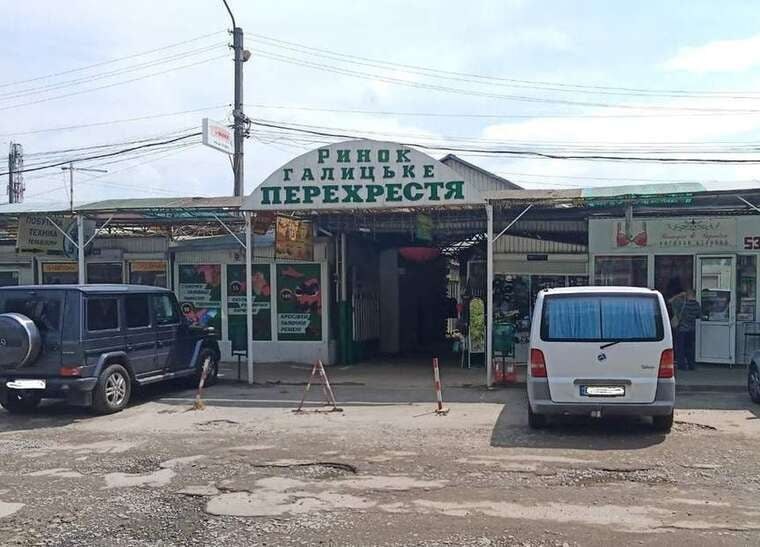
The National Agency for the Management of Seized Assets (ARMA) is preparing a new competition to manage 50% of the corporate rights in LLC "Halychke Perkhrestya", valued at 2.8 million hryvnia.
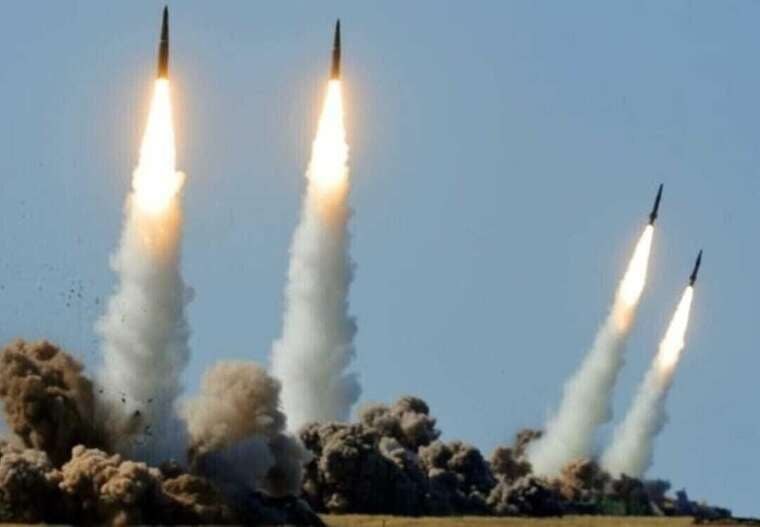
Intelligence has established that the Russian Federation's arsenal includes up to 700 ballistic and thousands of cruise missiles, while military-industrial complex capacities allow for the production of over 200 units per month.
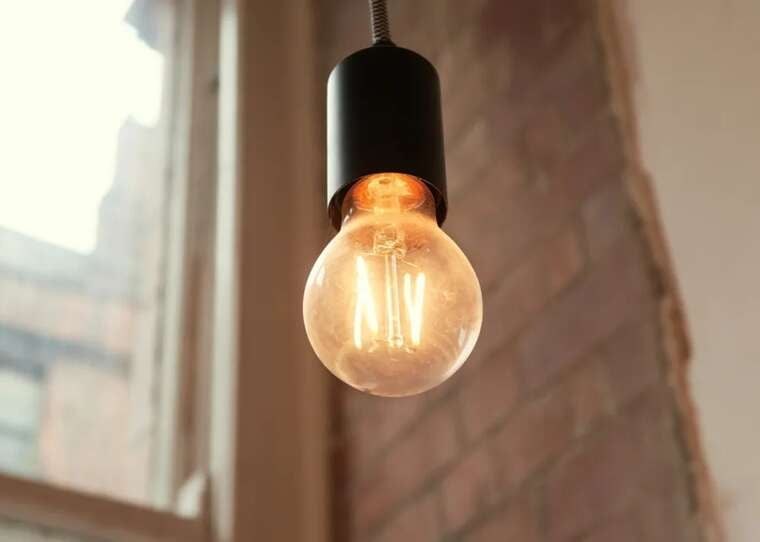
The capital has ended emergency power supply restrictions that lasted over a day. The city is transitioning to standard grid operation mode.

The company confirmed that the search engine is fully dependent on artificial intelligence. This has drawn criticism from the company's opponents and the Mayor of New York.
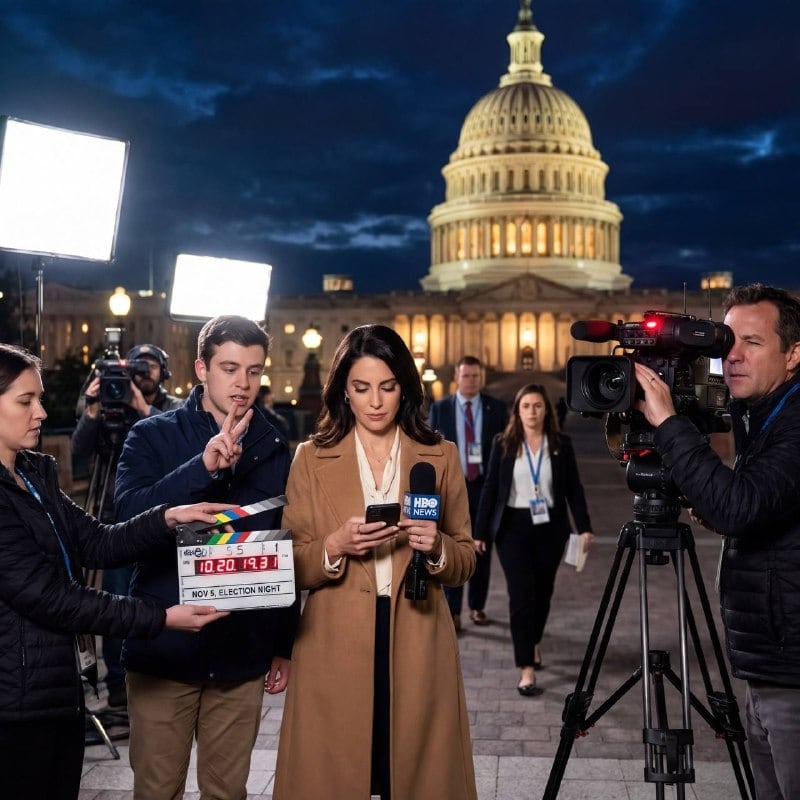
Even before the official vote count, Donald Trump defined his strategy of action, naming the veto as the key instrument. These words, along with expectations of a shift in the balance of power in Congress, caused indices to fall on financial markets overnight.
As of the morning of 4 November, the situation looks as follows. Around 22:00 New York time on 3 November (03:00 UTC on 4 November), TV channels MS NOW, CNN, NBC and CBS forecast a Democratic victory in the House of Representatives. Associated Press had not yet confirmed the result at the time of publication of this data. Regarding the Senate, Democrats have an advantage in several states with close margins, specifically in Texas, Michigan, Maine and North Carolina. In the event of a 50-50 split in seats, control will remain with the Republicans, as the deciding vote belongs to Vice President JD Vance.
Trump's approval rating, according to an analysis of polls by the New York Times, stands at around 37%, which is close to his minimum figure of 36% recorded two weeks ago.
On 3 November, before the polls closed, Trump gave a telephone interview to CBS News. "I have the highest power, it is called a veto," he noted. The president explained the mechanism of action: "Historically, you veto for a couple of months, and then they come and say: we need to make a deal."
He separately drew attention to the Supreme Court's decision in the case of Trump v. Slaughter. This year, the court, by a vote of 6 to 3, allowed the president to fire Federal Trade Commission member Rebecca Slaughter. According to Trump, this case "gives the president enormous powers that he has never had before." He readily accepted the nickname "Mr. Veto," which has become associated with him, CBS reports.
On the night of 4 November, the price of S&P 500 index futures fell by approximately 1%, while Nasdaq futures dropped by 2%. The US dollar index lost 0.55%. The yield on 10-year US Treasury bonds stands at around 4.95%. Bitcoin quotes are holding at a level of approximately $76,500.
Oil prices are holding near $95, influenced by two factors simultaneously. Reuters reports that the Strait of Hormuz is effectively blocked, while investors assess the prospects for negotiations on ending the wars in Ukraine and Iran. Pepperstone analyst Chris Weston believes that "a narrow blue wave could have been largely priced in."
The formation of a divided Congress means that the adoption of every major law — from the budget to taxes and the defence budget — will now go through a process of bargaining. The market reacts negatively to uncertainty, as demonstrated by the first hours after the elections. A veto does not cancel Congress, but it sets a price for every potential deal, so it is worth assessing which decisions depend on Washington's ability to agree with itself.
Comments
No comments yet. Be the first!