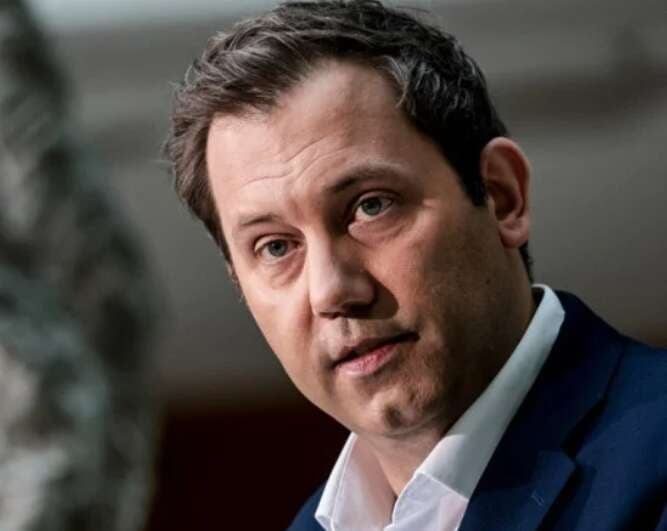
Klingbeil: Germany will not allow Russia's return to G20
German Vice-Chancellor stated in Bangkok that European countries are opposing US attempts to restore Russia's position on the global stage.
German Vice-Chancellor stated in Bangkok that European countries are opposing US attempts to restore Russia's position on the global stage.
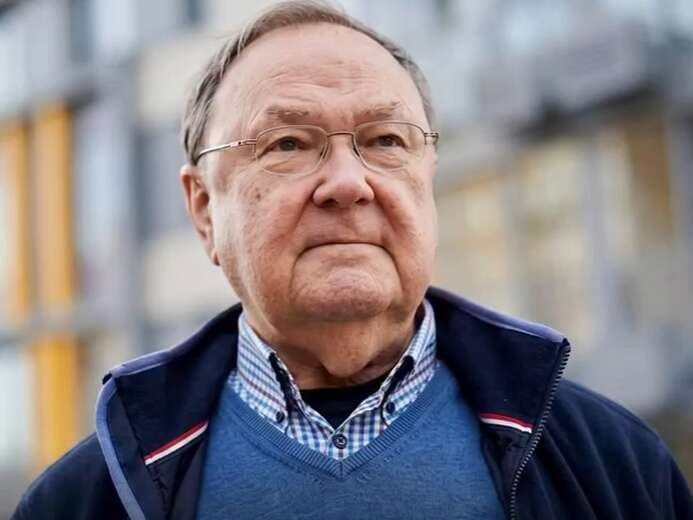
Mykhailo Krutikhin explained that to significantly impact life in the Russian capital, it is sufficient to strike water supply, sewage, and energy infrastructure, rather than administrative buildings.
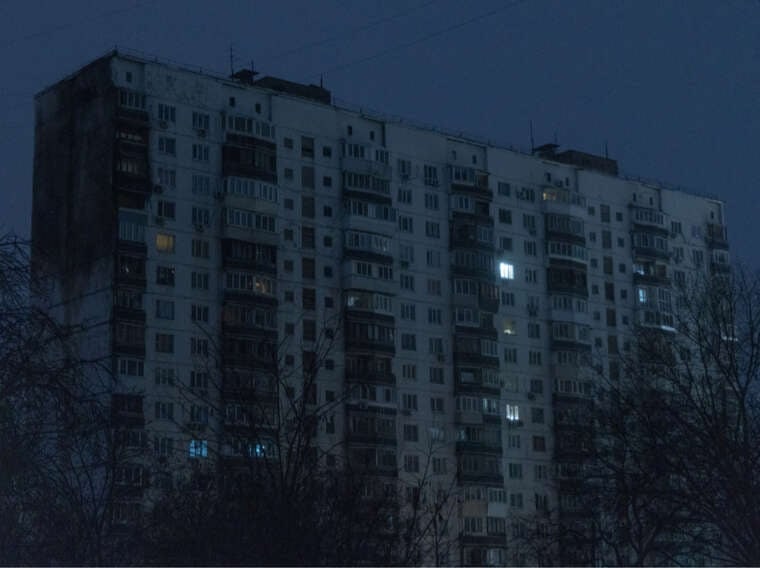
Three thermal power plants in Kyiv have ceased generation, forcing the city to consume electricity supplied via the energy ring from other regions.
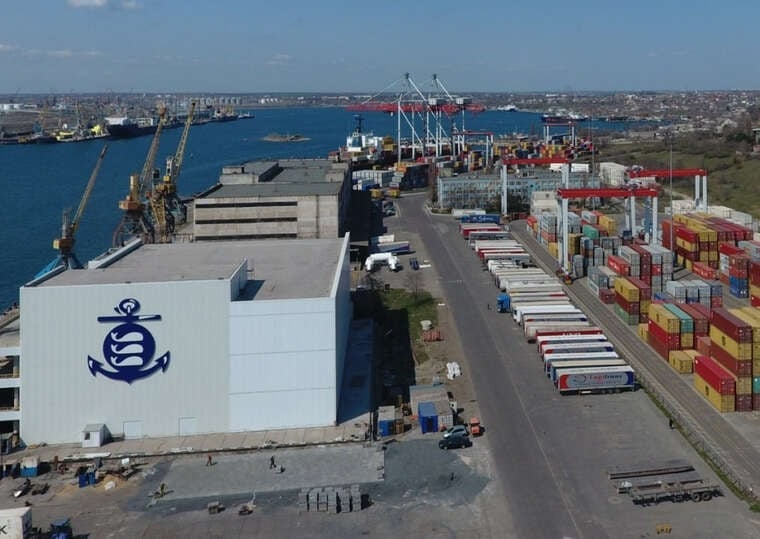
Law enforcement are verifying the actions of officials at Chornomorskyi Rybnyi Port LLC regarding unpaid taxes and suspicious financial operations with other companies.

The Ministry of Health clarified which specific diseases and defects entitle individuals to the third disability group following the abolition of MSEC.

Official representatives of eight US states have initiated legal proceedings against OpenAI, alleging that the company poses a threat to children's health and lives.
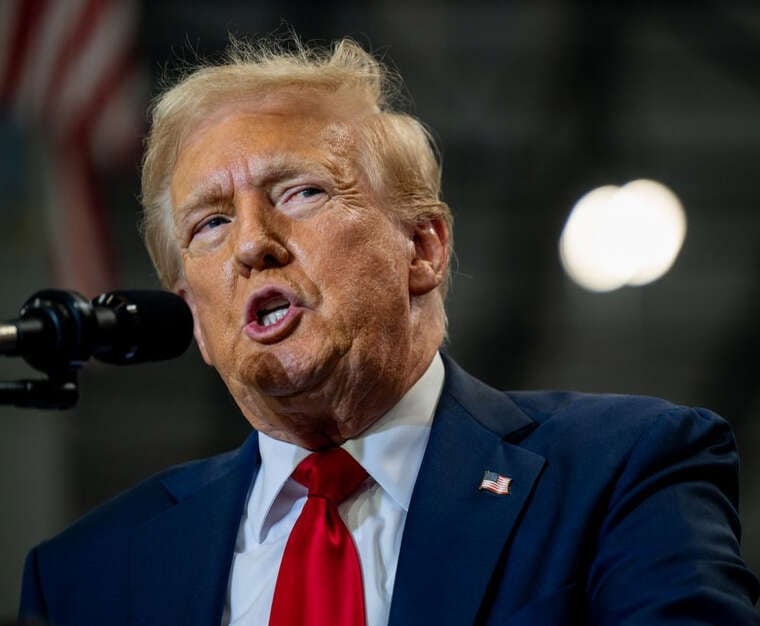
The leader of the US administration stated that Ottawa will inevitably become part of the US, noting that Washington previously suffered significant financial losses from trade with its neighbours.

Ihor Rainein's son opened a chain of establishments in Poland where Russian was used and staff were not paid. The company's management is linked to sanctioned Alona Shevtsova and the "Aibox" structure.
Ukrainian citizens and businesses have significantly strengthened their energy autonomy by accumulating a substantial reserve of backup power. Estimates suggest that the total capacity of charging stations and other power supply systems installed in homes and commercial facilities has already reached over 3 GW.
These figures were previously cited by Valeriy Yakovenko, co-founder of DroneUA. According to him, the total accumulated capacity of such systems in Ukraine is approximately 1.6 GW, while their total power output exceeds 3 GW.
For context, it is worth noting that even during periods of severe frost, Kyiv's electricity consumption reaches around 2 GW. This means that the combined capacity of private reserve sources across the country formally exceeds the winter load on the capital's energy system.
However, these indicators do not indicate that batteries can fully replace the centralised grid. Power and energy storage are different physical quantities. A charging station can generate significant power, but only for a limited time, until the battery charge is exhausted. Once discharged, the device requires recharging from the grid, a generator, or another source.
Despite these limitations, the widespread adoption of such systems can significantly mitigate the consequences of emergency or stabilisation outages. Citizens will be able to maintain the operation of lighting, household appliances, communications, and the internet, as well as circulation pumps. Business entities will also have the opportunity to partially continue their operations even in the absence of centralised power supply.
The issue of backup power is particularly acute for modern high-rise buildings. Andriy Zakrevsky, Deputy Director of the Association of Energy and Natural Resources of Ukraine, previously drew attention to the fact that buildings that rely heavily on electricity are vulnerable during prolonged outages. Without electricity, water supply and heating pumps, elevators, and other engineering systems stop working.
According to Zakrevsky, a significant part of the capital's old housing stock is gasified, while many high-rise buildings are entirely dependent on electrical and centralised infrastructure.
In addition to private initiatives, Kyiv is simultaneously developing municipal reserve capacities. In particular, the capital's authorities planned to bring the total capacity of cogeneration units to 200 MW by the end of 2026.
Thus, home batteries and charging stations can serve as an additional "safety cushion" during the heating season, but on their own, they do not guarantee full protection of the capital from the consequences of large-scale attacks on energy infrastructure.
Comments
No comments yet. Be the first!