
Odesa court recovers over UAH 277,000 in tax debt from OnlyFans creator
The Odesa District Administrative Court upheld the tax authority's claim and ordered Irina Hulych to pay the debt for untaxed foreign income.
The Odesa District Administrative Court upheld the tax authority's claim and ordered Irina Hulych to pay the debt for untaxed foreign income.
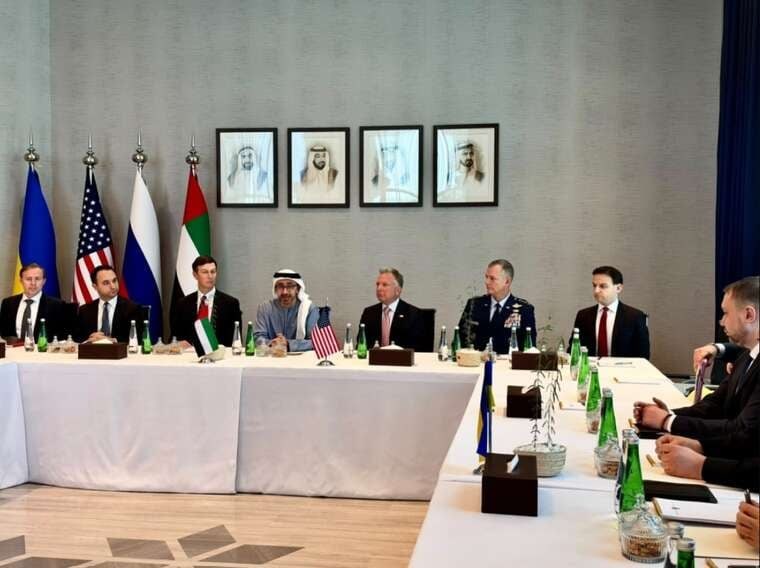
Diplomatic consultations in the UAE resume this morning. The parties will focus on finding solutions to the key issues of the conflict.
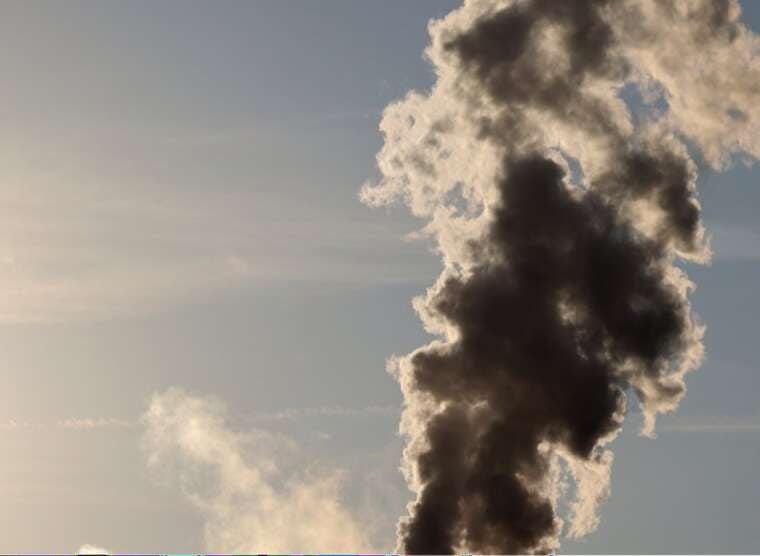
The attack on the Nova Podusivka district on 10 November damaged city buses. This led to the temporary suspension of three lines, while the number of vehicles and schedules for two others are still being determined.
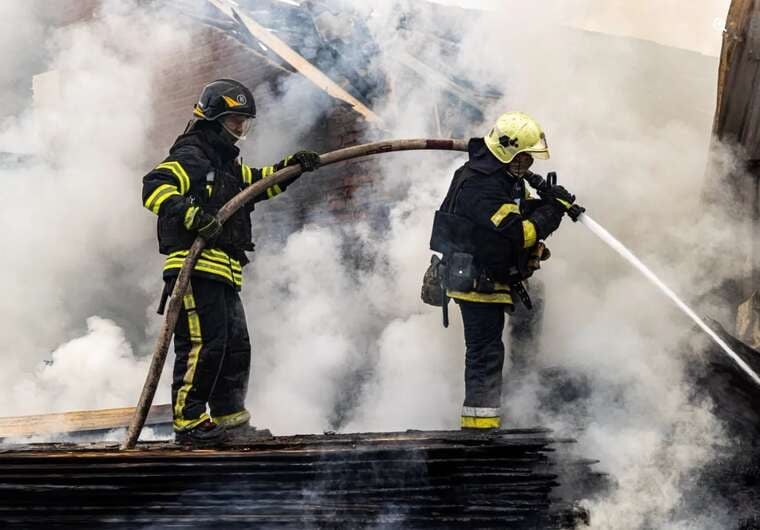
The enemy attacked Kryvyi Rih with strike UAVs, resulting in damage to residential buildings and infrastructure facilities. Some hospitals and pumping stations are operating on backup power.

Damage to the Northern and Southern bridges has complicated traffic in the capital, leading to huge congestion on approaches to the crossings.
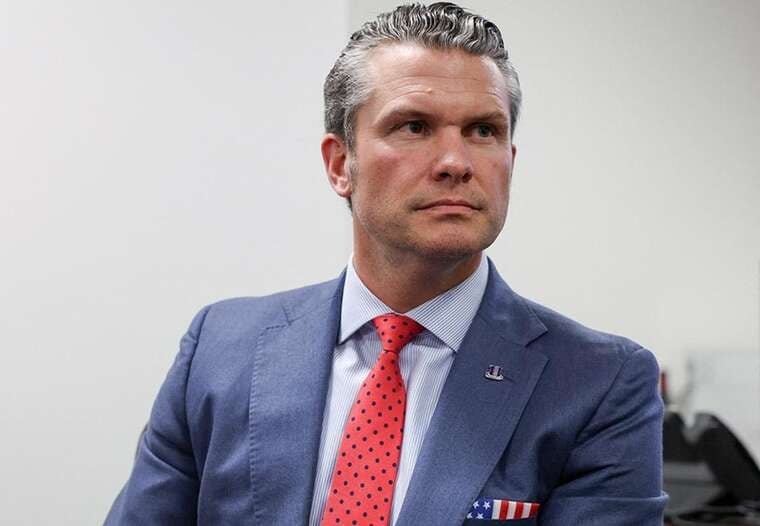
The US Secretary of Defence responded to Congressman Thomas Massie's initiative, stating that all military actions were lawful and carried out on the president's orders.
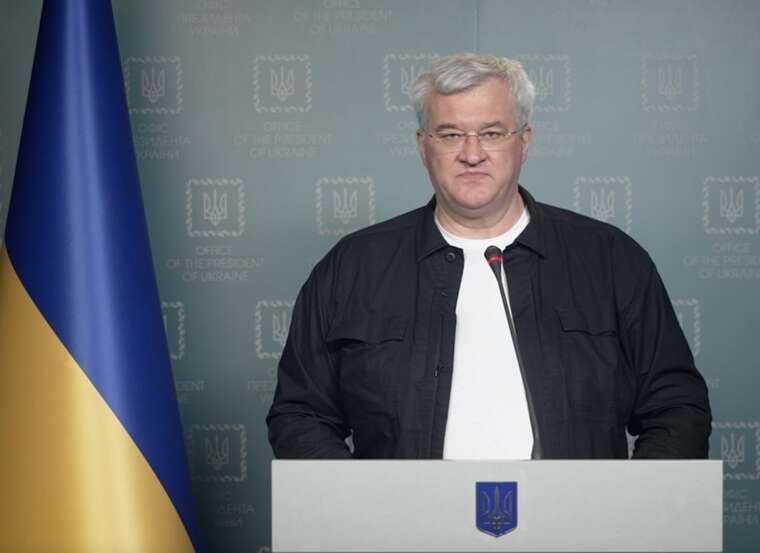
Ukraine's Foreign Minister Andrii Sybiha presented Kyiv's key requests to the G7 countries, emphasising the need for protection from airstrikes and increased pressure on Russia.
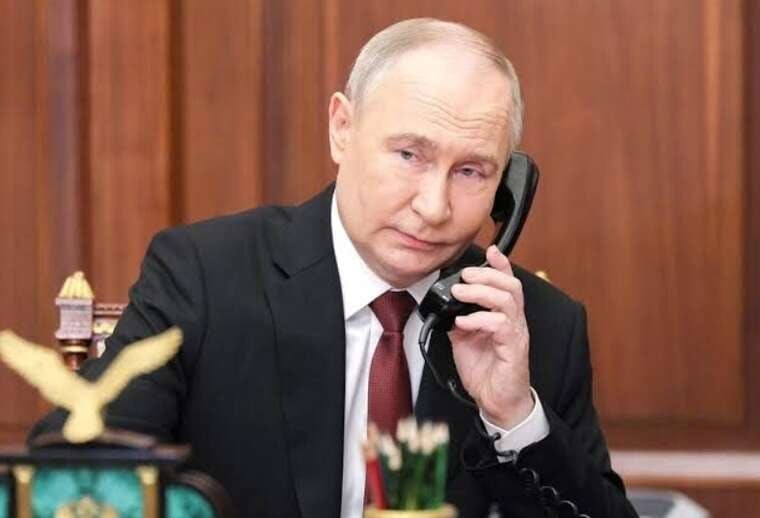
The Norwegian government leader stated that he does not rule out holding a new conversation with the Russian leader following the previous contact initiated by Oslo and Helsinki.
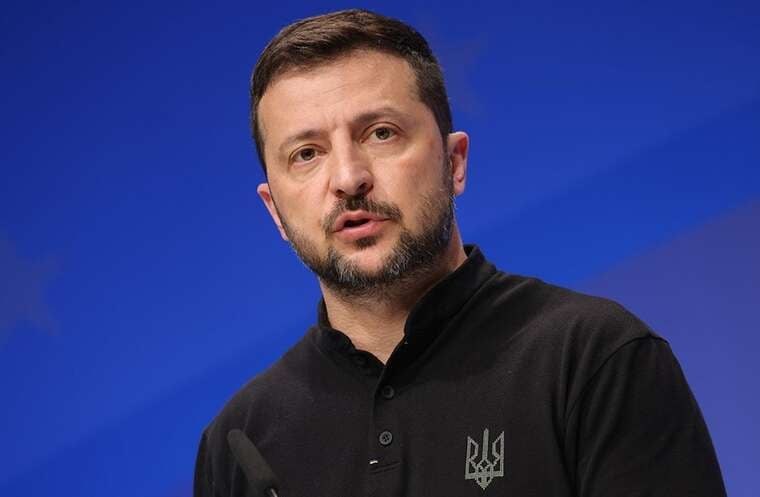
Sociological company Active Group published the results of a study assessing Ukrainians' attitudes towards corruption in elite circles and trust in anti-corruption bodies. The majority of respondents associate Volodymyr Zelensky with corruption processes in elite circles, yet remain confident in the objectivity of the materials released by the National Anti-Corruption Bureau.
According to the poll data, 59.1% of Ukrainians believe that the president is involved in corruption in the highest echelons of power. Only 24.8% of respondents are convinced of his non-involvement, while 16.1% could not decide on an answer.
A breakdown of the responses indicates the following distribution of opinions:
Geographical analysis shows a difference in the attitudes of city and rural residents. In megacities, 63.5% of those polled share this view, while in rural areas this figure stands at 49.7%.
Among the institutions that Ukrainians consider responsible for the spread of corruption during wartime, the government as a whole, along with ministers, came in first place — so believe 55.0% of respondents. The president was named as responsible for these processes by 49.2% of the poll participants.
The rating of other entities associated with corruption phenomena is as follows:
Heads of regional and district administrations (14.6%), city mayors (13.5%), and heads of state enterprises (11.2%) received a smaller share of mentions.
The gender and age breakdown shows that men more often point to the president as being responsible for corruption (57.4% versus 42.3% among women). Among people aged 66 and over, this figure reaches 70.7%.
The materials released by NABU within the framework of the "Carthage" case investigation (regarding the "protection of fraudulent call centres") elicited a high level of trust. 68.1% of those polled believe them, of whom 22.8% trust them completely, and 45.3% — rather trust them. 21.1% of respondents do not trust the bureau's materials.
Men demonstrate a higher level of trust in the anti-corruption body (76.4%) compared to women (61.2%). In megacities, this figure reaches 75.1%.
Regarding whether the high-profile anti-corruption cases of recent months indicate a strengthening of the real fight against corruption, public opinion is divided almost evenly. 41.9% of respondents see a strengthening of the fight, 47.2% hold the opposite view, and 10.9% are undecided.
The most sceptics are found among young people aged 18-25: only 32.2% of them believe in a strengthening of the fight. In contrast, among older people (aged 66 and over), 50.7% are already convinced of this.
At the same time, 90.6% of those polled are convinced that suspicions of corruption by the authorities need to be discussed openly even during wartime. 68.1% of respondents choose the option "It is necessary to speak openly", and another 22.5% — "Rather necessary". Only 5.2% of the study participants hold the opposite position.
This view is shared by the majority in every age category: among young people aged 18-25, 80.9% advocated for an open conversation, while among people aged 66 and over — 100%.
Comments
No comments yet. Be the first!