The Economist: Ukraine has likely lifted Starlink speed limits
Journalist Oliver Carroll reported that Ukrainian military personnel are testing satellite internet without speed restrictions, although there is no official confirmation.
Journalist Oliver Carroll reported that Ukrainian military personnel are testing satellite internet without speed restrictions, although there is no official confirmation.
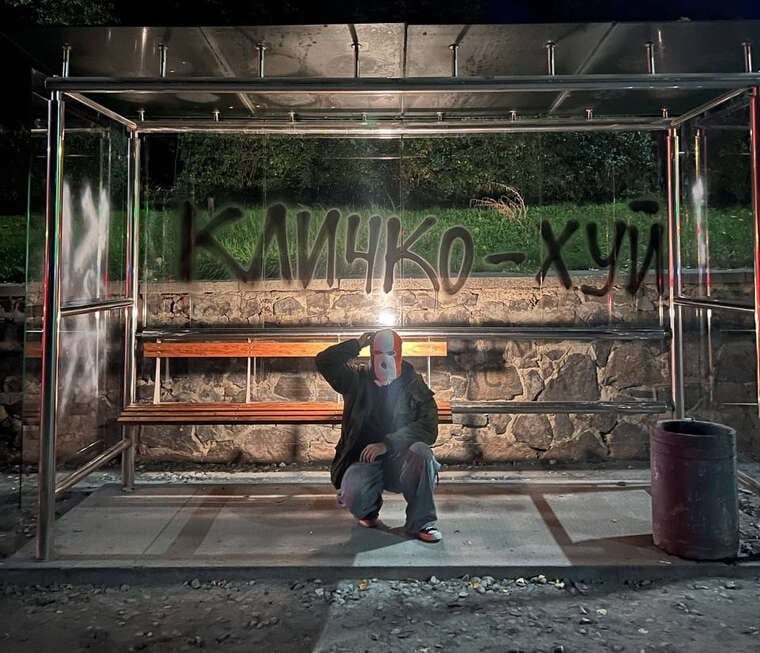
Municipal services left only the metal frame of the public transport stop. The reason for the removal of the glass panels has not been officially disclosed.
MP Oleksandr Fediienko believes that millions of people in Ukraine may be outside military registration. He proposed reviewing sanctions for unauthorized absence from unit and exemption practices in certain military administrations.
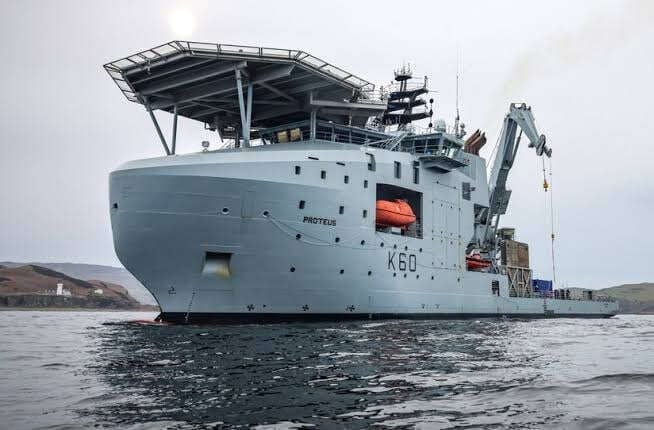
Analysis of satellite data revealed that 17 Russian fishing vessels passed near critical communication lines between Britain, Europe, and the US more than 500 times.
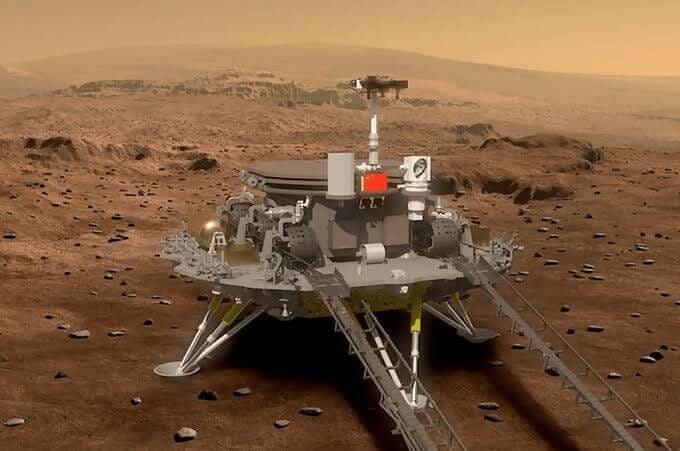
Roscosmos head Dmitry Bakanov announced the start of preparations for a joint programme with China to explore the Red Planet, involving the creation of scientific equipment.
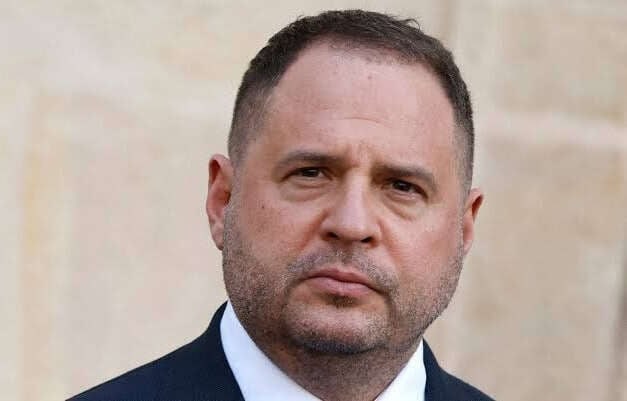
Serhiy Leshchenko continues to disseminate information from the former head of the Presidential Office, despite his dismissal and the notification of suspicion.
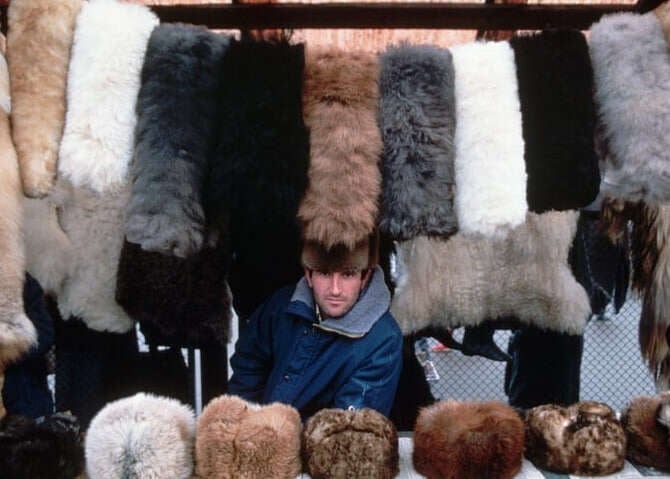
The European Union decided to suspend sanctions on purchasing sable fur from Russia due to the lack of alternative supply sources for the industry.
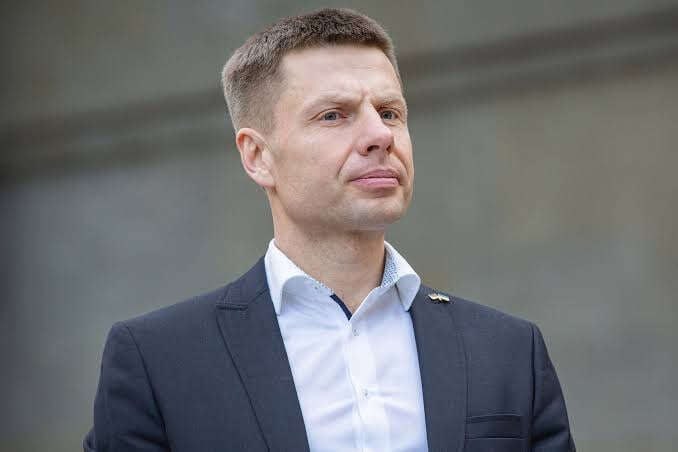
People's Deputy Oleksiy Honcharenko announced that the Verkhovna Rada plans to consider the draft State Budget for 2027 next week, with a first-reading vote scheduled for Tuesday.
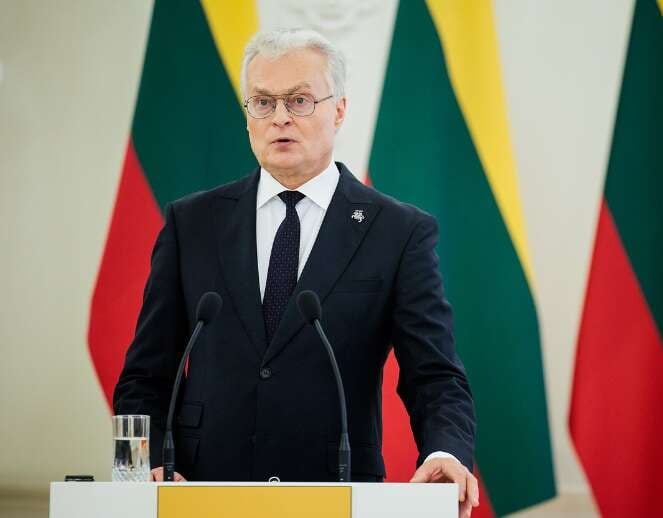
Lithuanian President Gitanas Nausėda voiced harsh criticism of the idea put forward by Russia to hold trilateral negotiations between the US, Russia and China to end the Russian-Ukrainian war without the presence of the Ukrainian side. The head of state told journalists on Thursday, LRT reports.
In the view of the Lithuanian leader, any meeting formats that exclude Ukrainian representatives raise serious suspicions about a possible division of spheres of influence.
Nausėda emphasised that Ukraine, as the party against whom the war is being waged, must necessarily participate in peace negotiations. He warned that Moscow's proposals, particularly the format involving China and the US, raise suspicions that the World War II scenario could be repeated.
“Ukraine itself must necessarily participate in the negotiations, therefore the formats proposed by Russia itself, for example, the format involving China, the US and Russia, raise suspicions that the World War II scenario could be repeated and a division into spheres of influence could take place. This causes great concern throughout the region,” – noted the President of Lithuania.
In addition, Gitanas Nausėda stressed that China cannot act as a completely impartial mediator as long as it continues to play the role of an accomplice to Russia in the war against Ukraine.
The President of Lithuania also proposed involving a European representative in the negotiation process. He justified this by stating that the end of hostilities would have a decisive impact on security, as well as the general economic and social situation in the entire European region.
“The end of the war will strongly affect security and the general economic and social situation across the entire European continent, therefore the participation of European representatives in the negotiations would be entirely natural, but for this we must establish very clear criteria,” – he added.
According to Nausėda, various names are mentioned among possible candidates for the role of EU representative, but the main criterion is the possession of an official mandate from all 27 member states of the Union. Currently, such a mandate is held by European Council President António Costa.
“Many names are mentioned, but one criterion is particularly important – such a person must have a mandate from all 27 EU member states. Currently, such an official mandate has been granted to António Costa. Therefore, perhaps there is no need for any additional mandate,” – explained the President.
To conclude, Nausėda added that Russia would resist any European participation in peace negotiations, so representatives of the continent would have to make additional diplomatic efforts.
Comments
No comments yet. Be the first!