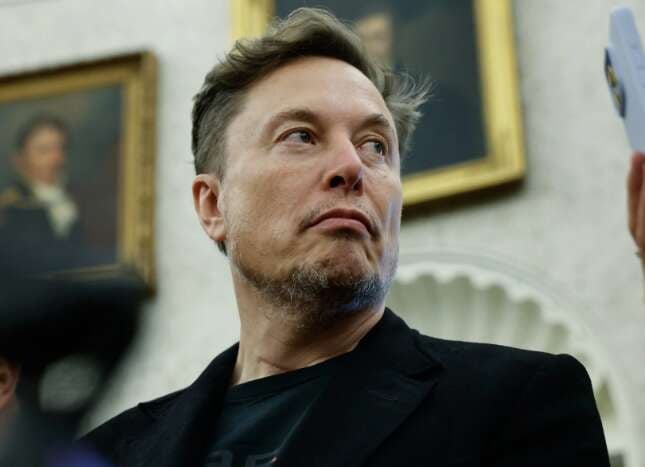
Elon Musk personally appealed to US President Donald Trump with a proposal to reduce the operating speed of the Starshield satellite system within Ukraine. According to data published by The Telegraph, this initiative significantly impacted the combat capabilities of the Armed Forces of Ukraine, particularly their ability to counter fast-moving Russian unmanned aerial vehicles.
The role of the Pentagon and denial of responsibility
These events became known thanks to four sources familiar with the course of negotiations. As one of the interlocutors noted, the US President supported the entrepreneur's idea. Following this, the Pentagon gained the opportunity to introduce restrictions for Starshield, which is a military modification of the civilian Starlink network.
Previously, Elon Musk publicly denied his involvement in restricting Ukraine's access to the system. He emphasised that Starshield speed parameters and usage are determined by the US military, with the final word remaining with the US President. However, The Telegraph sources claim that Musk and Trump were involved in the decision-making process. This version was confirmed by a senior European official and two Ukrainian interlocutors of the publication.
Impact on the operation of Ukrainian drones
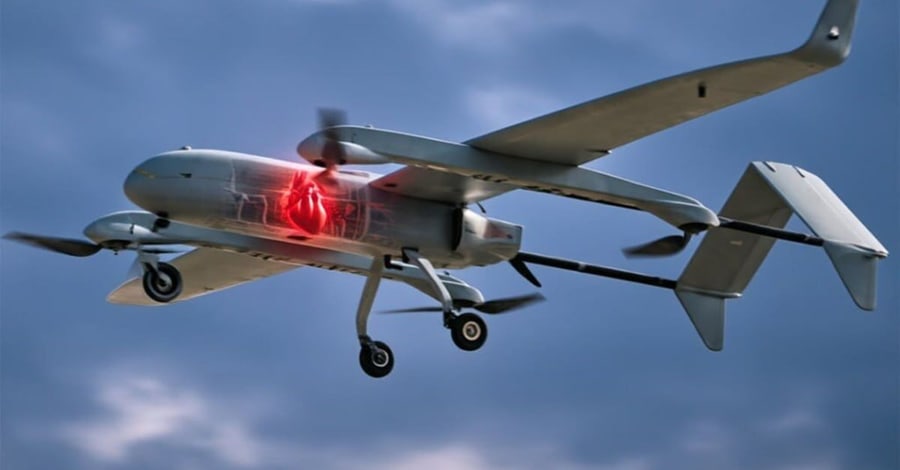
The implemented restrictions forced Ukrainian drones using Starshield to operate at a speed of approximately 160 km/h. This created a serious problem for intercepting Russian jet-powered drones and missiles, which travel at roughly twice that speed.
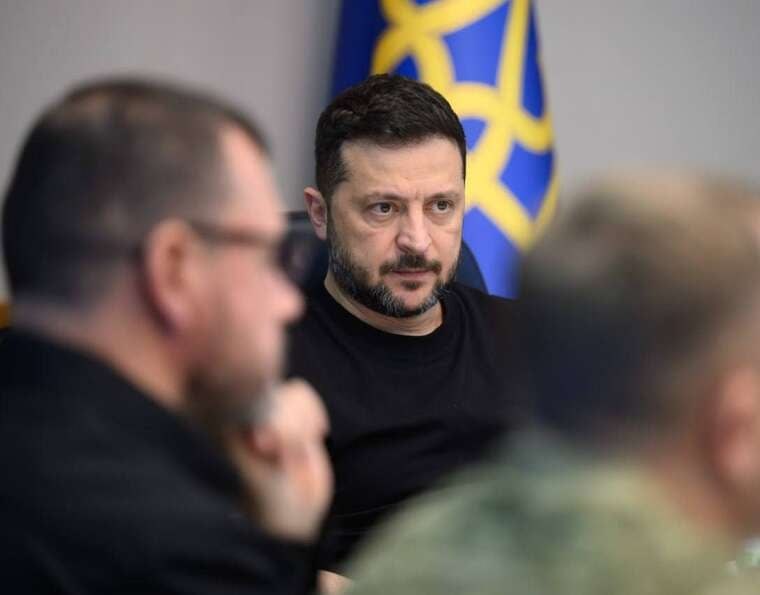
Earlier, an advisor to Ukrainian President Volodymyr Zelensky reported that SpaceX had restricted access to Starshield, which Ukrainian military personnel use to intercept jet-powered UAVs and strike deep into enemy territory.
During the EU summit in Brussels on Friday, Volodymyr Zelensky characterised these restrictions as a "very unwanted and unpleasant surprise". According to the Ukrainian President, signals later came from the White House regarding the possible restoration of functionality. At the same time, he clarified that the previous speed restrictions have not yet been fully lifted, although the process of restoring access is already underway.
White House reaction and explanation of motives
On Friday, Donald Trump stated that he does not consider himself or Elon Musk responsible for Ukraine losing access to Starlink. An anonymous US official, quoted by AFP, also denied that the US President had requested to reduce Starshield capabilities for Ukraine, claiming that no such request had been received.
Earlier, Reuters reported that the decision to impose restrictions may have been made in the White House. The Pentagon has not publicly commented on the reasons for these measures.
According to The Telegraph, Elon Musk may have been concerned about a potential negative reaction from European consumers. One of the publication's sources claims that the entrepreneur publicly shifted responsibility onto the US administration, while both parties participated in the process.
Search for alternatives and international reaction
This is not the first time Elon Musk has been accused of restricting the use of Starlink to Ukraine's detriment. In 2023, he confirmed that he had rejected Kyiv's requests to use the system for drone attacks on Crimea, which Russia illegally annexed. At that time, he explained his decision by his unwillingness to be involved in a "major act of war".
Meanwhile, in early 2026, Ukraine favourably assessed Musk's role in blocking illegal access to Starlink by Russian military forces.
Against the backdrop of recent events, concerns are growing in Europe regarding excessive dependence on Elon Musk and his company SpaceX. Polish Foreign Minister Radosław Sikorski addressed the entrepreneur on social media with a warning: "As your European clients, we are watching you".
The European Union plans to launch its own satellite system, Iris², into operation by 2030, which is intended to become an alternative to Starlink.
According to the publication, European diplomats also advised Volodymyr Zelensky to restrain criticism of Donald Trump, fearing a further reduction in US support for Ukraine.
The US President had previously sharply criticised Ukrainian strikes on Russian oil refineries and linked them to rising energy prices ahead of the mid-term elections in the US.



Comments
No comments yet. Be the first!