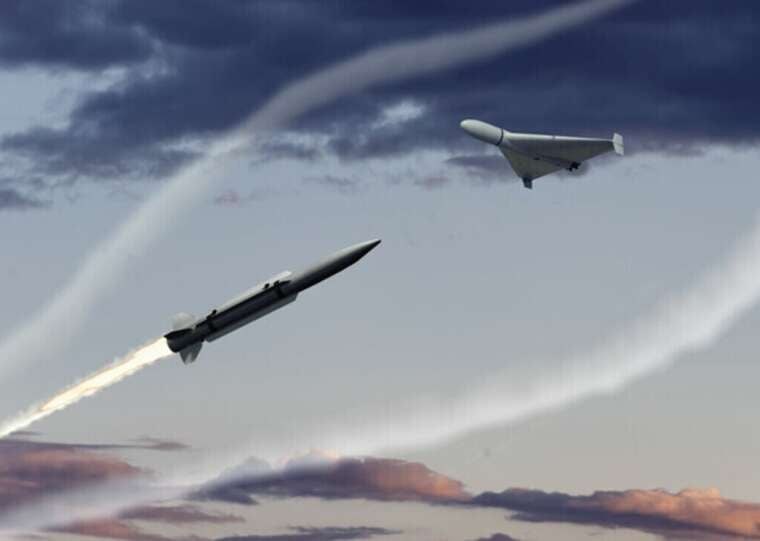
Yuriy Ignat reveals monthly volume of Russian ballistic strikes on Ukraine
Air Force spokesperson clarified that the enemy launches over 300 ballistic missiles monthly, impacting air defence system requirements.
Air Force spokesperson clarified that the enemy launches over 300 ballistic missiles monthly, impacting air defence system requirements.
Searches were carried out at the central offices of the State Customs Service and at the homes of the heads of the Infrastructure Department on suspicion of inflating procurement costs at the Volyn Customs.

Online references to a court case in which a commercial firm attempted to remove 158 aircraft and a runway from state ownership are being deleted. The SBU classified the actions as an attempted act of sabotage.

Woman found guilty of customs rule violation as Kia Sorento crossover, declared as aid to military unit, never reached army's balance.

European Council President António Costa said the EU will cover approximately €46.7bn of Ukraine's additional needs. A decision is expected in November.
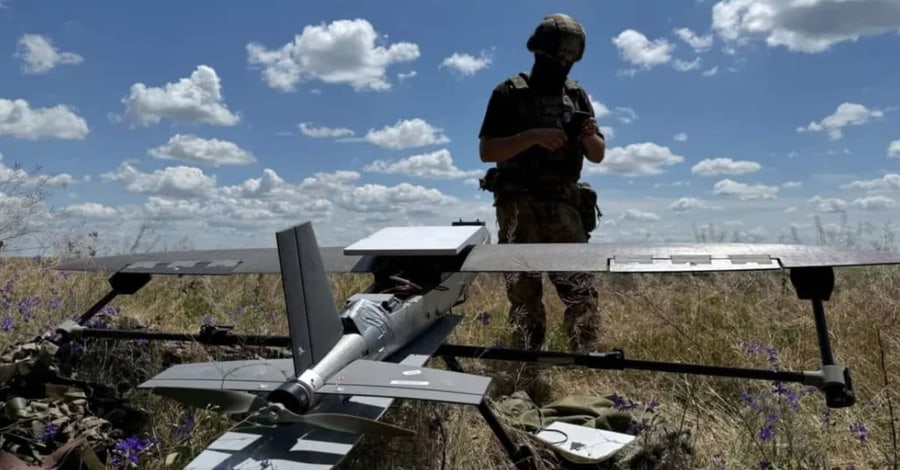
Ukrainian military personnel continue to record loss of connection for satellite terminals at a speed of 161 km/h. The ministry notes that as of the morning of 23 October, there is no official confirmation of the full cancellation of the limits.

Law enforcement uncovered several schemes for the illegal movement of men across the border, costing between $5,000 and $16,000.

Investigation revealed how companies linked to the former deputy minister won tenders from the Ministry of Culture and MPIU, including for the development of The Gaze platform and content production.

The Main Directorate of Intelligence of the Ministry of Defence of Ukraine has published information stating that Russia is preparing a series of new provocations. The main objective of these actions is to destabilise the situation in Europe. According to intelligence assessments, the Kremlin seeks to reduce or completely halt external support for Ukraine. To achieve this, it plans to discredit the Armed Forces of Ukraine, as well as intimidate European governments and the public.
Information on the threats was provided by the Main Directorate of Intelligence of the Ministry of Defence. According to military intelligence data, this concerns the possible implementation of provocative sabotage operations on the territory of Central and Eastern Europe. The Russian side is paying particular attention to the Baltic states.
Moscow's plans consider various scenarios, including the conduct of so-called "false flag" operations. After carrying out such actions, Russia intends to blame Ukraine, using Russian propaganda channels and international platforms accessible to the Kremlin for this purpose.
According to GUR data, potential locations for Russian provocations may include:
Comments
No comments yet. Be the first!