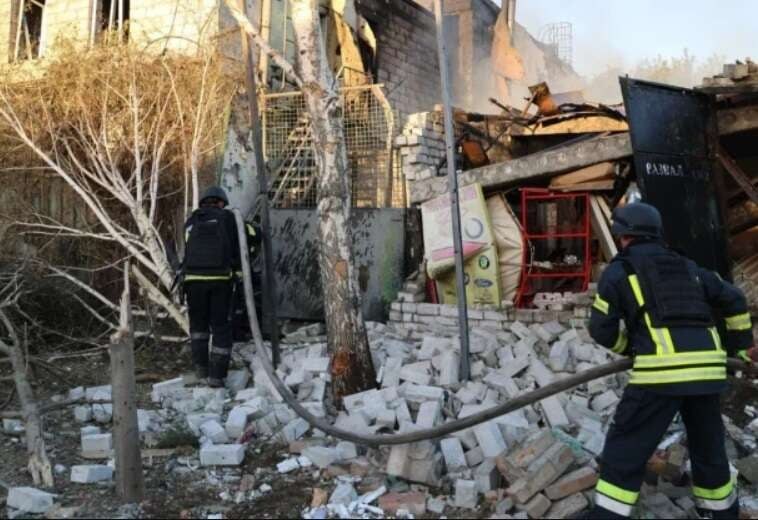
Shostka mayor reports lack of power, water and heating after shelling
Russian strikes and power outages have left parts of Sumy region without basic utilities. The city has introduced a water supply schedule and opened resilience points.
Russian strikes and power outages have left parts of Sumy region without basic utilities. The city has introduced a water supply schedule and opened resilience points.
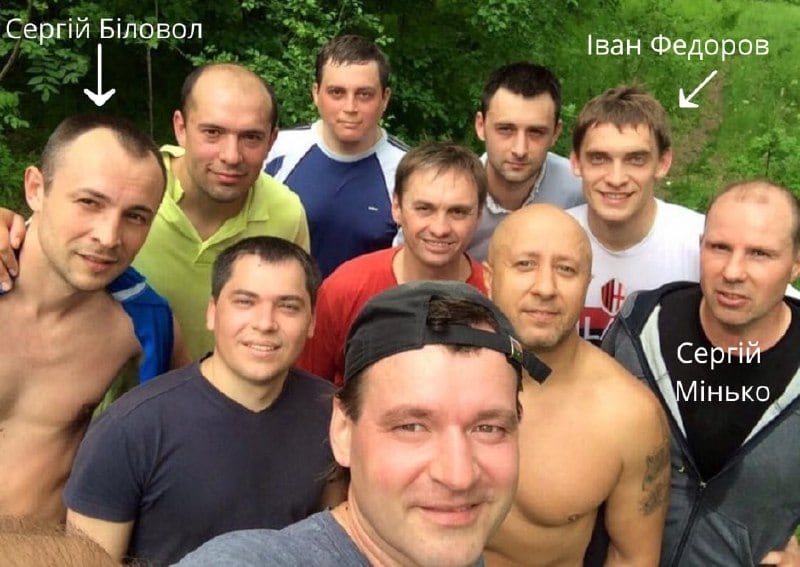
LLC "Kalmius Construction Company" moved to the top of the state procurement rankings after Ivan Fedorov was appointed head of the Recovery Agency.
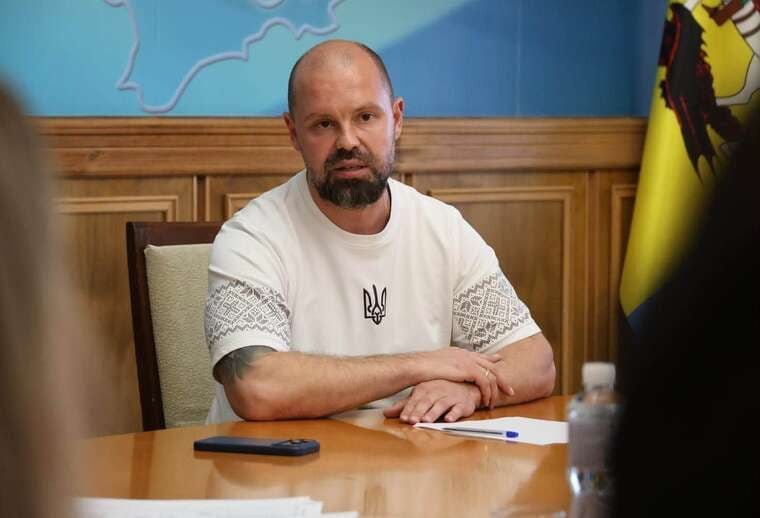
Ruslan Oliynyk explained how Mykola Kalashnyk influenced the conclusion of contracts for protecting energy facilities in Kyiv Oblast and attempted to shift responsibility onto him before his resignation.

A pinned contact number for a Russian telecom provider was found in the account of Nataliia Tokareva, mother of Serhiy Tokarev.

The court approved restrictions on the disposal of five vehicles belonging to one of the suspects in the criminal case regarding unlawful actions involving grain.

Sky News journalist Stephen Murphy reported on eggs being thrown at a vehicle from the official entourage of the Ukrainian leader.

According to the German publication, Russia outlined a list of conditions in unofficial talks, including the handover of Donbas and limits on NATO's military presence in the Baltic.
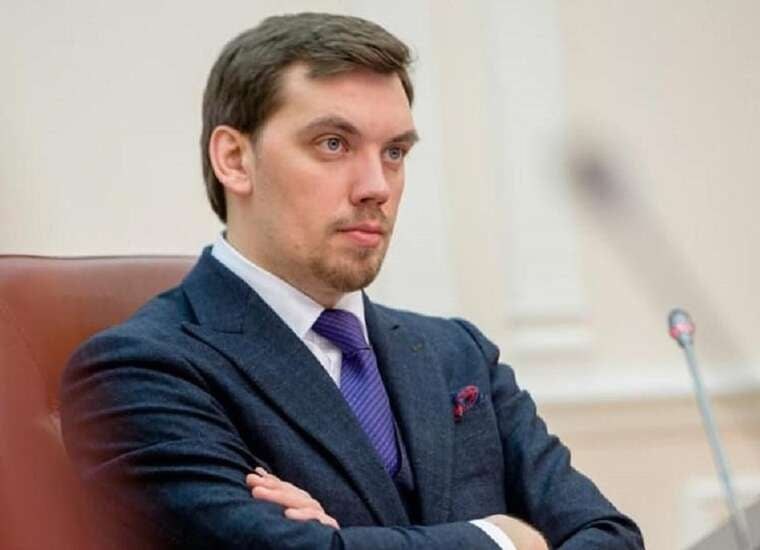
Defence holding producing Magura and Nemesis drones secures significant funding. Ben Wallace and Christopher Cavoli join the company's board of directors.
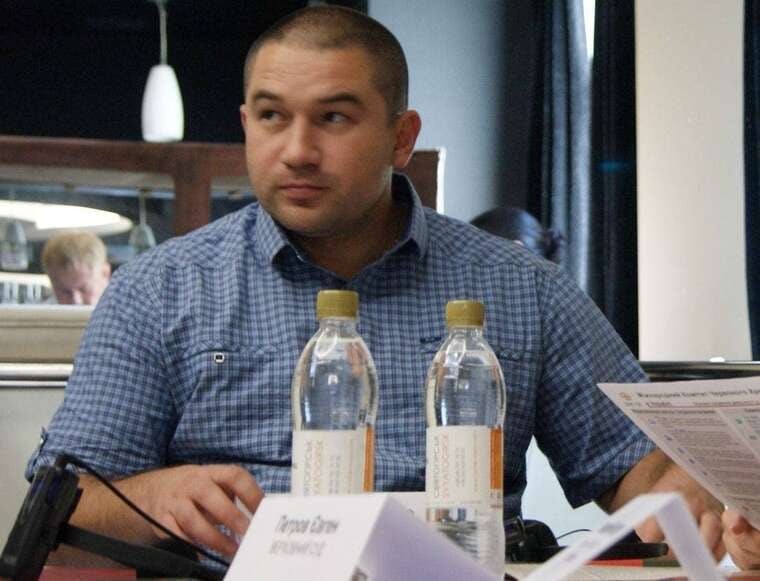
The Public Integrity Council (PIC) concluded that Viktor Ihorovych Kapitonov, a judge of the Selydove City Court in Donetsk region, does not meet integrity criteria. The Council focused on several aspects of his work: an acquittal in a high-profile case linked to the so-called "DNR court system", the mass dismissal of cases for driving under the influence, and the detection of signs of academic plagiarism in a scientific work.
On 12 June 2017, a panel of the Selydove City Court, which included Kapitonov, acquitted a citizen of the Russian Federation under Part 1 of Article 258-3 of the Criminal Code (participation in the activities of a terrorist organisation). The charges concerned the organisational support of the so-called "DNR court system".
The court of first instance found the fact of the existence of a terrorist organisation unproven and deemed the results of covert investigative actions inadmissible. It also noted a violation of the right to defence.
The Donetsk Regional Court of Appeal overturned this verdict on 26 April 2018 and issued a guilty verdict of 12 years' imprisonment. On 10 March 2020, the Supreme Court upheld this decision. The appellate instance explicitly pointed to the incorrect application of substantive and procedural law norms by the court of first instance. In particular, it was noted that a separate court decision is not required to recognise an organisation as terrorist if there are relevant resolutions of the Verkhovna Rada and Supreme Court practice. The admissibility of covert investigative action materials and compliance with the special pre-trial investigation procedure (in absentia) were also emphasised.
The PIC believes that the totality of the errors committed related to key elements of the corpus delicti of a particularly serious crime linked to the activities of occupation structures. Kapitonov explained that at the time he had only six months of judicial experience, the decision was made collegially with more experienced judges, and there was no established practice regarding in absentia cases then. The Disciplinary Chamber of the High Council of Justice refused to open a disciplinary case, and the criminal proceedings under Article 375 of the Criminal Code were closed due to the absence of the elements of a crime. Despite this, the PIC considers these circumstances to go beyond ordinary judicial error and require assessment during an interview.
Between 2016 and 2021, Kapitonov reviewed 281 cases under Article 130 of the Code of Ukraine on Administrative Offences (driving a vehicle while intoxicated). In 79 of them (28.11%), proceedings were closed due to the expiration of the limitation period for imposing sanctions. In many cases, the periods from the commission of the offence exceeded 90–120 days, and from the receipt of the case by the court — 60–100 days or more. The PIC believes this indicates insufficient measures to ensure reasonable timeframes for review and may be perceived as facilitating the evasion of responsibility by offenders.
Kapitonov defended a dissertation for the degree of Doctor of Philosophy on the topic "Criminal liability for illegal interference with the operation of an automated court document management system". The defence took place on 15 August 2024 at the Dnipro State University of Internal Affairs.
The PIC identified 8 fragments of academic plagiarism and 5 falsifications. A significant part of the introduction (relevance, aim, objectives, object, subject, methods, empirical base) verbatim or nearly verbatim repeats the text of Iryna Dvornikova's dissertation (2024) on "leaving in danger" (Art. 135 of the Criminal Code) with mechanical replacement of terms with Art. 376-1 of the Criminal Code. Borrowings from an article by Yu. Belsky (2014) and from the text of a court verdict were also detected. 82 sources out of 155 (53%) in the bibliography are not mentioned in the text of the dissertation. Formal sections (link with scientific programmes, research topic number) completely coincide with another dissertation defended at the same institution a few months earlier. The PIC qualifies this as systematic plagiarism and signs of a "dissertation factory".
Additionally, the Council drew attention to the use since March 2022 of a house in Svitlovodsk (Kirovohrad region), owned by an acquaintance of Kapitonov's sister. It was also noted that in his 2018 questionnaire, he listed a colleague-judge as a person who could provide a recommendation, although this judge had reviewed cases based on claims by Kapitonov's father.
The PIC recommends that the High Qualification Commission of Judges take these circumstances into account when evaluating the candidate.
Comments
No comments yet. Be the first!