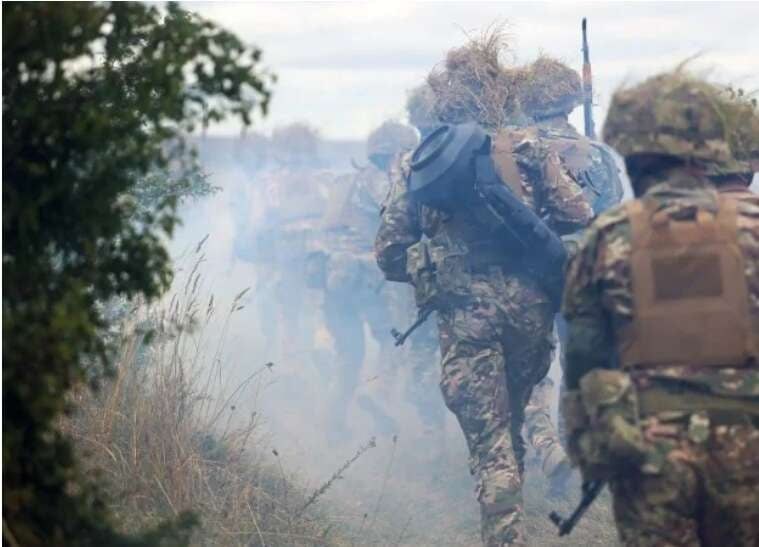
Europe considers deploying peacekeeping forces in Ukraine after ceasefire
According to The Guardian, European countries are discussing the creation of deterrent forces to protect Ukraine that would not rely on American technology.
According to The Guardian, European countries are discussing the creation of deterrent forces to protect Ukraine that would not rely on American technology.
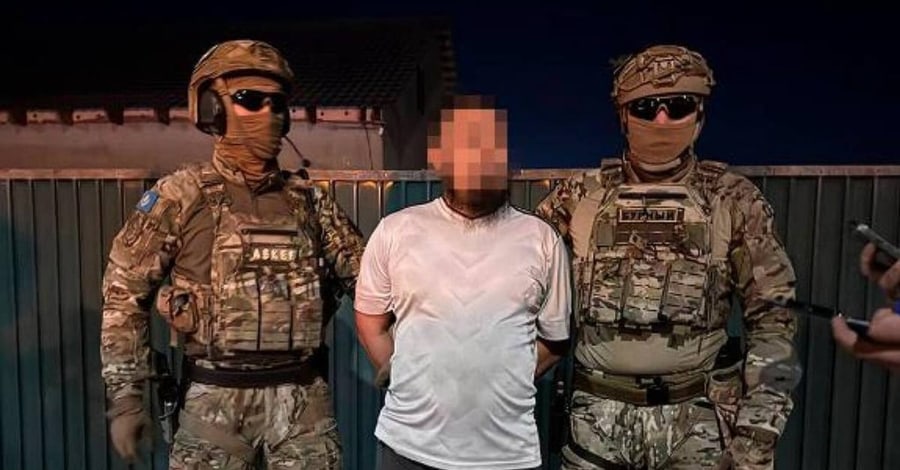
Kazakhstan's Committee for National Security announced a special operation in Atyrau, where a group of suspects in establishing an extremist organisation and planning a change of power by force was detained.
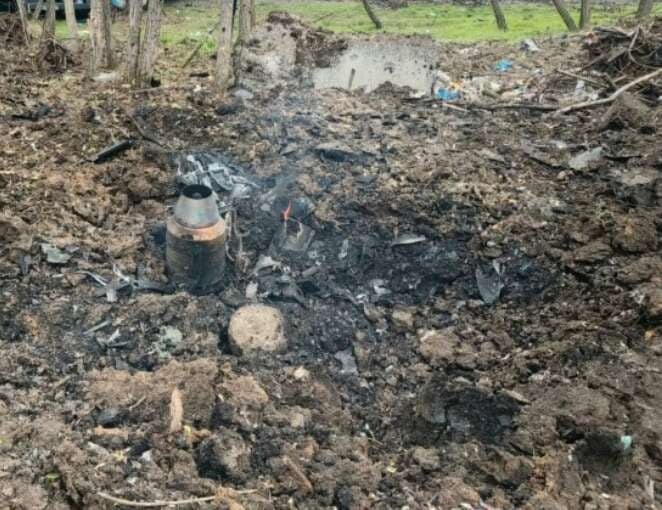
The Odesa Regional Military Administration reported the consequences of the morning drone attack on 3 November.
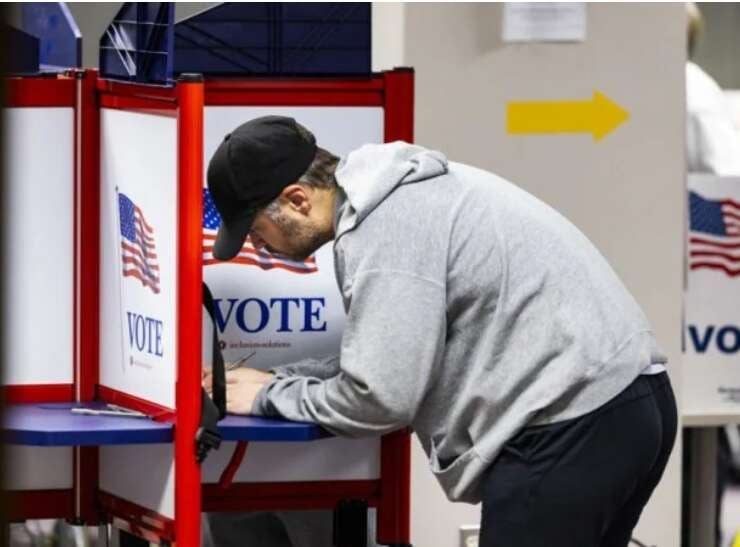
On 3 November, Americans will determine who retains control of the legislative branch. Republicans face the risk of losing their majority amid legal disputes over the organisation of the process.
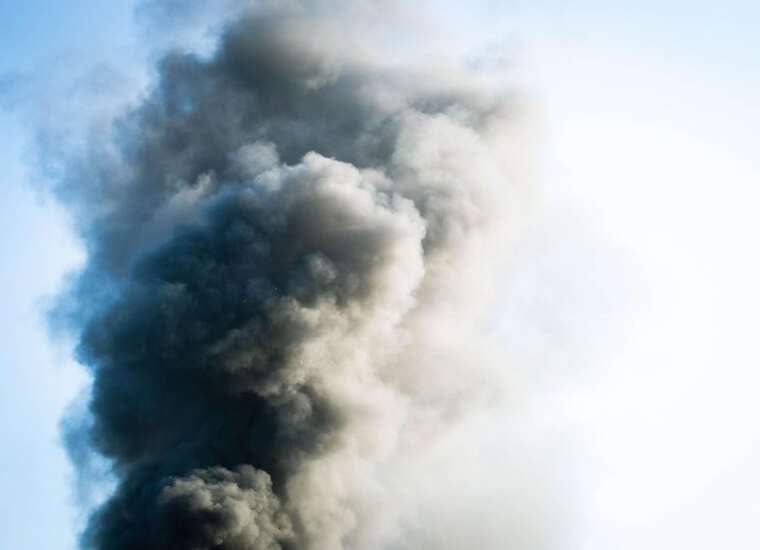
Three DTEK power plants were knocked out by Russian missile and drone strikes. Emergency power outages have been introduced in Kyiv and two regions.
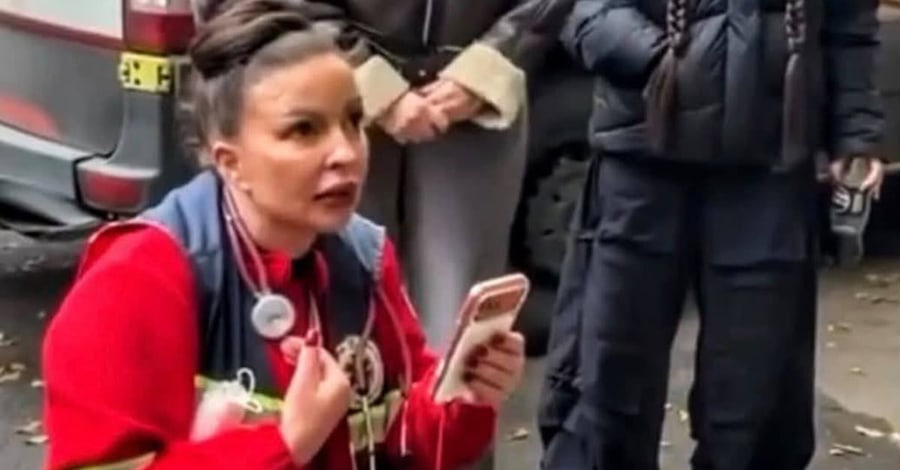
The woman who claimed to be the clinic owner and called the police during clashes in Kyiv Oblast has several companies in the medical sector and a court history.
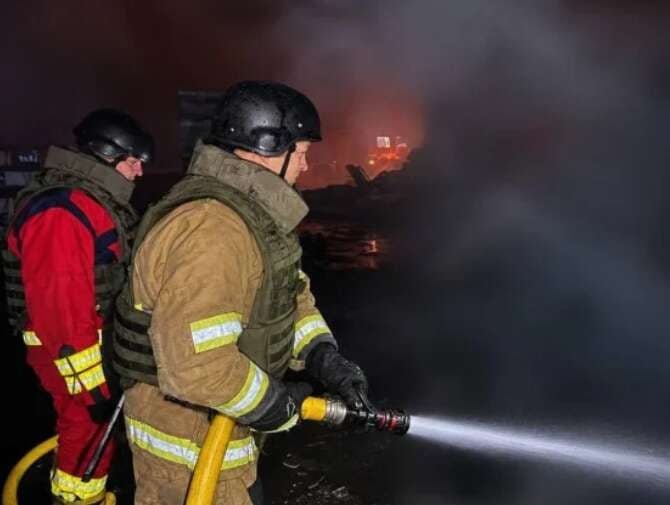
Ukraine's Prime Minister reported damage to a station, carriages and locomotives following a night attack.
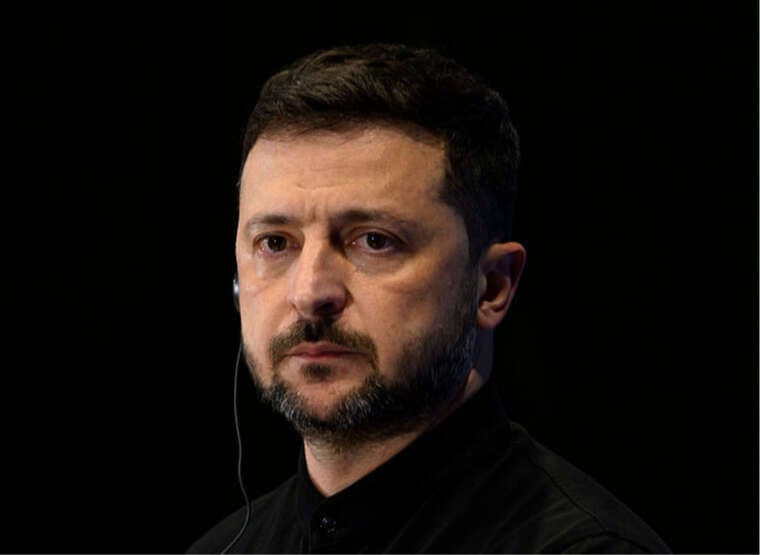
The President of Ukraine reported the launch of 17 ballistic missiles aimed at energy infrastructure facilities in nine regions of the country.
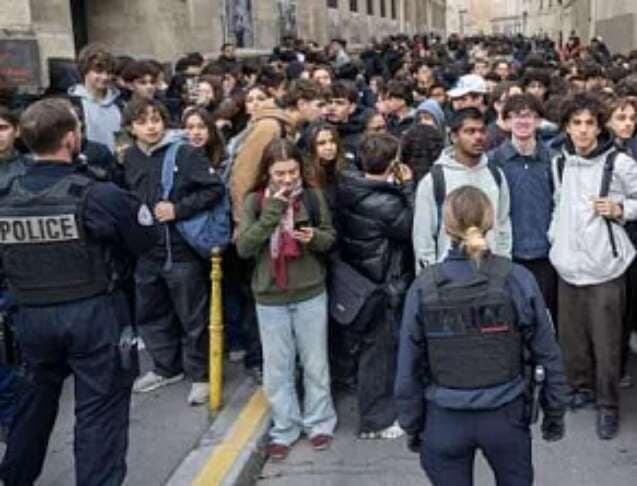
The National Union of French Students (UNEF) has issued a call for a new wave of protest actions scheduled for 3 and 5 November. The organisation recommends that students hold general assemblies, block university campuses, and participate in mass street demonstrations.
In an official statement, UNEF noted: «3 листопада оголошуємо чорний день в університетах: приходьте на загальні збори та блокуйте свої виші» (We declare 3 November a black day in universities: come to general assemblies and block your universities).
These measures are a continuation of the activation of the youth protest movement. On 2 November, senior high school students had already resumed blocking lycées in several major cities, including Paris, Marseille, and Lyon.
In addition, French trade unions have declared a nationwide strike for 5 November, calling on student youth to join these actions. Youth associations are demanding the allocation of €10bn for the development of school and higher education.
The current protest movement dates back to mid-September, when demonstrations by senior high school students began in the suburbs of Paris. Initially, participants demanded improvements to the condition of schools, but later broader sections of the population, dissatisfied with rising prices, joined them. The protests spread to other regions of the country.
The largest event was the nationwide demonstration on 17 October. According to the French Ministry of the Interior, approximately 550,000 people took part in it. During these protests, law enforcement officers used tear gas, sound grenades, and water cannons.
Comments
No comments yet. Be the first!