
Washington and Ottawa accelerate talks on scrapping steel and car tariffs
US and Canadian trade ministers are in regular contact following a phone call between the countries' leaders, although an official deal has not yet been reached.
US and Canadian trade ministers are in regular contact following a phone call between the countries' leaders, although an official deal has not yet been reached.
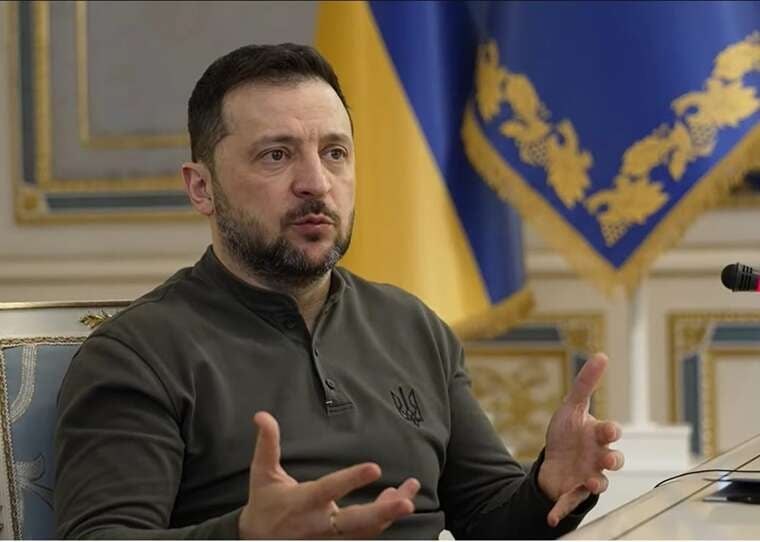
President reveals details of air defence shortage, explaining that annual US aid volume is insufficient to repel monthly ballistic attacks.
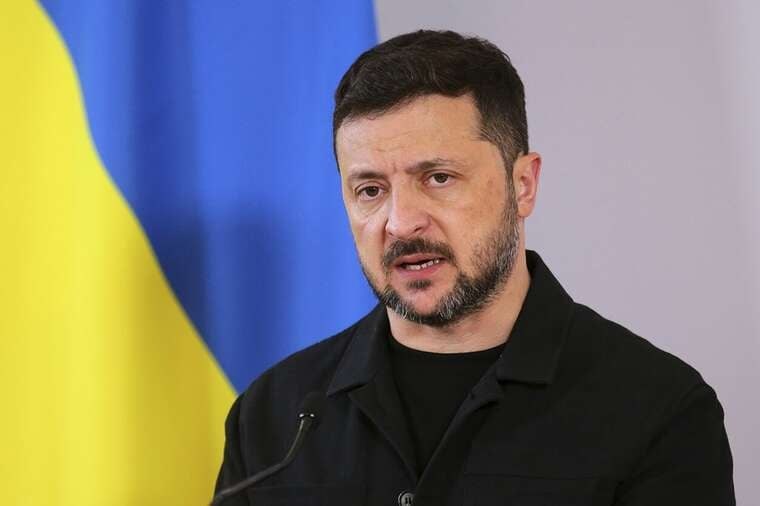
President Volodymyr Zelensky commented on the capital's mayor's reaction to initiatives aimed at strengthening city infrastructure, noting that it is perceived as an intention to replace him.
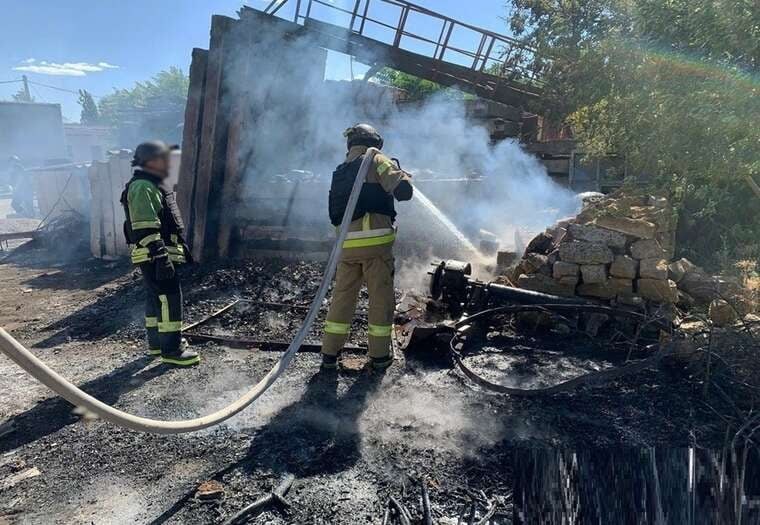
Head of Donetsk OVA Vadym Filashkin released data on casualties from Russian strikes over the past 24 hours.
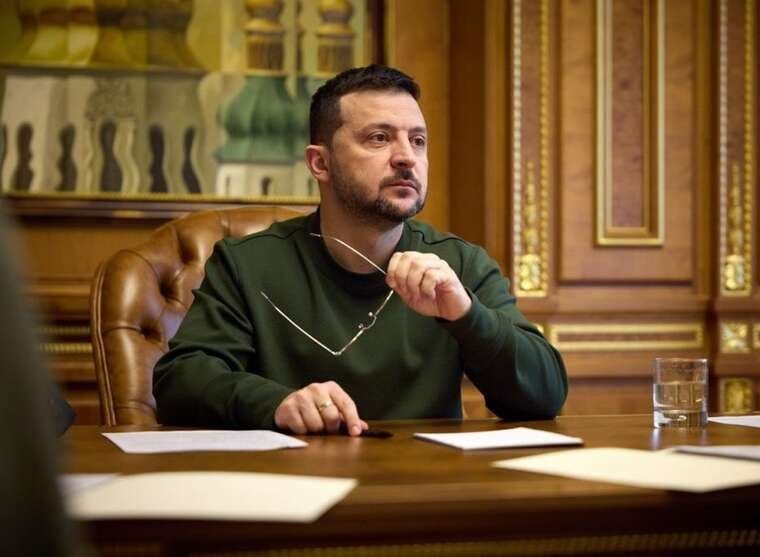
Ukrainian president details Washington's initiatives on demilitarised zones and the Zaporizhzhia NPP, noting that none have yielded results.

Oleh Syniehubov reported a massive shelling of Kharkiv and 20 settlements in the region. The enemy used a missile, aerial bombs, and approximately 160 drones, resulting in damage to housing and utility facilities.

European Energy Commissioner Dan Jørgensen warned that rising fuel prices and reliance on imports could make the coming winter exceptionally difficult for many residents of the Old Continent.

City transport in Zaporizhzhia came under attack by a Russian drone in the evening. The aircraft became entangled in an anti-drone net and detonated.
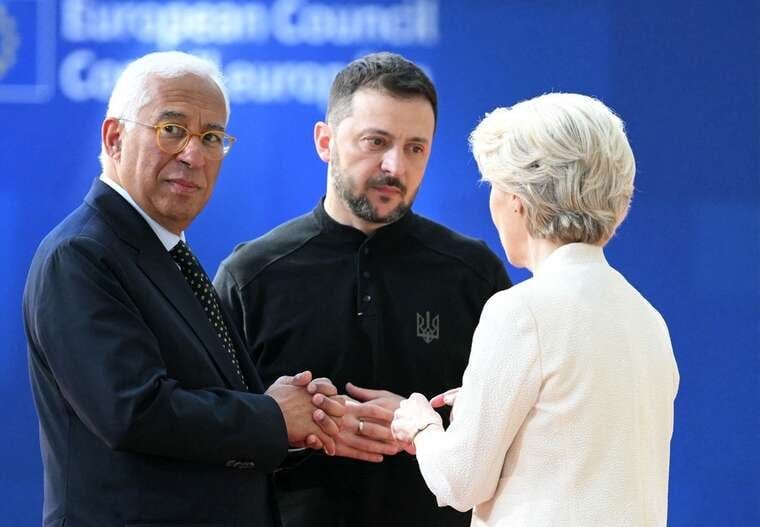
The European Commission is attempting to extract additional funds from partners in the “Group of Seven” (G7) to cover Ukraine’s budget deficit. According to Brussels estimates, Kyiv will be short by €70bn by the end of next year. This figure accounts for military expenditure following the delivery of the last weapons allocated during Joe Biden’s presidency. The current leader of the White House, Donald Trump, has completely halted direct funding of the Ukrainian government.
Analytics published by the Financial Times indicate a reduction in aid volumes from countries outside the EU. According to European Commission forecasts, allies that are not members of the bloc have currently pledged to allocate only €4bn for 2027. For comparison, this figure was €19bn in 2026.
«Згідно з прогнозом Європейської комісії, союзники України, які не входять до ЄС, наразі пообіцяли виділити лише 4 млрд євро на наступний рік, що значно менше за 19 млрд євро у 2026 році. Як випливає з аналізу, держави G7 – США, Велика Британія, Канада та Японія – сукупно планують надати усього 1 млрд євро» (According to the European Commission’s forecast, Ukraine’s allies that are not EU members have currently pledged to allocate only €4bn for next year, which is significantly less than the €19bn in 2026. As the analysis shows, G7 states – the US, the UK, Canada and Japan – collectively plan to provide just €1bn).
The EU has begun emergency planning to find additional funds to maintain Ukraine’s financial stability in 2027 – in case NATO and G7 partners do not increase aid volumes. Commission officials are examining various mechanisms, including a joint issuance of debt obligations, which will be put to discussion at the summit at the end of November.
In parallel, Brussels is conducting active bilateral negotiations with London and Ottawa. European diplomats are awaiting the publication of the UK and Canadian budgets for 2027, hoping to see new commitments to support Kyiv there.
Meanwhile, in Brussels, the possibility of covering the entire deficit independently is categorically rejected. A European Commission spokesperson emphasised that the EU and its member states already account for 80% of all pledged aid to Ukraine for 2027.
«Європа не може самостійно задовольнити фінансові потреби України... Міжнародні партнери також повинні долучитися, зокрема й союзники по НАТО» (Europe cannot independently meet Ukraine’s financial needs... International partners must also join in, including NATO allies), he stressed.
The reaction of partners outside the EU remains uncertain. A spokesperson for the Canadian Department of Finance reminded that Ottawa has taken on commitments for aid to Ukraine totalling CAD 27bn since the start of Russia’s full-scale invasion in 2022. Regarding future payments, he replied:
«Я не робитиму припущень щодо того, що може, а що не може увійти до бюджету наступного тижня» (I will not make assumptions about what may or may not be included in next week’s budget), he said.
The Japanese Ministry of Foreign Affairs did not agree with the European Commission’s conclusions. Tokyo emphasised that the government “cannot make any final statements regarding the possibility of future financial support for Ukraine”.
«Однак Японія розглядає варіанти задоволення фінансових потреб України з огляду на подальший розвиток подій... зокрема й під час консультацій між державами-членами G7» (However, Japan is considering options to meet Ukraine’s financial needs in light of further developments... including during consultations among G7 member states), a Japanese MFA spokesperson stated.
In addition to the budget deficit, allies are noting a gap in military aid as well. According to European Commission estimates, 32 NATO states are short by €13bn in fulfilling this year’s pledge to provide Kyiv with €70bn in defence support.
Comments
No comments yet. Be the first!