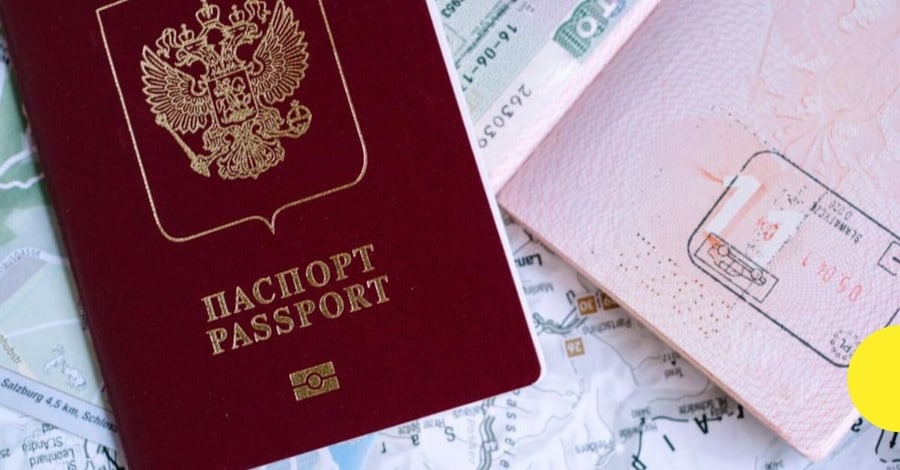
The European Commission is actively preparing proposals to strengthen visa rules for Russian citizens. In Brussels, officials seek to reduce security risks for EU countries amid fears of potential sabotage, arson, and other hybrid operations linked to Moscow.
According to Politico, the relevant proposals are planned to be presented at the beginning of next year. Poland, Sweden, and Estonia, among others, are calling for tightened controls on the entry of Russian citizens. Particular attention is proposed to be paid to former Russian military personnel who participated in the war against Ukraine.
Why the EU wants to tighten controls
Last year, Russian citizens received approximately 478,000 tourist visas for the Schengen Area. A significant portion of these were multiple-entry visas, allowing holders to enter and leave Schengen countries repeatedly.
Swedish Justice Minister Gunnar Strömmer believes that the current system has vulnerabilities that could be exploited by Europe's adversaries. In his view, given concerns about sabotage, arson, and other hybrid operations, controls need to be strengthened.
According to Strömmer, the European Commission plans to publish the proposals in January. Meanwhile, Sweden would like this to happen sooner. The minister also welcomed the growing support for a stricter visa regime among European countries.
Estonia proposes restricting entry for former Russian military
Individual EU countries plan to raise the issue of visa restrictions at a meeting of the EU Council on Foreign Affairs. They also intend to discuss the possibility of introducing additional restrictions for Russian diplomats.
Estonia advocates for a ban on entry to the European Union for former Russian army servicemen. The country's Foreign Minister Margus Tsahkna stated that this potentially concerns approximately 650,000 former combatants.
In his words, restrictions could be applied to specific individuals, however, for more effective protection, the EU needs a coordinated approach at the level of the entire bloc.
Tsahkna assumes that some former Russian military personnel may come to Europe with the support of Russian intelligence services and pose a security threat. He also expressed concerns about their possible involvement in organised crime and terrorist attacks.
European countries are increasingly warning about the risks of Russian sabotage, cyberattacks, and provocations. NATO states that Moscow is testing allies' security and may continue its campaign of hostile actions.
Meanwhile, the European Commission's proposals have yet to be published. Currently, it concerns the preparation of possible changes, rather than an already adopted general ban on the entry of Russian citizens to the EU.
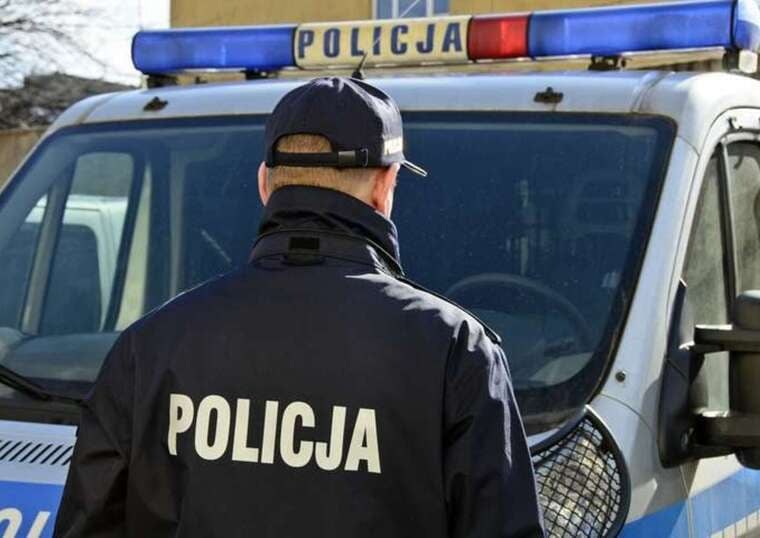
Recall that Polish police received information about the possible planning of the assassination of Prime Minister Donald Tusk and Defence Minister Władysław Kosiniak-Kamysz.


Comments
No comments yet. Be the first!