
Europe welcomes US plan for Ukraine's security but questions its cost
Some European partners view Washington's proposal as a sign of support, yet fear the excessive price of such a deal.
Some European partners view Washington's proposal as a sign of support, yet fear the excessive price of such a deal.

Acting head of the Zaporizhzhia Regional Military Administration Mykhailo Semikin reported on the aftermath of a Russian FPV drone attack on a vehicle in the Shevchenkivskyi district.
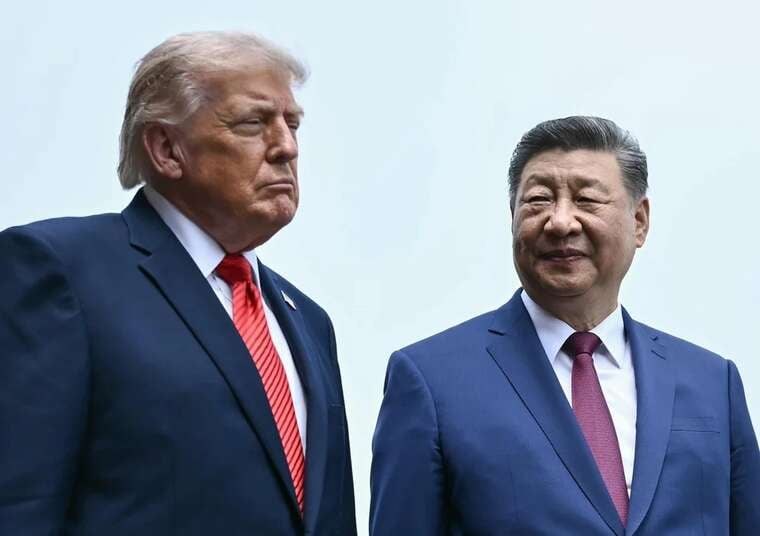
According to the Lowy Institute, the war with Iran and Washington's unilateral policies have significantly reduced the American advantage over Beijing.
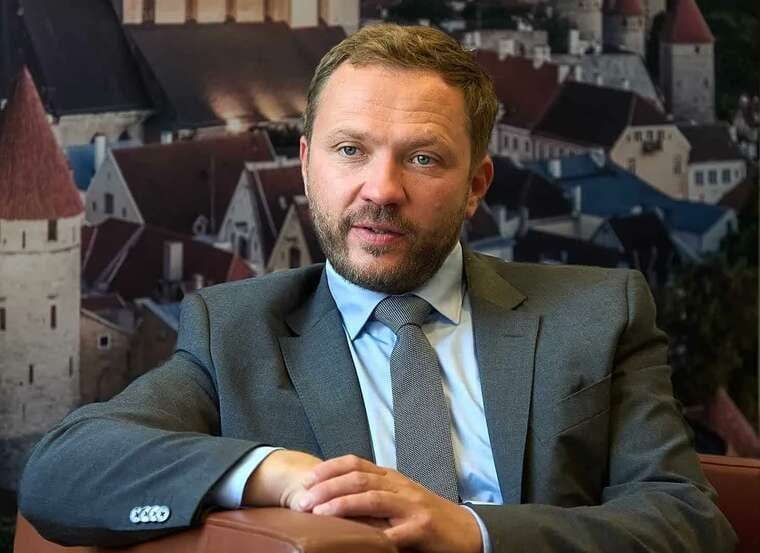
Margus Tsahkna assured that Estonia had not granted permission for the use of its airspace or waters for military operations.

The researcher emphasises that regular face-to-face interaction helps combat stress and depression, while also promoting physical recovery.

Lawmakers demand explanations for satellite communication disruptions for Ukraine, threatening to halt funding for specific state projects of the company.
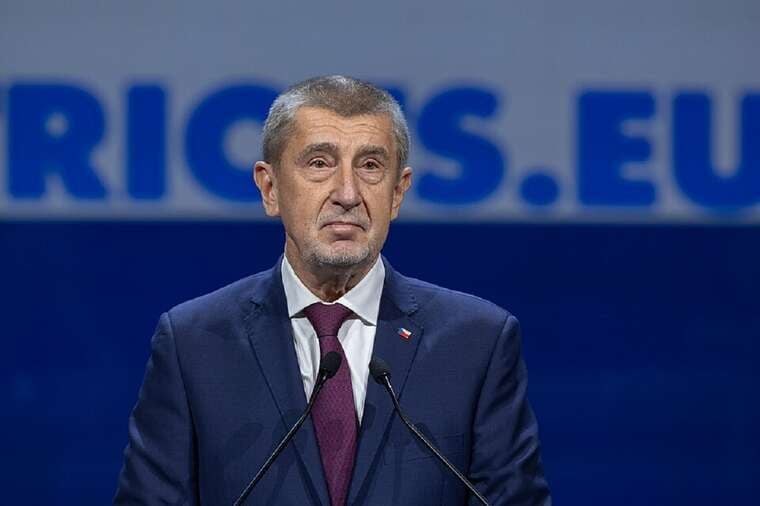
Czech Prime Minister calls new EU financial plan unacceptable, as it reduces funds for Prague and allocates €100bn to Kyiv from the European budget.
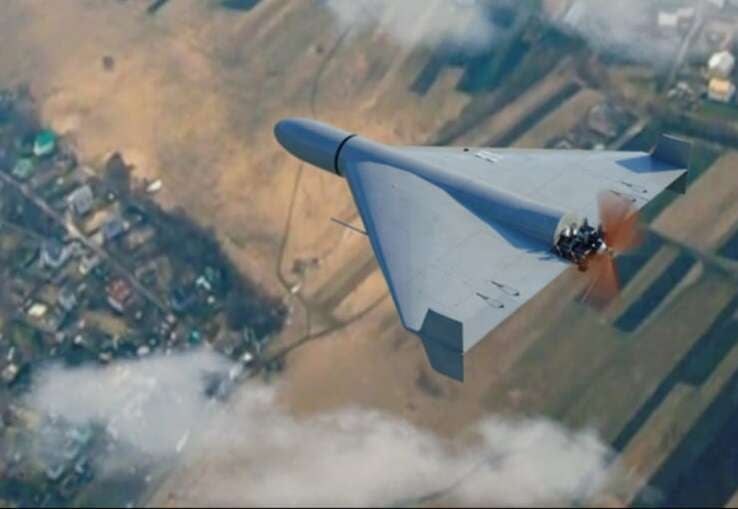
UAF reported a threat of strike UAVs to the capital, while one explosion was heard in Poltava.
The Czech government considers the multiannual budget model proposed by the Irish presidency unacceptable, particularly due to the multi-billion euro aid to Ukraine envisaged in it. This was stated by Czech Prime Minister Andrej Babis.
In addition to objections regarding the financing of Kyiv, the head of the Czech government expressed dissatisfaction with the planned reduction in funding for Czechia itself, as well as with the costs of maintaining European institutions.
On 21 November, European Council President António Costa presented updated frameworks for negotiations on the EU budget for 2028–2034. Under these frameworks, total funding is to be reduced by €204bn compared to the initial European Commission draft, which a number of countries consider too burdensome.
Meanwhile, Babis does not support the budget reduction of €32bn proposed by the Irish presidency. “This is absolutely unacceptable for us,” the Prime Minister emphasised.
According to him, Czechia is gradually increasing its contributions to the joint budget. However, the new proposal envisages a reduction in the country's funding by CZK 7.5bn.
The Prime Minister also expressed anger at the amount of funds planned for the maintenance of European institutions. In his estimate, €100bn has been allocated over seven years for the European Parliament, the European Commission, and officials.
Separately, Babis opposed allocating €100bn to Ukraine from the EU budget.
“Why should we give Ukraine money from the European budget? Ukraine should receive money outside the European budget,” the head of the Czech government stated.
António Costa, who represents the 27 EU member states, is trying to reach a compromise on the budget by the end of the year. This involves agreeing on state contributions and finding new sources of revenue to finance common needs.
Costa's latest budget proposal was also criticised by German Chancellor Friedrich Merz, although his views differ from Babis's position. Unlike Czechia, Germany is a net donor to the EU budget. Merz believes that the total size of the budget needs to be reduced, while ensuring stable multiannual financial support for Ukraine.
Comments
No comments yet. Be the first!