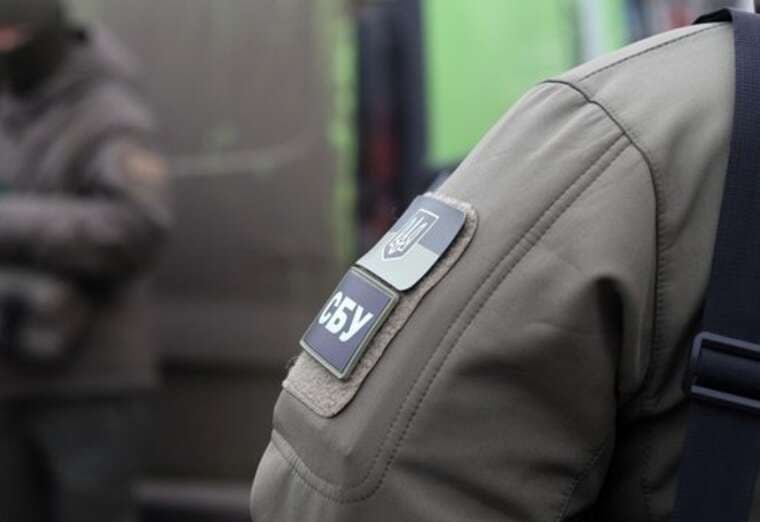
Only one of three SBU senior officials retained post after NABU searches in 'Carthage' case
NABU and SAP detectives conducted searches at the offices of three senior SBU officials. Only Oleksandr Kovalchuk remains in his position.
NABU and SAP detectives conducted searches at the offices of three senior SBU officials. Only Oleksandr Kovalchuk remains in his position.
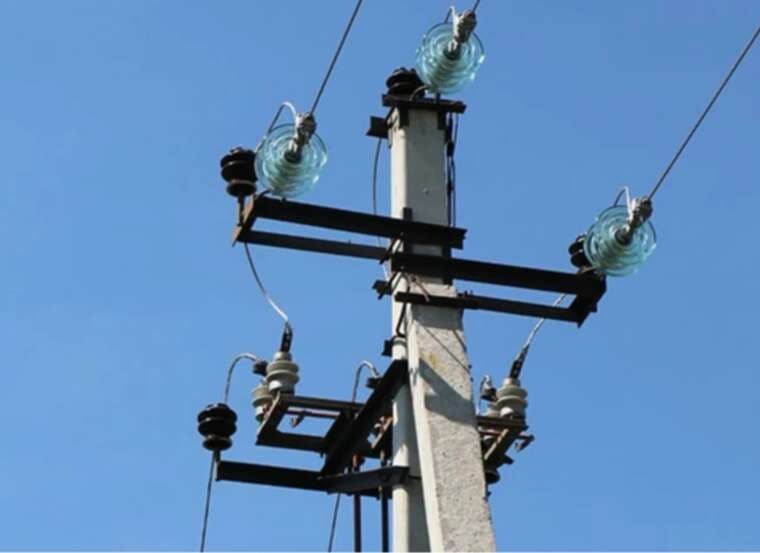
Russia carried out a massive attack on energy infrastructure in the night leading up to 13 November. Three people were killed and 22 injured as a result of the strikes.
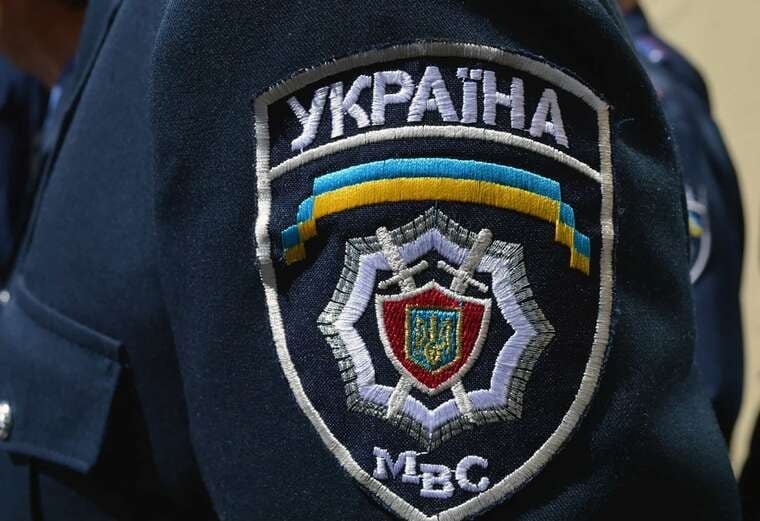
The Prime Minister and the Minister of Internal Affairs announced the first suspensions and accountability measures for law enforcement representatives during the question hour in the Verkhovna Rada.
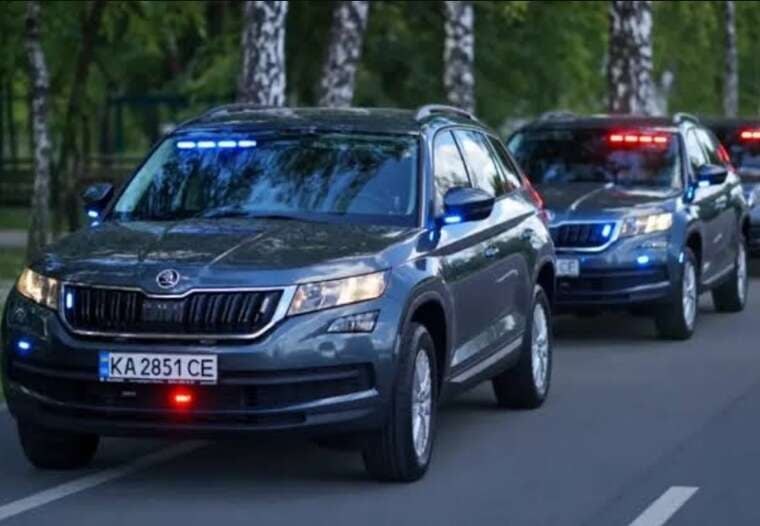
Ivan Vyhovskyy announced that the mobile speed violation detection project, currently operating in Kyiv, will be implemented in other regions of the country.
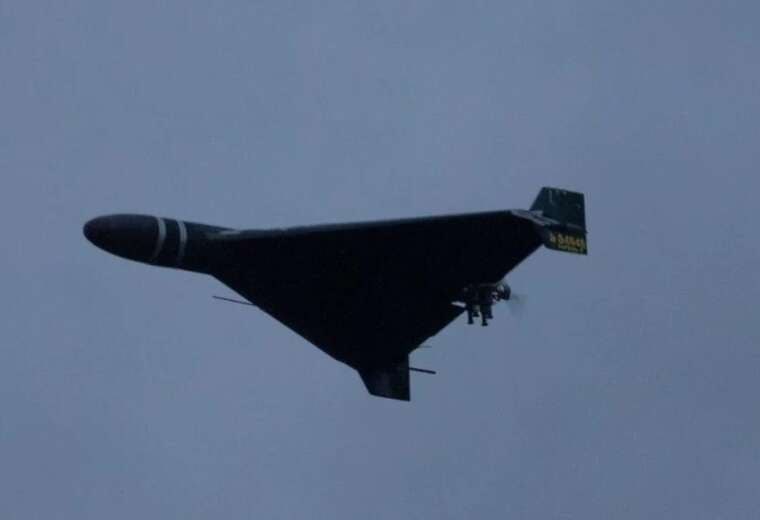
Local media shared footage showing air defence systems destroying a strike drone over the city.
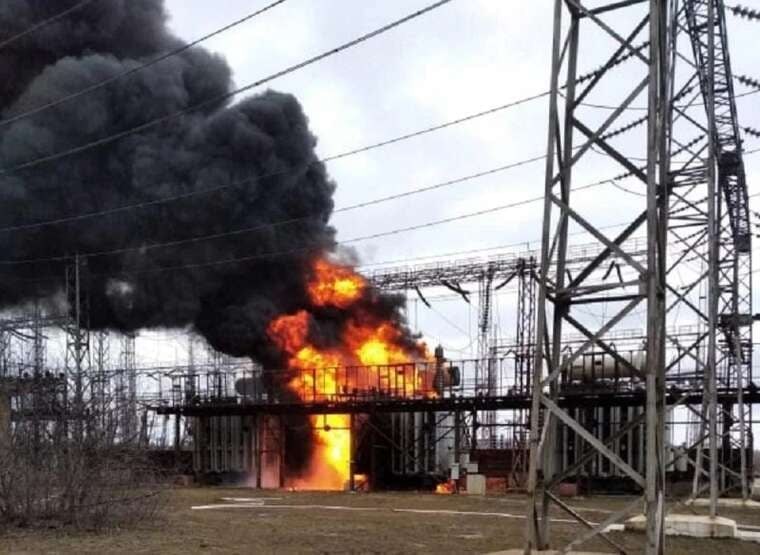
Russian troops struck infrastructure in Khmelnytskyi, Rivne, Zhytomyr, Kyiv, Mykolaiv and Odesa regions.
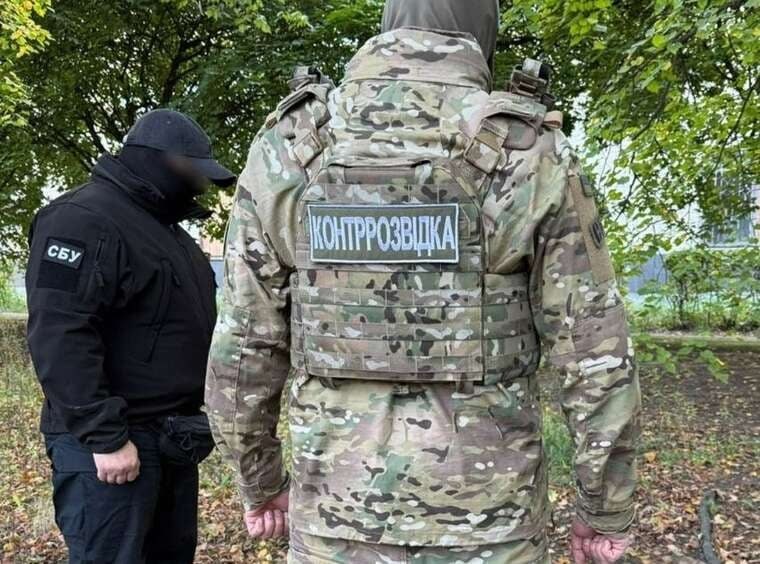
Counterintelligence prevented the further transfer of data on military and civilian facilities in the capital to Russian handlers.
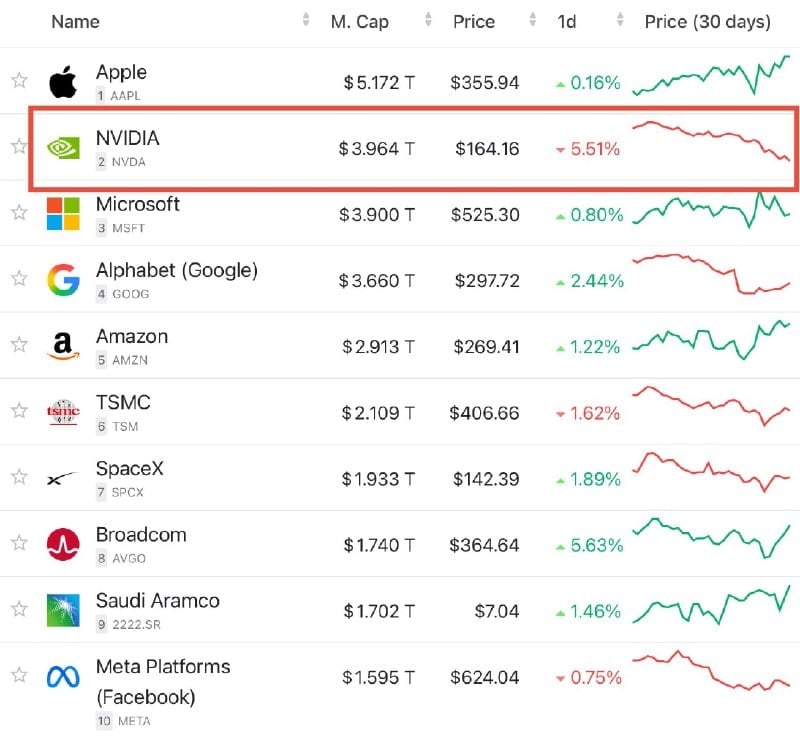
Shares of the tech giant reached their lowest level since summer 2025, while Apple and Microsoft overtook NVIDIA in market capitalisation.
Against the backdrop of statements from the US and Ukraine on the need to involve Europe in the negotiation process with Russia, a heated debate has emerged among European leaders over who exactly should represent the continent's interests. As Politico notes, these disagreements are already "clouding" the EU leaders' summit in Dublin, which was not initially planned as a meeting on Ukraine. The Prime Minister of Estonia even joked that "a separate reality show could be made about this".
The European bloc has divided into at least three camps. The first advocates for the President of the European Council, António Costa, to become the negotiator. The second camp, which includes France and Germany, is not ready to cede its place at the negotiating table to Brussels. The third, "least numerous", supports the head of European diplomacy, Kaja Kallas, however, her hardline stance on Russia could alienate the Kremlin and make her a problematic candidate.
German Chancellor Friedrich Merz has effectively expressed opposition to the idea of appointing a single negotiator. In his words, a "proven format" involving Germany, France, and the United Kingdom already exists. Moreover, representatives of five countries — Germany, France, the United Kingdom, Italy, and Poland — are jointly working on the Ukrainian issue, and he does not see the need to change this mechanism.
Paris also has no intention of transferring its powers to Brussels, given its own diplomatic and military weight (recall that Macron directly offered himself as a negotiator on the eve).
Italian Prime Minister Giorgia Meloni is actively promoting the idea of appointing a single representative of Europe who will speak with "one authoritative voice". She demanded that a decision be made by Friday in Dublin, and officially confirmed in December with the participation of European partners outside the EU — the United Kingdom and Norway, AP reports.
"Too many different groups are discussing this issue," Meloni said, referring to the recent contacts between the leaders of Finland and Norway with Putin. According to the publication, Alexander Stubb is also being considered as one of the possible candidates.
The Prime Minister of Ireland emphasised that "Europe must speak from a single position at the negotiating table", including the United Kingdom, Norway, Canada, and other countries that are not part of the EU.
It should be noted that the main outcome of the meetings in Abu Dhabi so far has been the Europeans' agreement to join the negotiations on Ukraine. In their official statements, European leaders have already effectively confirmed their readiness to participate in this process.
Comments
No comments yet. Be the first!