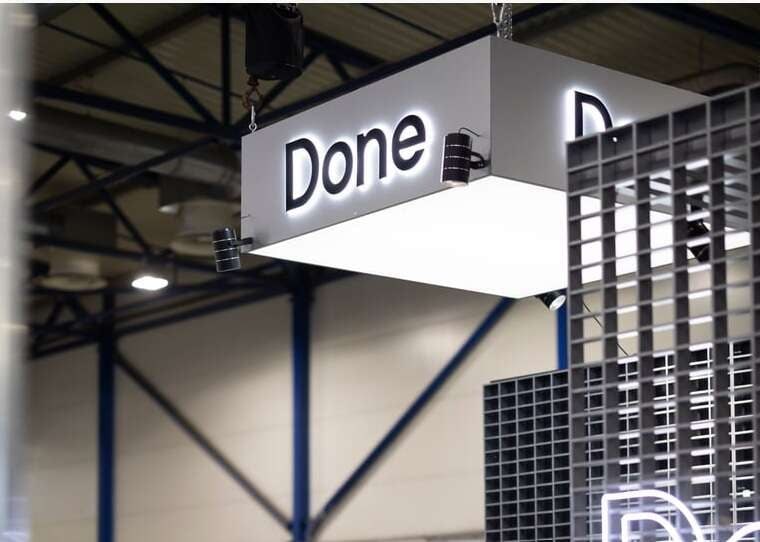
Done's Schemes: How Ukrainian Hryvnia Turns into Swiss Francs via Importers
Investigation reveals a network of companies where funds are collected in Ukraine, converted into foreign currency, and transferred to Swiss Done Switzerland AG.
Investigation reveals a network of companies where funds are collected in Ukraine, converted into foreign currency, and transferred to Swiss Done Switzerland AG.

Taras Vysotsky stated that alternative logistics corridors provide only 45% of the required volumes, threatening the loss of a significant portion of the harvest.
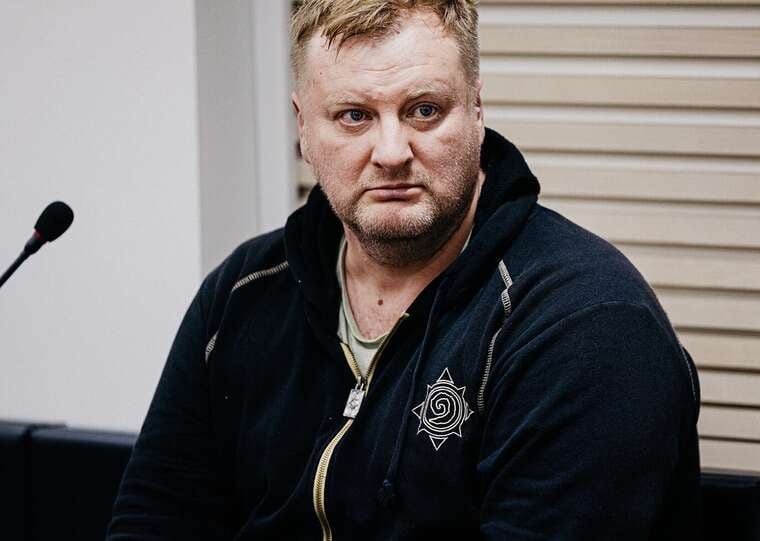
Lead State Prosecutor Taavi Pern confirmed that the activist was aware of the criminal liability for his actions, having contacted individuals who already had convictions for similar offences.
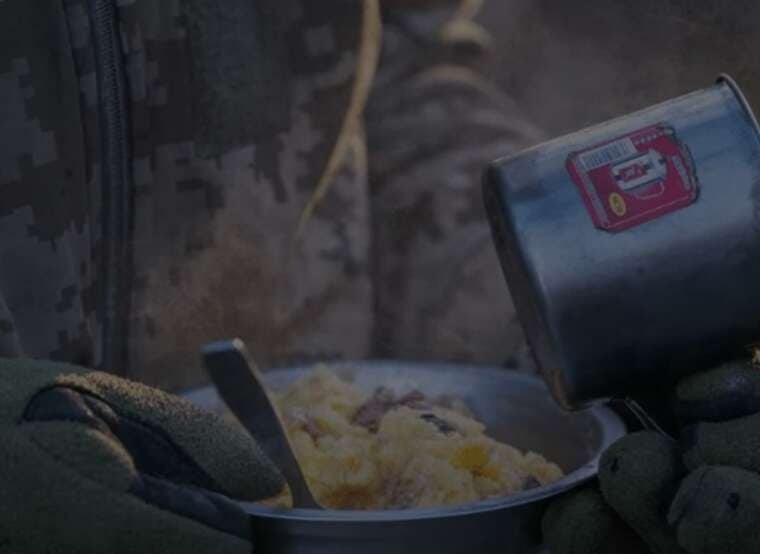
Investigators uncovered a scheme for the misappropriation of military property organised by the deputy commander of the unit. The process was later overseen by an SBU counter-intelligence officer assigned to the unit.
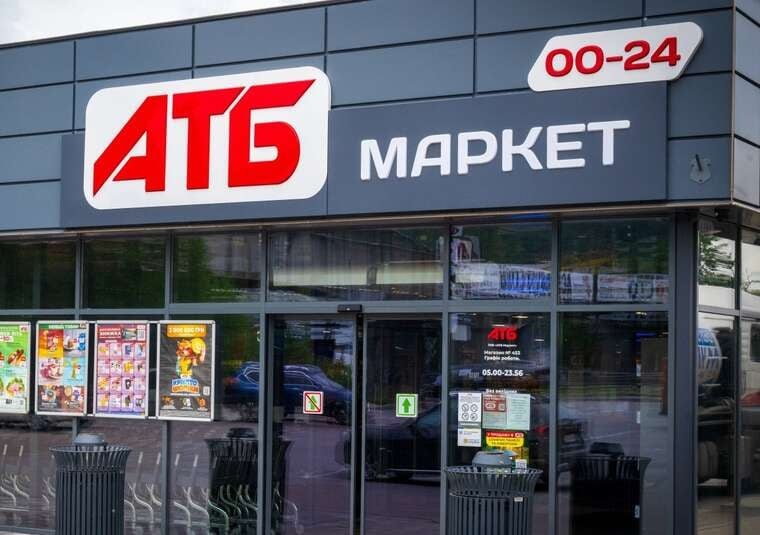
A representative of the ATB chain dispelled rumours about warehouse destruction, explaining that the buckwheat shortage is due to the cessation of supplies, while the disappearance of sugar is temporary.

European experts warn that restrictions on US diesel exports could become a trigger for a historic rise in prices on the continent.

Shevchenkivskyi District Court of Kyiv found two former prosecutors not guilty of demanding $150,000 to close a case.
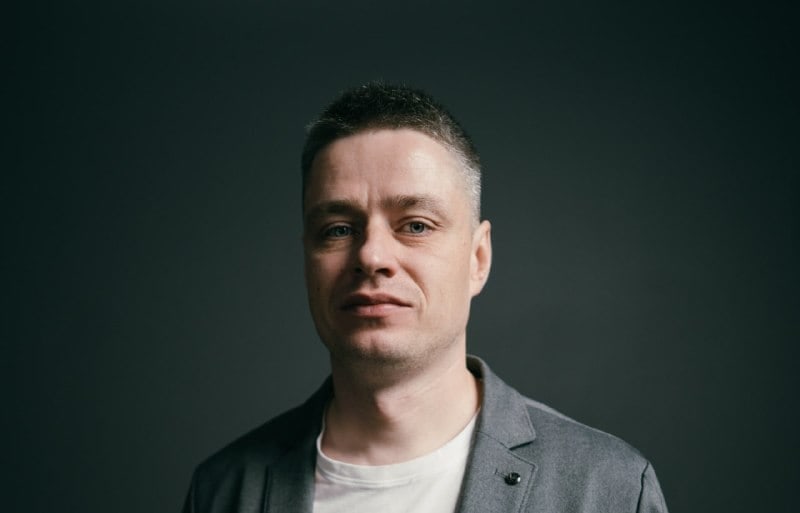
Investigation revealed that custodian company Trustee Plus has legally ceased to exist, while customers face fund blocking under the pretext of audits.
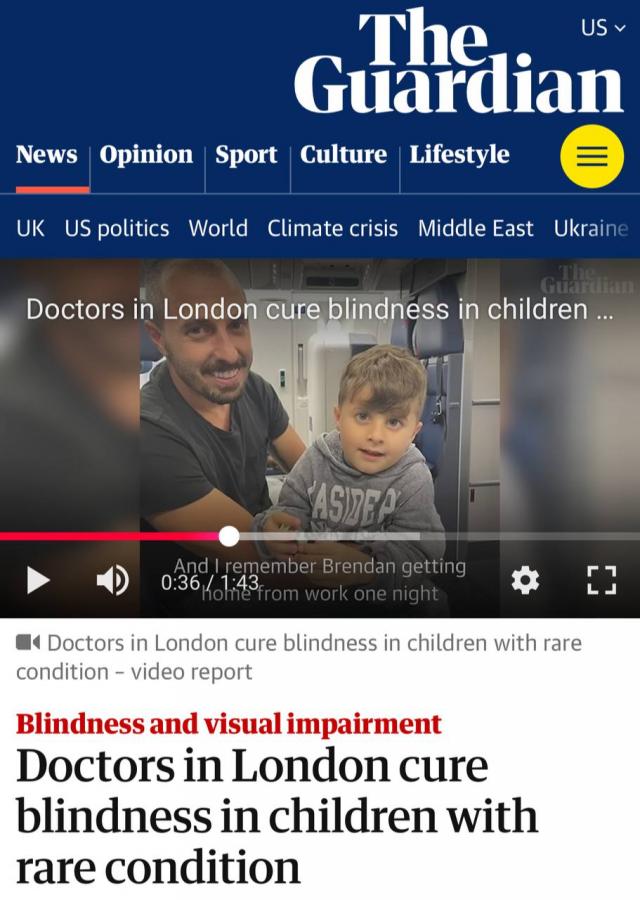
A great achievement in ophthalmology: children born blind can now see the world around them.
A group of scientists and doctors from London has achieved a historic breakthrough in treating children with a rare disease that causes total blindness from birth. For the first time, specialists have been able to restore vision in children suffering from congenital amaurosis caused by a mutation in the AIPL1 gene.
This condition, characterised by total loss of vision, was previously considered irreversible. However, thanks to a new technique, doctors implanted healthy copies of the AIPL1 gene into the children's retinas, which significantly improved their visual capabilities.
The treatment process involved implanting genetically corrected cells into the retina, and five years after the operation, the results have not only persisted but continued to improve. The young patients can now recognise their parents' faces, find toys, and read and write. This achievement has opened new horizons in the treatment of hereditary diseases and given hope to many families around the world.
This discovery represents a significant step forward in gene therapy and confirms that medicine can overcome barriers that seemed insurmountable just a few decades ago. The success of the experiment in London offers hope for the treatment of other forms of blindness, as well as a multitude of other genetic diseases previously considered incurable.
Comments
No comments yet. Be the first!