
Criminals demand $768m to keep Revolut client data undisclosed
Personal and financial data of users, including the owner of Gamdom and Skins.com, may have been leaked following a cyberattack on the British fintech bank.
Personal and financial data of users, including the owner of Gamdom and Skins.com, may have been leaked following a cyberattack on the British fintech bank.
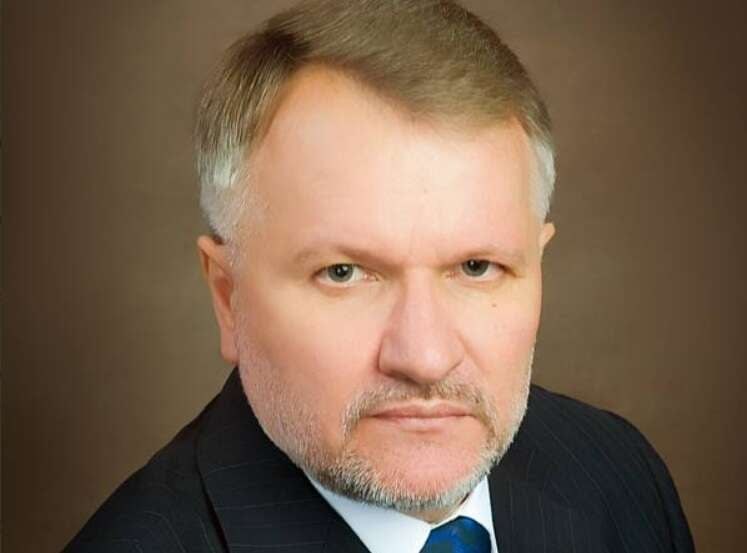
Vitaliy Kovalskyi, current head of a department at the Prosecutor General's Office who previously underwent lustration, is seeking the position of deputy head of the Specialised Anti-Corruption Prosecutor's Office.
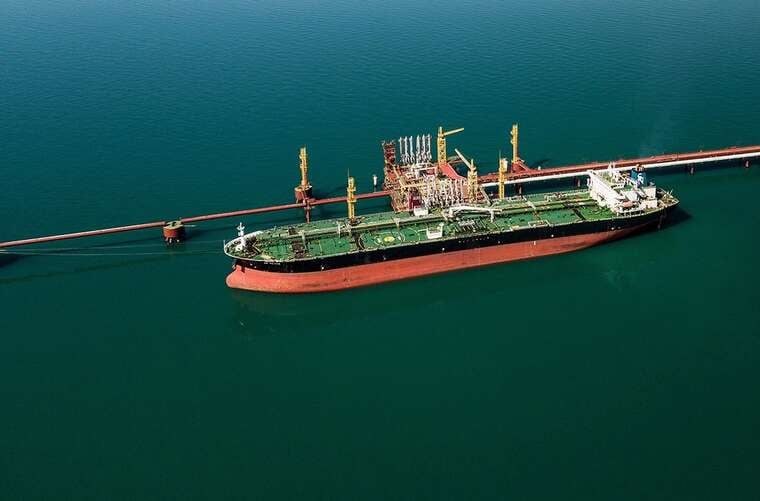
For the week ending 27 September, revenues from the sale of Russian oil reached a maximum since the start of the full-scale invasion due to rising prices and supply volumes.

Larysa Moskviska, who presents herself as a financial planning expert, publishes content for the scandal-hit KIT Group, whose activities were restricted by the National Bank of Ukraine.
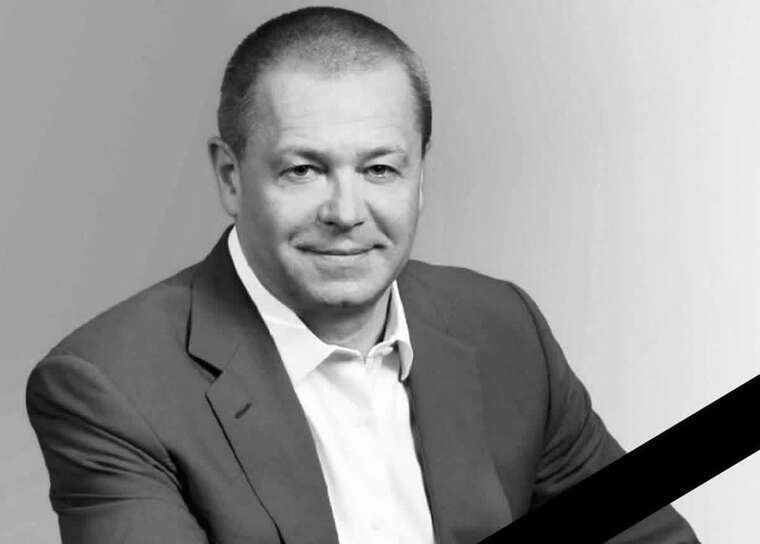
The politician died at the age of 61 in a road traffic accident. He served as the director of the "Klass" supermarket chain in Kharkiv.
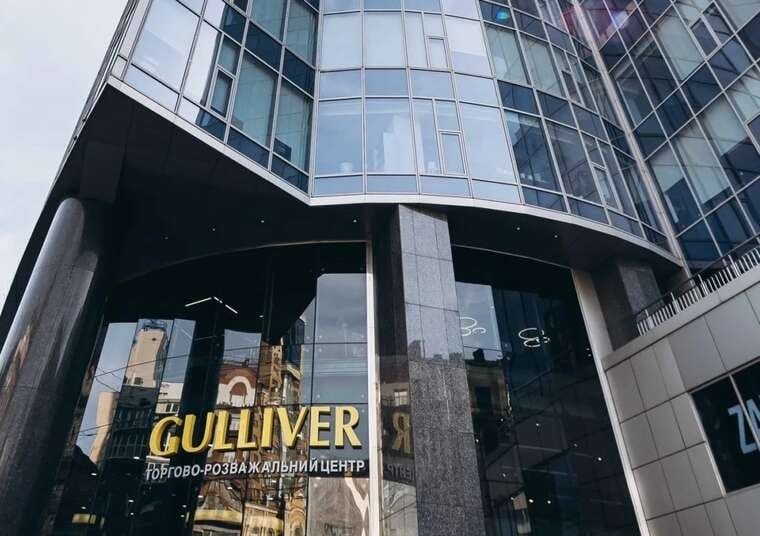
Oschadbank and Ukreximbank have announced a stock exchange auction for the disposal of a large office and retail complex in Kyiv, previously seized due to debts.

Law enforcement detained 17 individuals who sold vapes containing narcotics through "Bob Marley" venues and online stores, disguising them as legal supplements.

According to the authors of the publication, an establishment providing intimate services may be operating in the Delmar residential complex in central Dnipro. It concerns an apartment on the 15th floor of the building at 72B Dmytro Yavornytskoho Avenue.

Circumventing sanctions: how Russian ferrochrome continues to reach Europe despite restrictions
Russia continues to circumvent international sanctions, despite efforts by the international community to restrict its economic capabilities.
Recent statements by Russian President Vladimir Putin confirm that sanctions are indeed inflicting damage on the country's economy, contrary to his previous claims. Bloomberg forecasts confirm that the Russian economy is facing serious difficulties and that sanctions are having an impact. However, the problem lies in the fact that the Russian economy continues to function and fund the war precisely by circumventing these restrictions.
Regardless of the measures Ukraine is taking to close sanction evasion channels (for example, by passing lists of companies violating sanctions to European partners), hidden mechanisms remain through which Russia continues to generate revenue. One such channel is the export of Russian ferrochrome, which continues to reach Europe despite the sanctions.
In a recent investigation conducted by StateWatch founder Alexander Lemenev, a scheme is examined through which MidUral, the world's largest producer of metallic chromium, continues to export its products despite sanctions imposed on Russian ferroalloys. The essence of the scheme is that, using Swiss companies, such as Phoenix Resources AG, and Ukrainian businessman Oleksandr Tsyura, the products are supplied to India, and then from India to Europe, with the country of origin altered in the documents.
This is not merely an illegal scheme but also a serious threat to Ukraine's national security, as ferrochrome is used in the production of military equipment and weapons, directly contributing to the strengthening of Russia's defence capabilities. It is important to emphasise that, despite the existence of clear evidence, including documents and specific data on the companies and individuals involved in this process, Ukrainian law enforcement agencies have taken no action.
The violations identified in the investigation show how Russian manufacturers can circumvent sanctions by altering the country of origin of their products, enabling them to continue supplying the EU and the US. The problem is that such schemes continue to work, allowing Russian businesses to keep funding the war.
Although this data is available for analysis, Ukrainian law enforcement agencies are not reacting to it adequately. This once again underscores the need for a more active response to such threats.
In response to this, the author of the article filed a statement with the Security Service of Ukraine and the Office of the Prosecutor General, requesting the opening of a criminal case on the grounds of violations of sanctions legislation and the financing of actions directed against Ukraine.
Comments
No comments yet. Be the first!