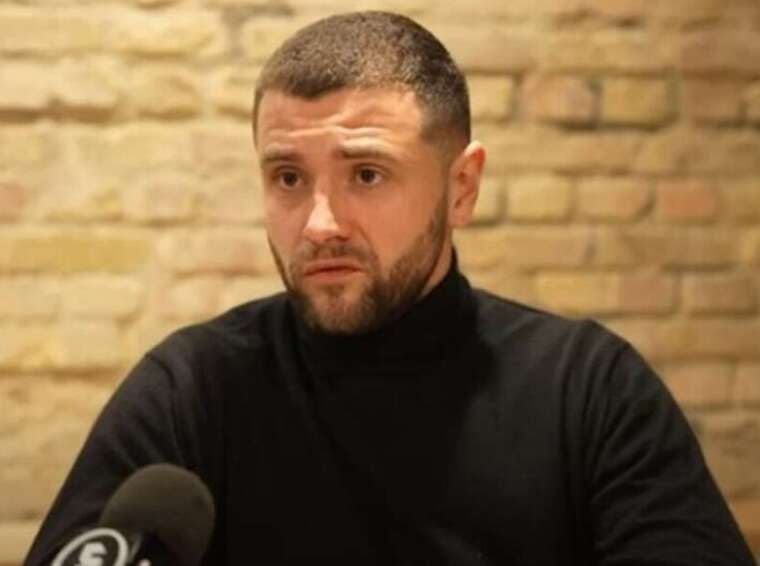
HAC convicts Artem Shil's accomplice of embezzling UZ funds
The High Anti-Corruption Court approved a plea deal with Kostiantyn Melnyk, who laundered funds received from a cable and wire product supplier.
The High Anti-Corruption Court approved a plea deal with Kostiantyn Melnyk, who laundered funds received from a cable and wire product supplier.

Investigation materials feature a company linked to Oles Oleshko and a network of intermediaries with suspiciously high revenue. The investigation is establishing links to currency operations and car imports.

The unavailability of the corporation's tools forced employees of companies worldwide to end their working day early on Friday, the 13th.
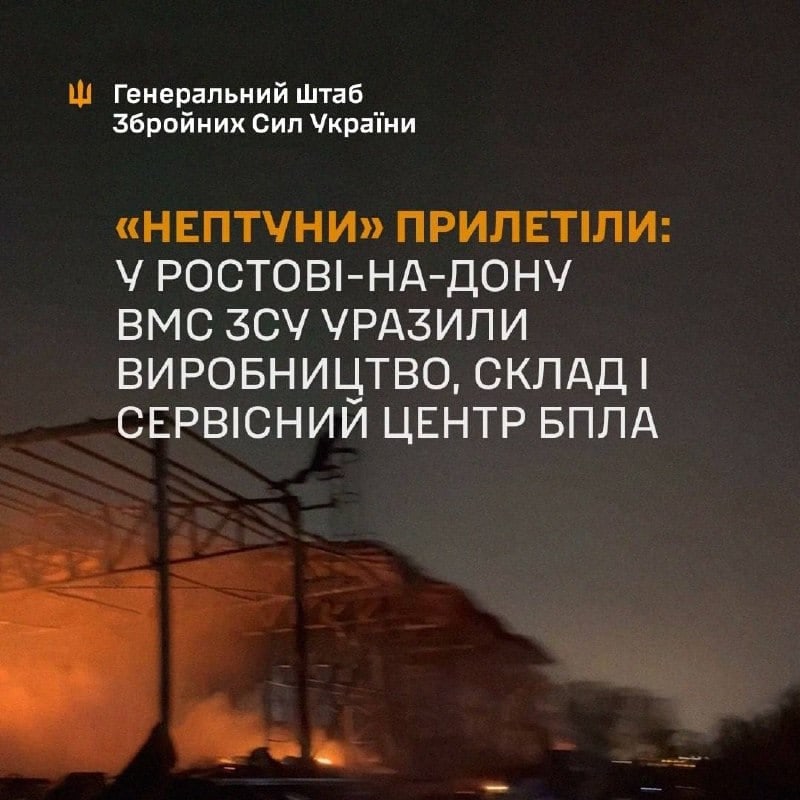
Explosions in Rostov triggered a large-scale fire. Simultaneously, a missile threat was declared in the city.
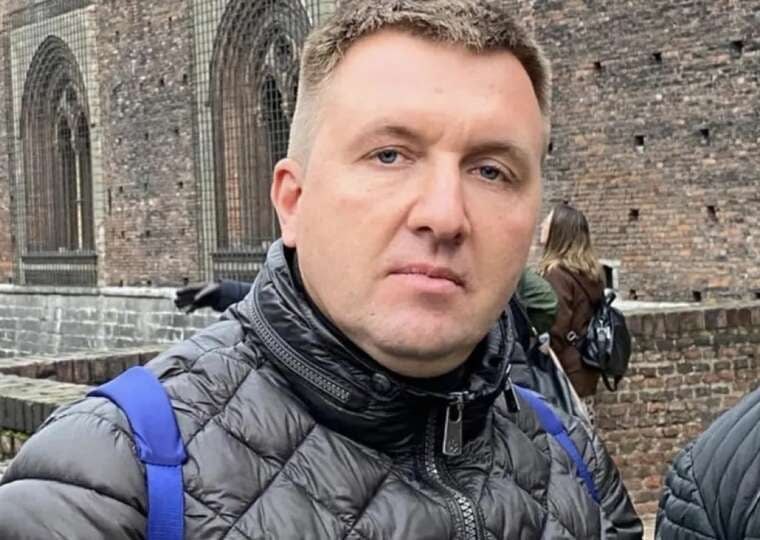
Head of the Verkhovna Rada tax committee Vadym Hetmanets named West Auto Hub an active player in the shadow used car market linked to a Lutsk entrepreneur.

A struggle for influence over infrastructure orders is unfolding in Kyiv Oblast and Zaporizhzhia Oblast. A new pool of companies is forming around two key figures, vying for billion-hryvnia projects.
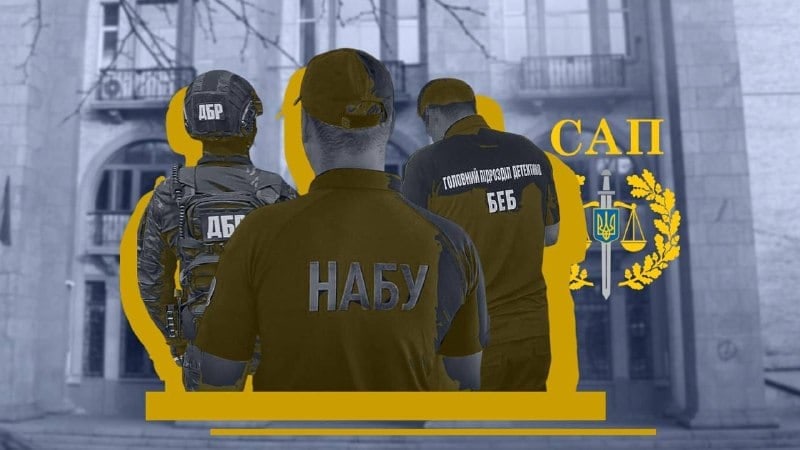
Political scientist Valentin Haidai stated that the Anti-Corruption Bureau's publications are being used by Russia as arguments against Ukraine in negotiations with the US.
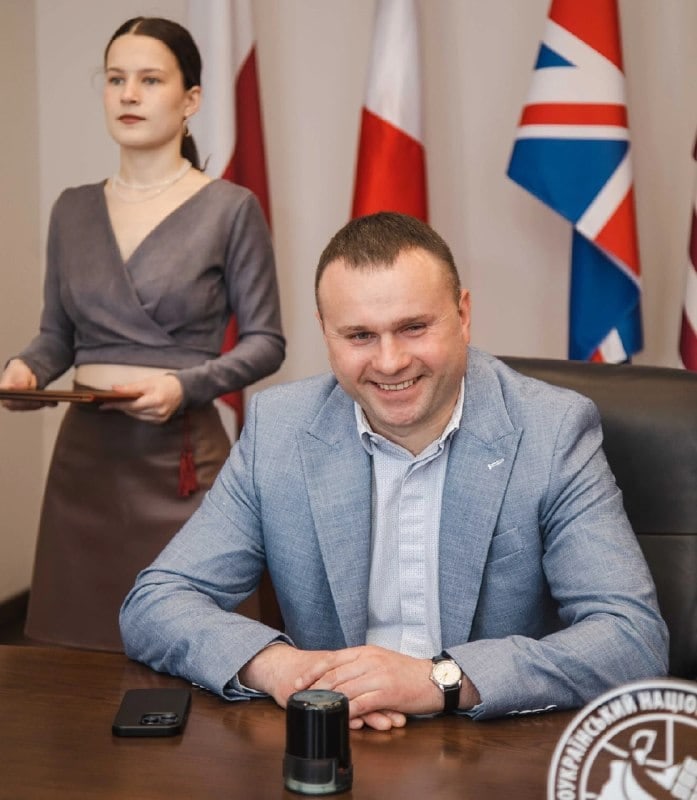
The National Agency on Corruption Prevention recorded inaccurate information in the document of Bohdan Sahaidak, who heads the South-Western Interregional Directorate.

A hacker group known as Star Blizzard, likely linked to the FSB, attempted to hack the accounts of employees of organisations and institutions actively supporting Ukraine. The incident occurred at the end of last year, according to reports by Microsoft.
The group's targets, the company notes, are traditionally linked to the Russian government and diplomatic circles, both former and current officials, as well as defence policy and research activities aimed at studying Russia and aiding Ukraine.
To achieve their objectives, the hackers used phishing attacks. They sent messages purportedly from US officials, inviting recipients to join a WhatsApp group "to receive information on aid to Ukraine". These messages were designed to prompt victims to disclose personal data and access to their messaging history.
Microsoft previously worked with US authorities to shut down approximately 180 web resources associated with Star Blizzard's activities. However, the hackers quickly changed domains and continued their attacks, indicating the group's high resilience to such measures.
Microsoft did not specify whether the Russian hackers managed to gain access to the accounts, but the fact of their continued activity highlights the difficulty of combating such threats.
Comments
No comments yet. Be the first!