
Done's Schemes: How Ukrainian Hryvnia Turns into Swiss Francs via Importers
Investigation reveals a network of companies where funds are collected in Ukraine, converted into foreign currency, and transferred to Swiss Done Switzerland AG.
Investigation reveals a network of companies where funds are collected in Ukraine, converted into foreign currency, and transferred to Swiss Done Switzerland AG.

Taras Vysotsky stated that alternative logistics corridors provide only 45% of the required volumes, threatening the loss of a significant portion of the harvest.
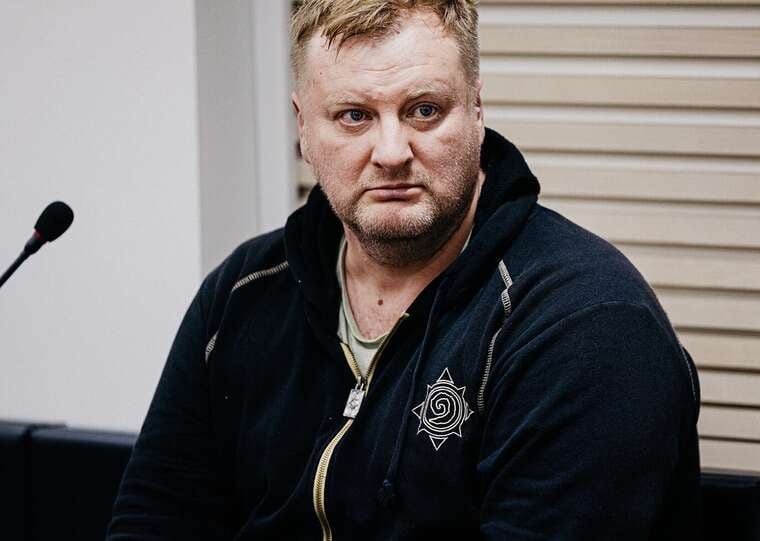
Lead State Prosecutor Taavi Pern confirmed that the activist was aware of the criminal liability for his actions, having contacted individuals who already had convictions for similar offences.
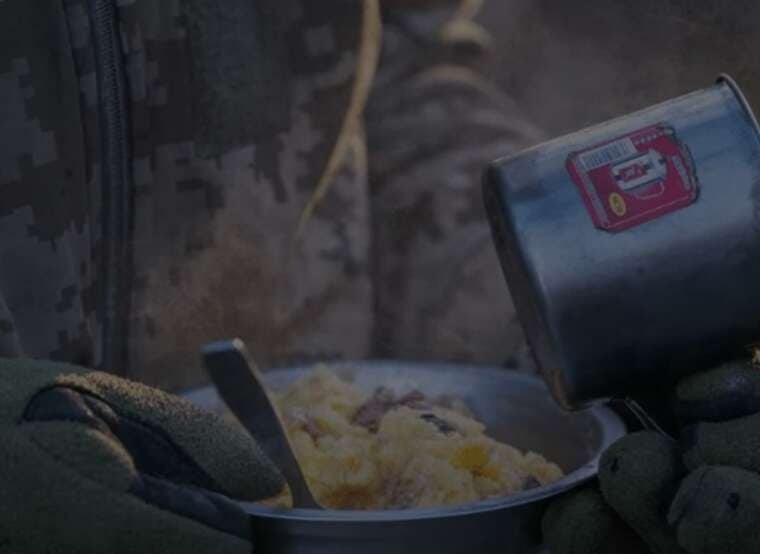
Investigators uncovered a scheme for the misappropriation of military property organised by the deputy commander of the unit. The process was later overseen by an SBU counter-intelligence officer assigned to the unit.
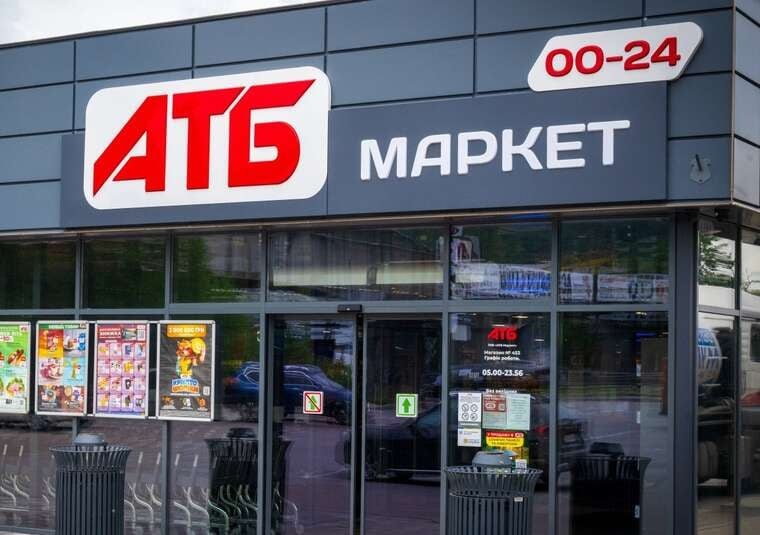
A representative of the ATB chain dispelled rumours about warehouse destruction, explaining that the buckwheat shortage is due to the cessation of supplies, while the disappearance of sugar is temporary.

European experts warn that restrictions on US diesel exports could become a trigger for a historic rise in prices on the continent.
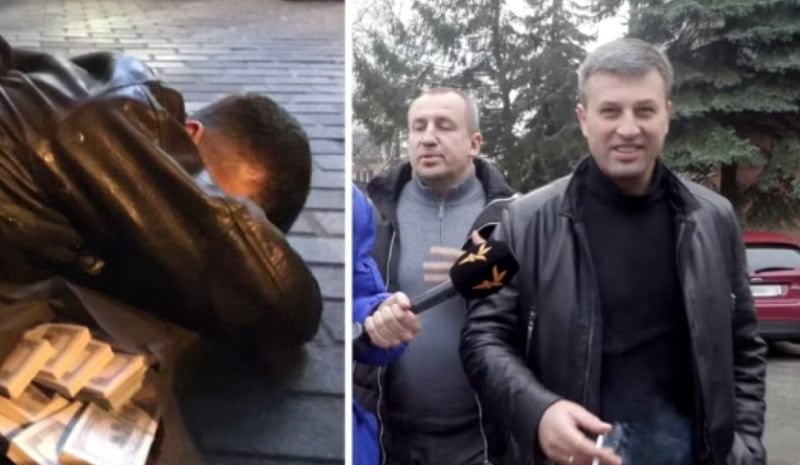
Shevchenkivskyi District Court of Kyiv found two former prosecutors not guilty of demanding $150,000 to close a case.
Investigation revealed that custodian company Trustee Plus has legally ceased to exist, while customers face fund blocking under the pretext of audits.
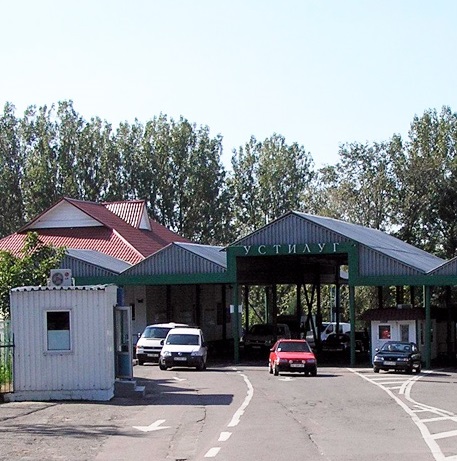
At the Ustyluh border crossing in Volyn Oblast, through which hundreds of people and vehicles pass daily, journalists have reportedly discovered well-established corruption schemes.
According to the authors of the investigation, Captain Stepan Fesyk, the first deputy head of the Parkhomenkove border service unit, and his subordinate Ruslana Shuliak play a key role in these schemes.
The investigation claims that they turned one of the strategically important checkpoints on the border with Poland into a source of personal enrichment.
One of the schemes described by the journalists began operating from the first days of the full-scale war. According to sources, Fesyk allegedly allowed wealthy Ukrainians in expensive cars to bypass the queue, while ordinary families stood in multi-kilometre traffic jams for days.
Today, the authors of the publication claim, the captain has switched to humanitarian cargo: informal "payments" are demanded for permission to import aid, including vehicles for the Ukrainian Armed Forces.
Particular attention is drawn to another, even more cynical scheme. For $5,000, it is alleged, Fesyk helps men of conscription age illegally leave Ukrainian territory. Meanwhile, those who have a legal right to leave — for example, on medical grounds or as guardians — face refusals without any written record, depriving them of the ability to appeal the border guards' actions.
According to the journalists, Fesyk's colleague, Ruslana Shuliak, is also involved in the corrupt dealings. Her role, it is claimed, involves psychological pressure on those who refuse to pay. Witnesses report intimidation and threats.
Sources also claim that the command of the 6th Border Detachment in Volyn Oblast is aware of what is happening but prefers to turn a blind eye. The state of war, which allows border guards not to file declarations, only facilitates the concealment of illegal income.
Surprisingly, despite disciplinary offences, Fesyk continues to work within the system. In 2024, he was held administratively liable twice — for unjustified refusal to allow citizens to leave the country and for negligent handling of weapons. However, instead of being dismissed, he was simply transferred to another position.
Journalists are calling on the leadership of the State Border Guard Service, specifically the head of the agency, Serhiy Deyneko, to pay attention to what is happening at the Ustyluh crossing point. In addition, the authors of the investigation are appealing to law enforcement agencies to launch a comprehensive review of the described facts.
If the information is confirmed, this is not merely a matter of individual abuses, but of a deeply entrenched system that undermines trust in state institutions at the most critical moment for the country.
Comments
No comments yet. Be the first!