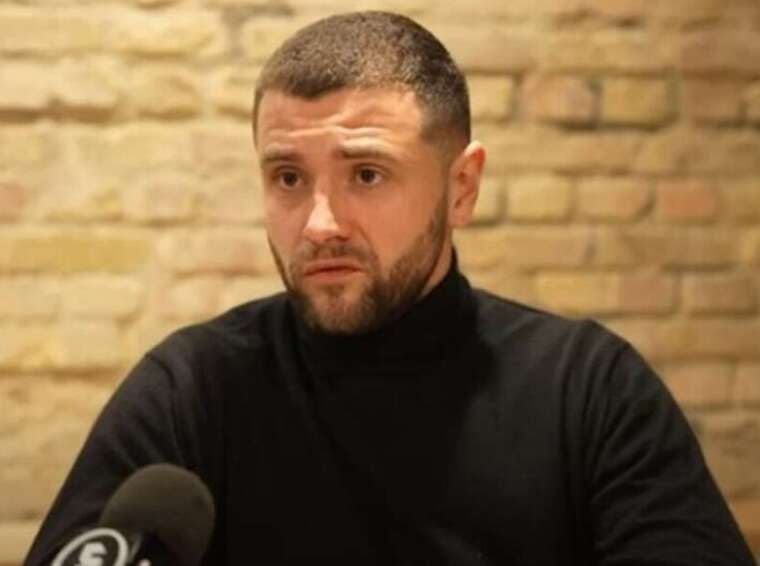
HAC convicts Artem Shil's accomplice of embezzling UZ funds
The High Anti-Corruption Court approved a plea deal with Kostiantyn Melnyk, who laundered funds received from a cable and wire product supplier.
The High Anti-Corruption Court approved a plea deal with Kostiantyn Melnyk, who laundered funds received from a cable and wire product supplier.
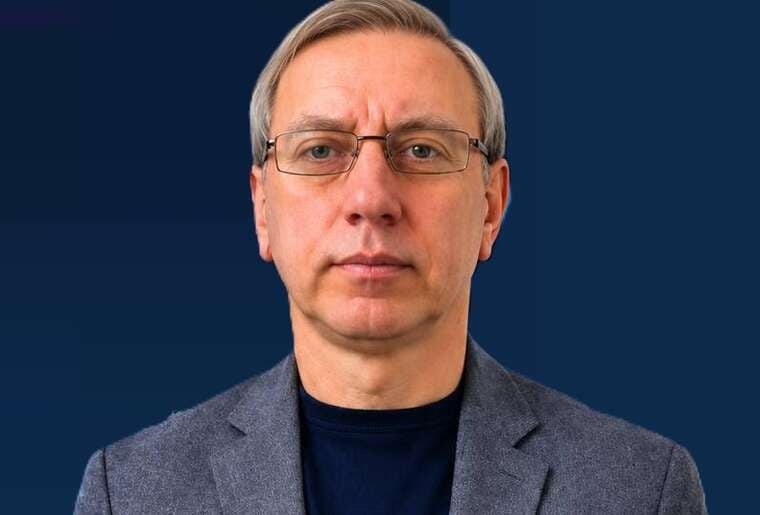
Investigation materials feature a company linked to Oles Oleshko and a network of intermediaries with suspiciously high revenue. The investigation is establishing links to currency operations and car imports.
The unavailability of the corporation's tools forced employees of companies worldwide to end their working day early on Friday, the 13th.
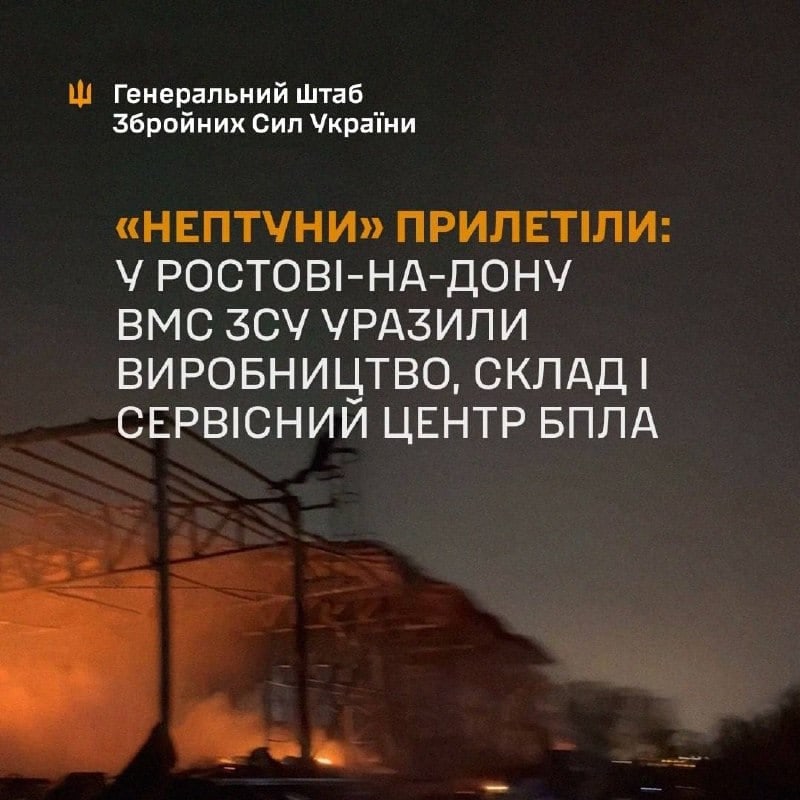
Explosions in Rostov triggered a large-scale fire. Simultaneously, a missile threat was declared in the city.
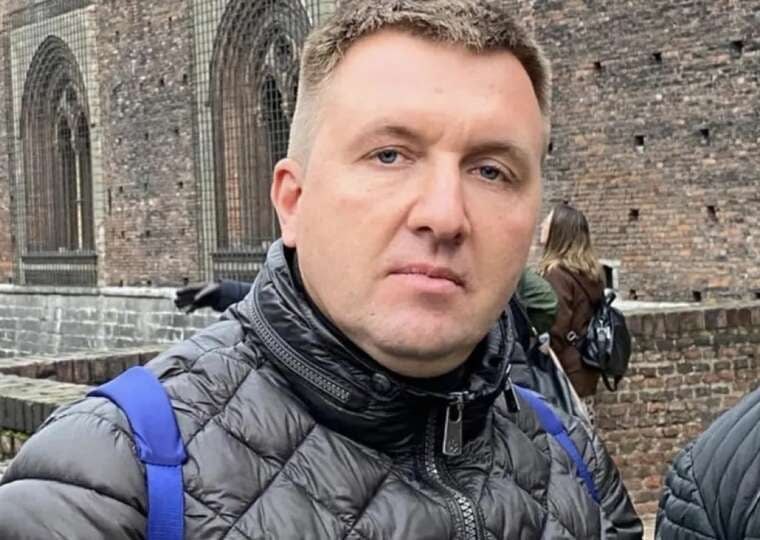
Head of the Verkhovna Rada tax committee Vadym Hetmanets named West Auto Hub an active player in the shadow used car market linked to a Lutsk entrepreneur.
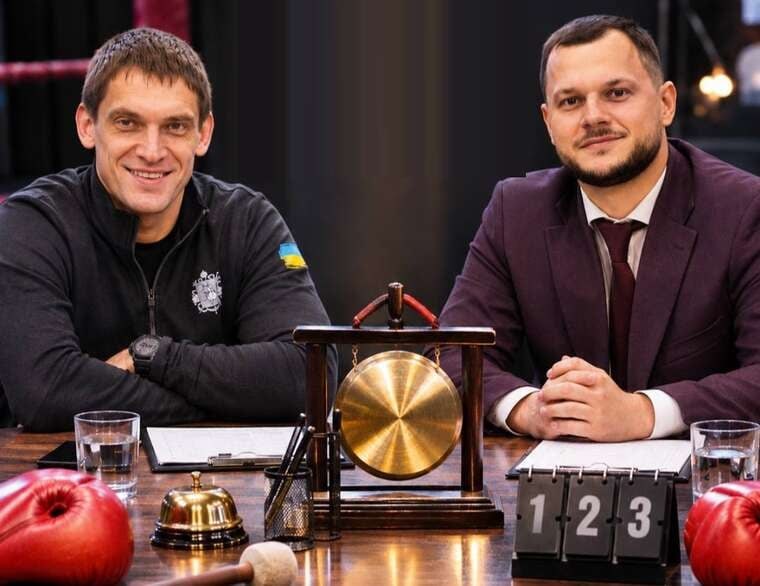
A struggle for influence over infrastructure orders is unfolding in Kyiv Oblast and Zaporizhzhia Oblast. A new pool of companies is forming around two key figures, vying for billion-hryvnia projects.
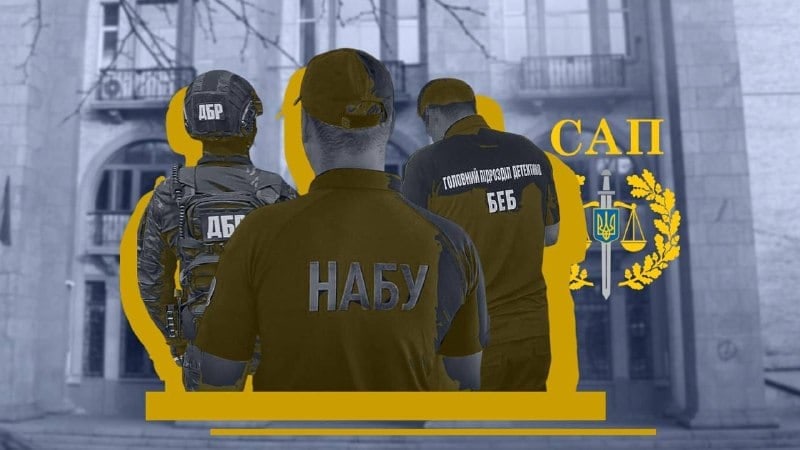
Political scientist Valentin Haidai stated that the Anti-Corruption Bureau's publications are being used by Russia as arguments against Ukraine in negotiations with the US.
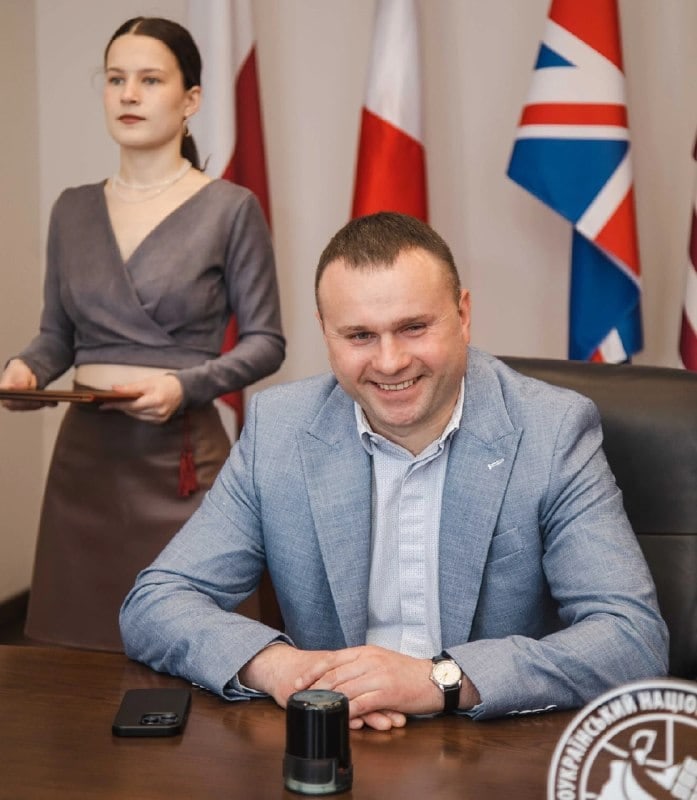
The National Agency on Corruption Prevention recorded inaccurate information in the document of Bohdan Sahaidak, who heads the South-Western Interregional Directorate.

Approximately a month ago, Ukrainian media headlines featured information about the detention of a Roshen factory truck carrying smuggled cigarettes in Romania.
This event caused significant resonance among the Ukrainian public for understandable reasons: some citizens highly value Poroshenko and are ready to fight tooth and nail for him.
However, it soon turned out that the truck did not directly belong to the Roshen factory, but was merely transporting its products according to the documents. This changed the context and raised questions about which cigarettes were smuggled into Romania and how they ended up in Ukraine.
Acting Head of Customs Sergey Zvyagintsev effectively confirmed the smuggling of cigarettes produced by Kozlovsky's factory to Romania under the cover of Roshen confectionery products.
An analysis of the three-page document from customs indicates that the smuggling was carried out "under the guise of Roshen factory products, which changes the picture of the situation. However, the question remains: where did this huge batch of contraband come from? It turns out that it originates from the Vinnikovskaya Tobacco Factory, which produces almost two-thirds of counterfeit cigarettes in Ukraine.
The factory belongs to the well-known Ukrainian businessman Grigory Kozlovsky, who is known for his provocative behaviour and involvement in numerous scandals related to corruption in the Office of the President of Ukraine and the Prosecutor General's Office of Ukraine.
According to estimates by the analytical company Kantar Ukraine, last year the losses to the Ukrainian budget from illegal trade in tobacco products amounted to 20,654,554,000 hryvnia. The growth in counterfeit products is driven by goods marked as Duty Free and illegally sold on the internal market of Ukraine.
Products with Duty Free marking account for 12.2% of the market, and 64% of this product is produced at the Vinnikovskaya Tobacco Factory, which belongs to Grigory Kozlovsky. Among the most common brands of this counterfeit product are Compliment (with Duty Free marking), which accounts for 47%, as well as Marshall, Marvel, Urta, and Jin Ling, whose combined share is 84%.
This fact is widely known.
Comments
No comments yet. Be the first!