
Privatisation auction for Odesa Potash Plant fails due to lack of bids
Attempt to sell plant for 4.3 billion hryvnia fails. FDM head Dmytro Nataluha links failure to political situation ahead of US elections.
Attempt to sell plant for 4.3 billion hryvnia fails. FDM head Dmytro Nataluha links failure to political situation ahead of US elections.
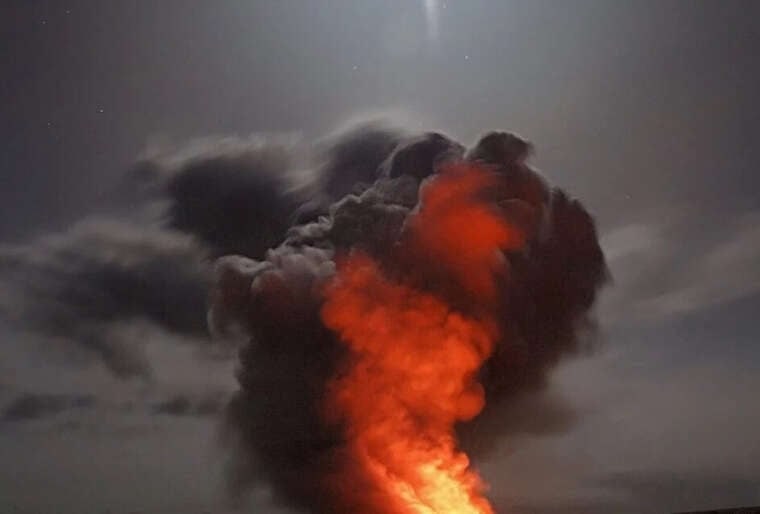
The capital was attacked by ballistic missiles, causing explosions. Details of the aftermath and possible casualties are currently being established.

Gunshots were recorded near a school in Ternopil. One resident was injured as a result of the incident; the circumstances are being established.

Thousands of farmers delivered vehicles carrying manure and waste to state agency offices to draw attention to their demands.
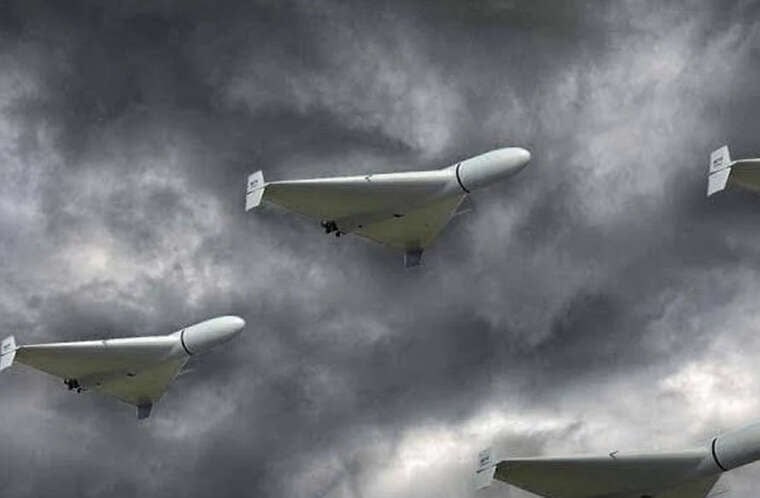
A yellow danger level is in effect in the capital and several regions due to the risk of Russian drone strikes. Official authorities urge citizens to remain in shelters until the all-clear is given.
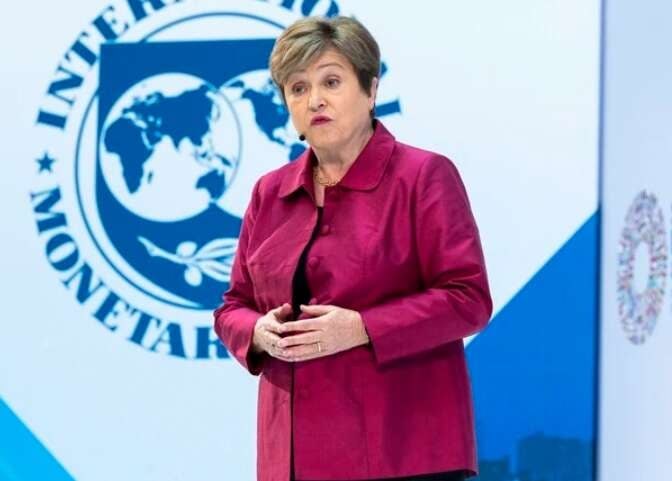
IMF Managing Director highlighted the critical state of partner countries' finances and called on governments to exercise discipline, which may impact the search for funds for Kyiv in 2027.

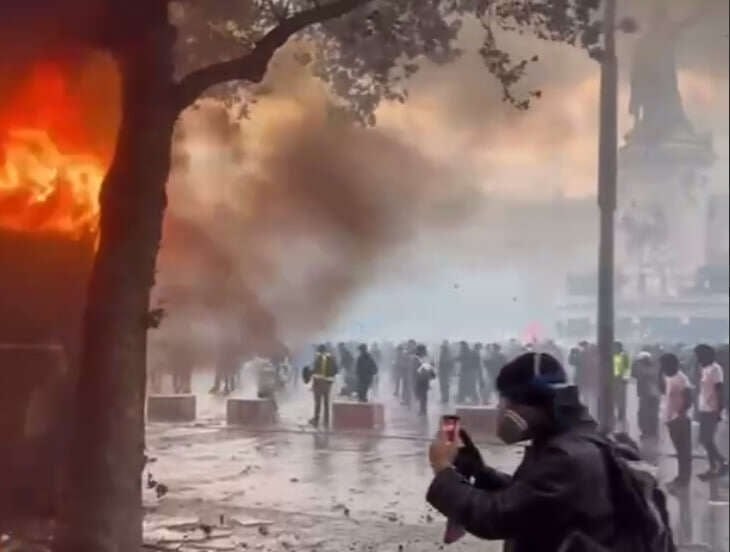
Looters seized a rare Lionel Messi shirt and captain's armband bearing his personal signatures from looted premises in France.
Polish Prime Minister Donald Tusk confirmed that the country will maintain a strict course on border protection and the deportation of offenders, assuring that Warsaw will not repeat the mistakes of other European states.

On 24 October 2026, on the night leading into Sunday, Ukraine will switch to winter time. At 04:00, the clock hands will be turned back by one hour, to 03:00. Although this change formally grants an extra hour of sleep, experts warn that adjusting the schedule may cause discomfort, fatigue, and affect emotional state.
After the clocks are changed, the internal biological clock does not readjust instantly. This process requires time for synchronisation, so in the first days, drowsiness, apathy, irritability, and increased anxiety are possible.
Anastasia Patenko, a psychologist at the Betobee platform and a psychoeducator, emphasises that the general emotional background is influenced not only by the time change but also by a complex of other factors. These include the shortening of the day, the approach of the cold season, as well as stress caused by the war and the risk of power outages.
To reduce the negative consequences of the schedule change, the specialist recommends carefully monitoring one's well-being and maintaining a usual daily routine. The key steps for stable adaptation are:
Anastasia Patenko advises treating the clock change as a temporary situation. The body has the ability to gradually adapt to new conditions, so it is important to give it time for this adaptation.
Comments
No comments yet. Be the first!