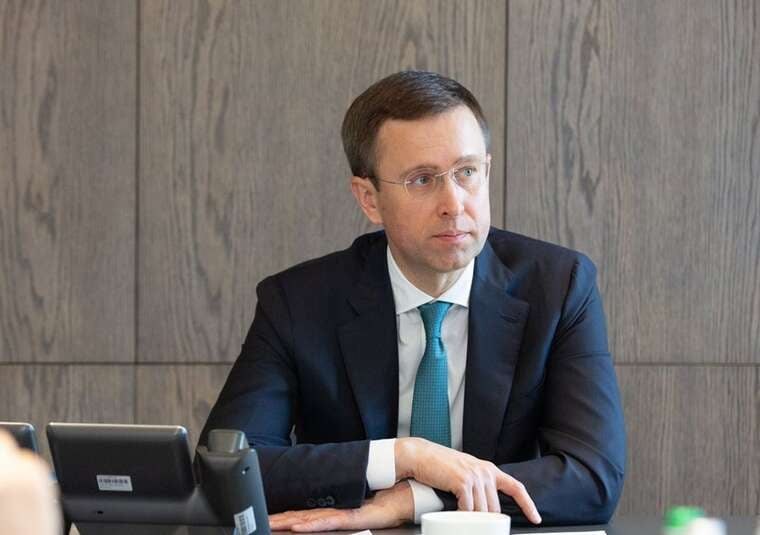
Koretskyi announces tougher penalties for evading mobilisation and unauthorised desertion
Ukrainian Prime Minister Serhiy Koretskyi announced an updated bill providing for stricter liability for violations of mobilisation legislation.
Ukrainian Prime Minister Serhiy Koretskyi announced an updated bill providing for stricter liability for violations of mobilisation legislation.
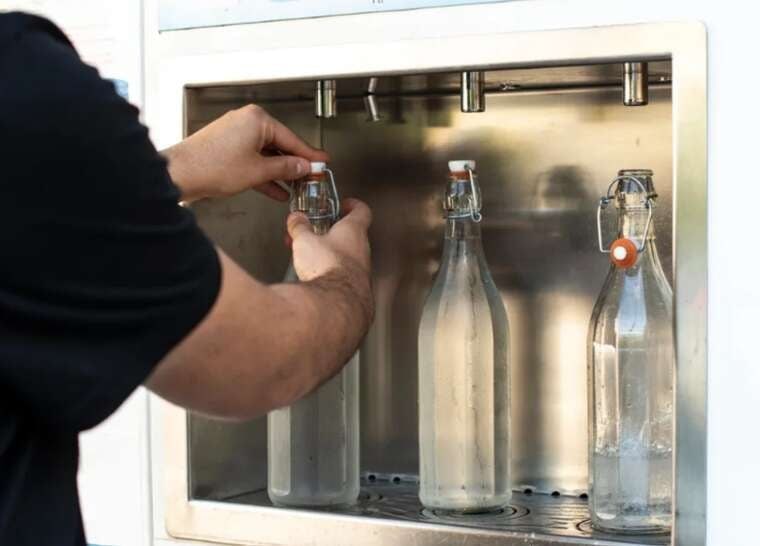
Metal structures housing water vending machines have appeared in residential areas of Obolon. Residents are asking who authorised their installation and whether neighbours' opinions were taken into account.
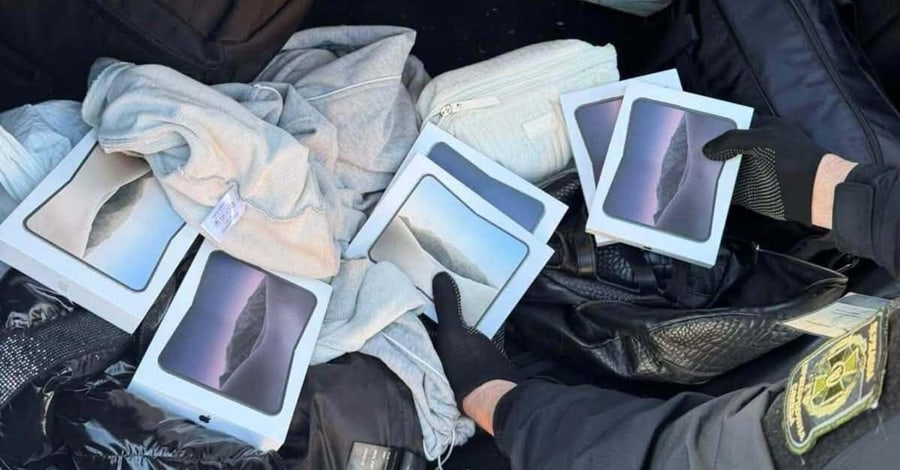
Law enforcement officers at the Krakivets and Ughrinyv border crossings detained two batches of undeclared Apple equipment, seizing six smartphones and 219 components.
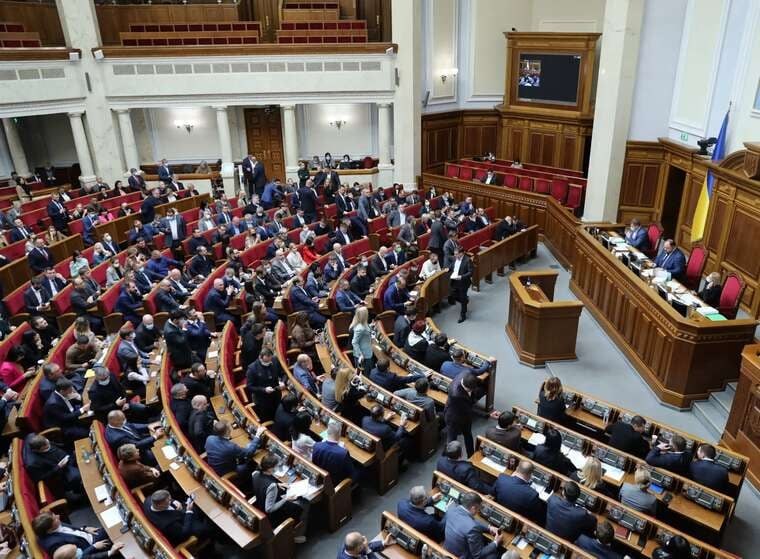
Parliament passed Law No. 13478-1, which restores open competitions for positions in state bodies and local government, while preserving the preferential rights of military veterans.
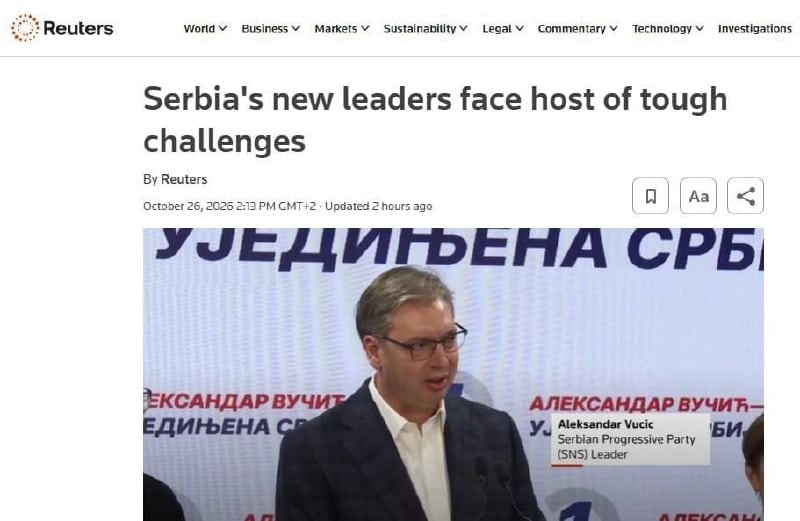
Leaders of the "Student List" announced plans to ban the supply of Serbian weapons to conflict zones and to end sanctions against the Russian Federation.
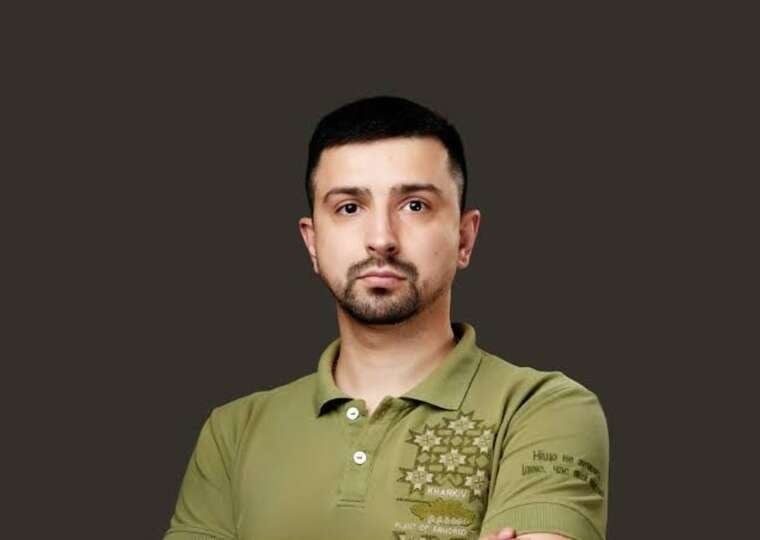
Former minister and head of the state concern Ukroboronprom, Herman Smetanin, registered three business entities in Kyiv within a few months of his dismissal, serving as the ultimate beneficiary in each.

Review of the case concerning the Osokorkivski Luh nature reserve has been postponed again due to a change in the developer's representative. Numerous overlaps were found between the company's lawyers and the family of Kyiv City Council MP Vitaliy Nestor.
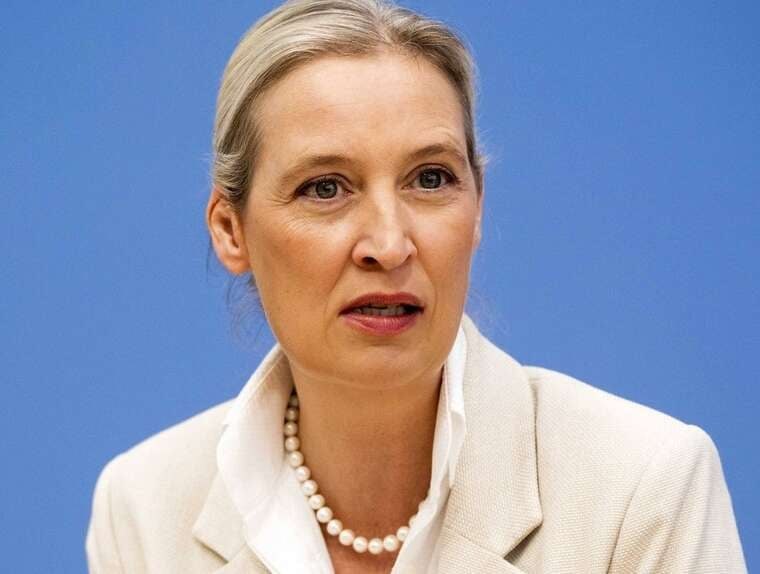
German party AfD shifts strategy: instead of "Dexit", it proposes Union reform, reduction of institutional powers, and creation of a federation of sovereign states.
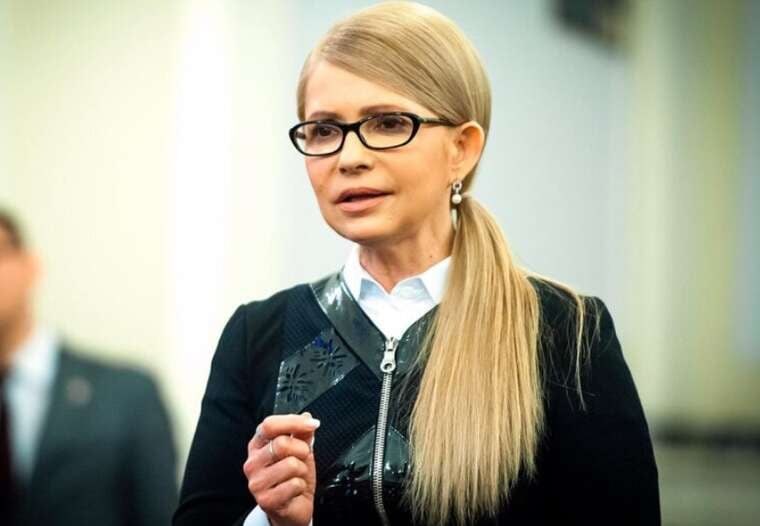
The High Anti-Corruption Court (HAC) has taken up the motion of People's Deputy Yulia Tymoshenko, in which she requests to reduce the bail amount from 33 million to 266,000 hryvnia.
As early as January this year, Tymoshenko reported that she did not have the necessary funds to pay the full bail amount. At that time, representatives of the BYuT faction attempted to raise the money through joint efforts. Despite the fact that courts of first and appellate instance had already refused the politician's request to reduce the financial guarantee, she continues to insist on a review of this decision.
The High Anti-Corruption Court's practice has already included precedents where the bail amount was reduced after a refusal by the appellate instance. For example, the court lowered the already paid bail for Pavlo Kyrylenko, head of the Antimonopoly Committee, who is suspected of corrupt actions, from 30 to 25 million hryvnia, returning the difference to him.
The likelihood that Tymoshenko's bail will be reduced remains high. This is due to the fact that she duly fulfils the procedural obligations imposed by the court: she appears at hearings without delay, does not attempt to hide, and returns from business trips on time.
Meanwhile, the information disseminated by the MP regarding the prosecutor's requirement to wear electronic monitoring devices on both her neck and wrist simultaneously is untrue. The relevant points are absent from the text of the official motion.
Comments
No comments yet. Be the first!