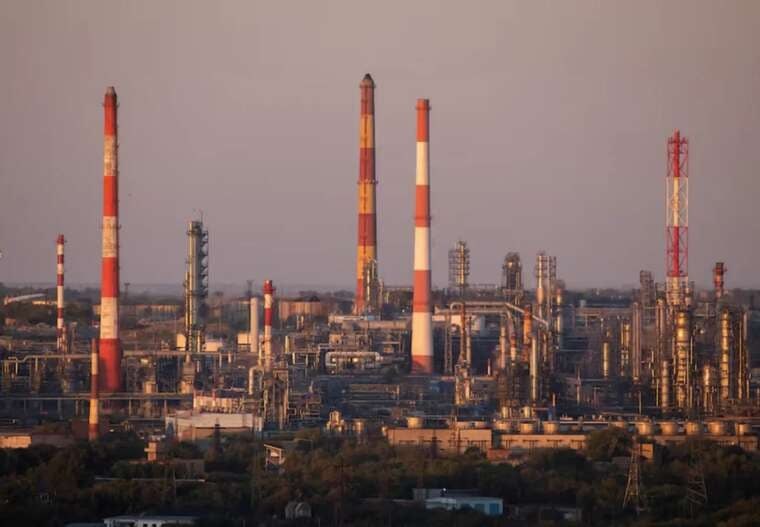
Russia ramps up diesel output to fulfil fuel supply deals with US
Russian refineries are increasing diesel production after receiving export quotas allocated by the Russian government to implement agreements with Washington.
Russian refineries are increasing diesel production after receiving export quotas allocated by the Russian government to implement agreements with Washington.

Following the EU's lifting of sanctions against Fridman, discussions in Ukraine have intensified regarding the transfer of his stake in the telecom company to state ownership, despite ongoing restrictions from the US, UK and Ukraine.

Journalists detailed the network of companies linked to Oleh Mitrokhin, which receive billion-hryvnia state contracts despite fines for collusion and supplying substandard goods to the Armed Forces of Ukraine.

Investigation completed in case of criminal group that siphoned approximately 50 million hryvnia from client accounts using forged court decisions.
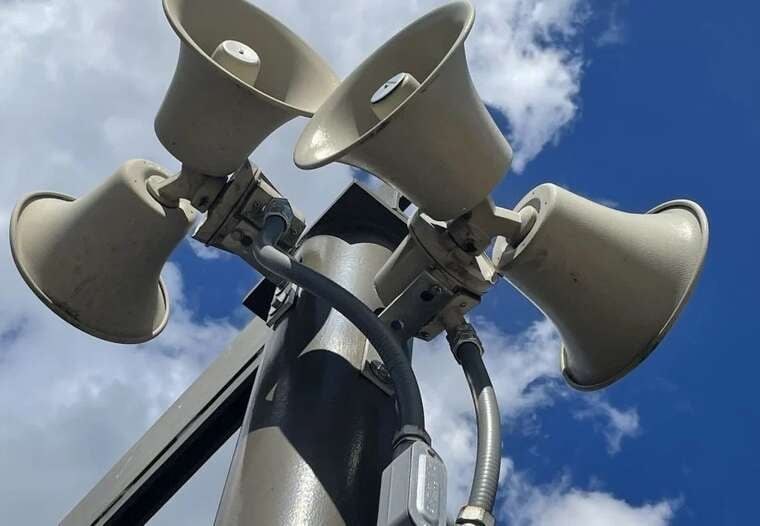
Monitoring groups recorded abnormal behaviour of air raid alerts in the capital: signals changed status three times in a row over a short period.
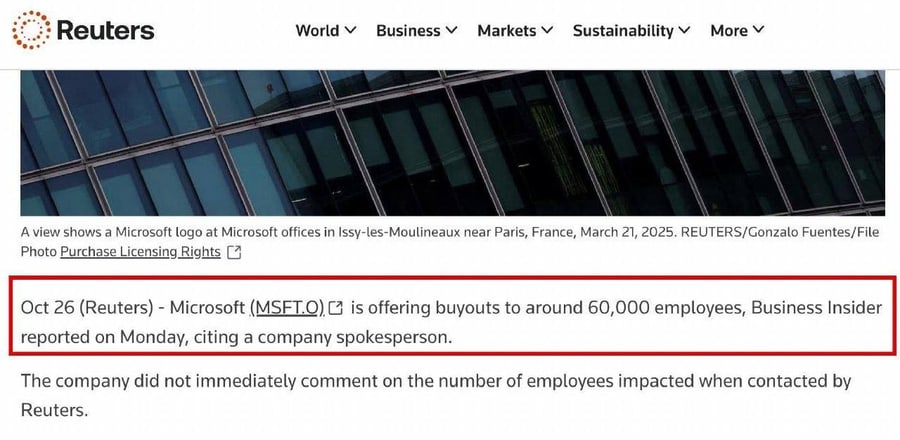
Microsoft may cut around 60,000 employees in the US, Canada, India and the UK amid the rollout of artificial intelligence.

Law enforcement officers in the Volyn region uncovered a suspected scheme for the illegal transfer of people to the EU. A local resident received a large sum for handing over fake documents to a client.

The blogger, who did not condemn the full-scale invasion, explained why she got rid of her property in Ukraine and where her former cars are now.
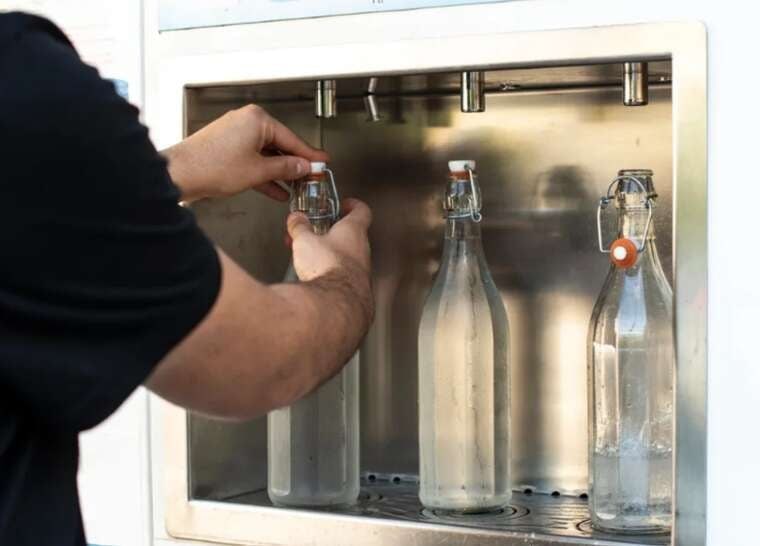
Residents of Kyiv's Obolon district have expressed dissatisfaction with the appearance of new commercial facilities in their courtyards. Metal boxes containing vending machines for selling drinking water have appeared in the neighbourhoods, and residents are demanding that authorities explain who granted permission for their installation. Kyiv residents themselves reported the new structures on social media.
According to information published online, the first such facility appeared in the courtyard of the buildings at 36A-38 Obolonskyi Avenue. It was placed directly next to a children's playground, where children previously played freely. Two similar metal units were spotted at 32A Heroes of the Azov Regiment Street and in the courtyard at 22 Obolonskyi Avenue.
In the lifeobolon Facebook community, members acknowledge that selling drinking water is a useful service, but emphasise that this does not give the right to indiscriminately fill residential areas with metal structures. The authors of the post formulated a series of questions for representatives of the city and district authorities, as well as for the owners of the water vending machines.
“Who determined the locations for the water vending machines and were residents' opinions taken into account? On what legal basis are commercial facilities placed on the premises adjacent to residential buildings? Has consent from co-owners been obtained?” — the community post reads.
Beyond legal aspects, residents are interested in the source of the water supply, the mechanisms for controlling its quality and safety. The issue of technical support has also been raised: how the electricity supply to the structures is organised, whether separate meters have been installed, and whether appropriate contracts have been signed.
Particular attention has been paid to the maintenance of the areas. Citizens are asking who is responsible for the upkeep around the boxes and the safety of children playing nearby.
“Today one box appears in the courtyard, tomorrow a second, and eventually the public space may turn into yet another trading spot,” the community writes.
Dozens of comments appeared under the post about the new water vending machines, indicating a lack of consensus among residents. Some Kyiv residents believe that such structures are an obstruction and an example of harmful business activity being pushed through without people's consent. Other users, conversely, support the idea, calling it convenient as it allows them to avoid carrying water from far away. Some are pleased to see such a facility near their home.
The autonomy of the water vending machines also serves as an argument in their favour: the structures are equipped with their own batteries and operate without external electricity, which is an advantage during power outages.
The community concludes that courtyards in Obolon should remain a space for rest, children and people, rather than turning into a zone for the haphazard placement of commercial infrastructure.
Comments
No comments yet. Be the first!