The end of the era of armoured helplessness
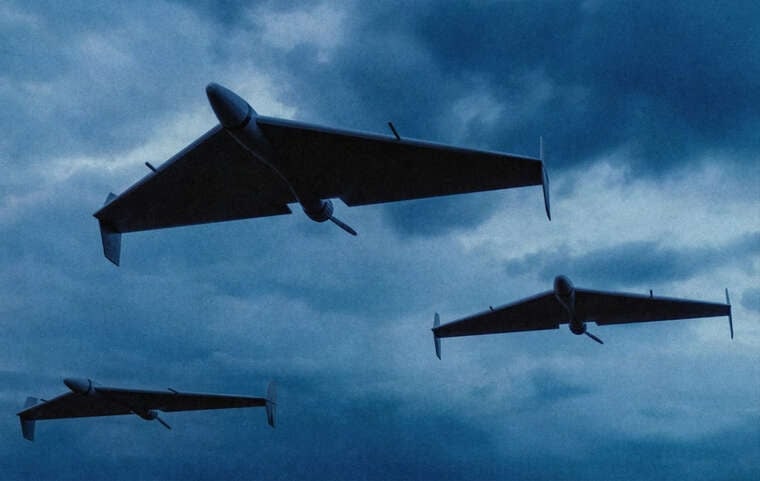
For over two years, heavy armoured vehicles have been in a state of virtual helplessness on the front line due to the mass use of FPV drones by enemy forces. However, the situation has changed: the Defence Forces of Ukraine are once again actively deploying tanks. This has become possible thanks to a large-scale tactical restructuring and the systematic attrition of enemy forces.
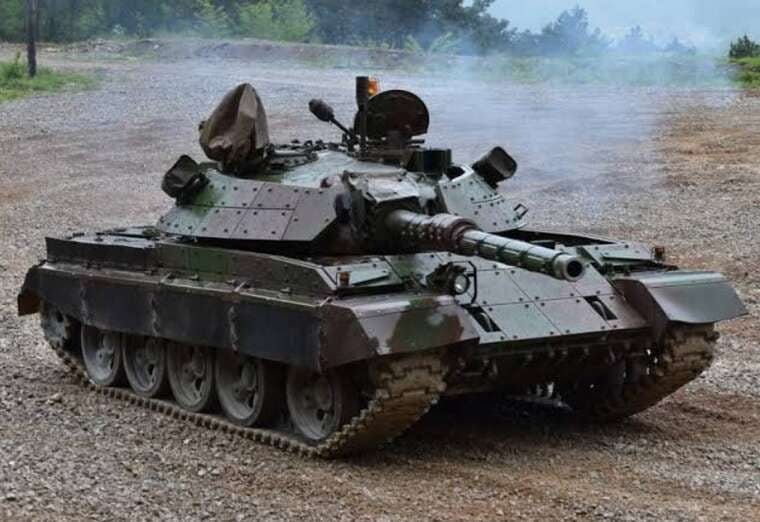
As reported by The Telegraph, British Challenger 2 and American Abrams tanks were used to conduct successful offensive operations.
Strategy for clearing the airspace
The main prerequisite for the return of tanks was a comprehensive strategy aimed at destroying Russian unmanned units and their logistics. Ukrainian forces abandoned frontal attacks, focusing their efforts on the deep attrition of the enemy.
The destruction of convoys and depots at distances of up to 160 kilometres deprived Russian drone crews and artillerymen of supplies of ammunition, food, and new batteries. Additionally, the interception of communications and the hacking of Russian soldiers' phones made it possible to accurately determine their positions and adjust artillery fire.
The large-scale disconnection of unauthorised access to the Starlink network caught Russian units by surprise, depriving them of operational capability. The systematic destruction of radar systems, electronic warfare systems, and UAV operator positions forced enemy crews to retreat deep into their territory.
A new order of operations on the battlefield
Only after the area of impact had been cleared of threats did Ukrainian infantry move forward, clearing the way for the advance of heavy armoured vehicles.
This approach yielded tangible results during the counteroffensive near Oleksandrivka. The operation began as a preventive strike that thwarted Russia's plans for an offensive on Zaporizhzhia. Thanks to the element of surprise and the lack of coordination on the part of the enemy, Ukrainian forces managed to liberate 288 square miles of territory.
An example from Kharkiv region
Similar tactics are being applied in other sectors of the front. In Kharkiv region, soldiers of the 475th Assault Regiment conducted a successful raid involving two tanks equipped with enhanced anti-drone protection. Accompanied by "Vampire" bomber drones and FPVs, the tanks delivered a direct strike on Russian infantry positions in buildings and successfully returned without damage.
Changing the role of tanks
Military analysts emphasise that tanks have not disappeared from the battlefield, but the principles of their use have changed radically. Today, tanks are virtually not used in classic large-scale tank breakthroughs. Mostly, they fire from cover and support infantry during the clearance of fortifications.
Ukrainian workshops equip Western and Soviet equipment with additional protective screens and armour panels, allowing it to withstand strikes from light FPV drones. Heavy armour is effective only when operating as part of a unified system with reconnaissance, artillery, heavy drones, and infantry.






Comments
No comments yet. Be the first!