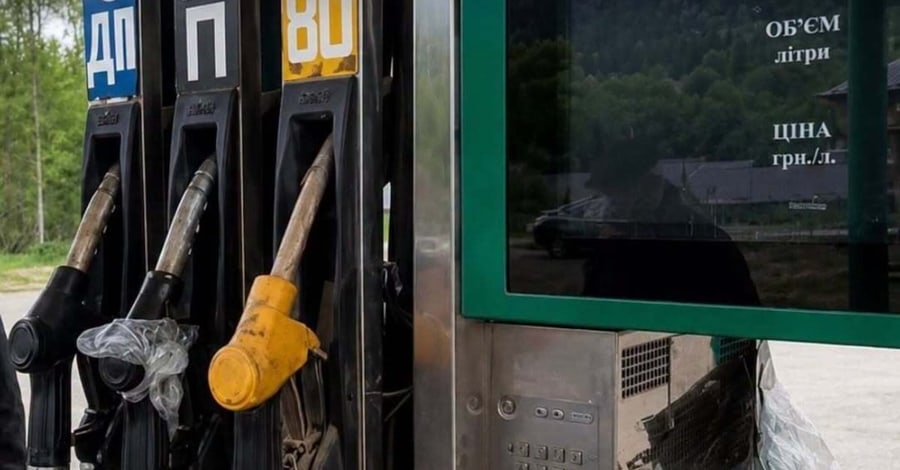
Investigation into sale of counterfeit diesel fuel in Putyla completed
Detectives secured evidence of the illegal sale of fuel that did not meet standards at a gas station in Chernivtsi Oblast.
Detectives secured evidence of the illegal sale of fuel that did not meet standards at a gas station in Chernivtsi Oblast.
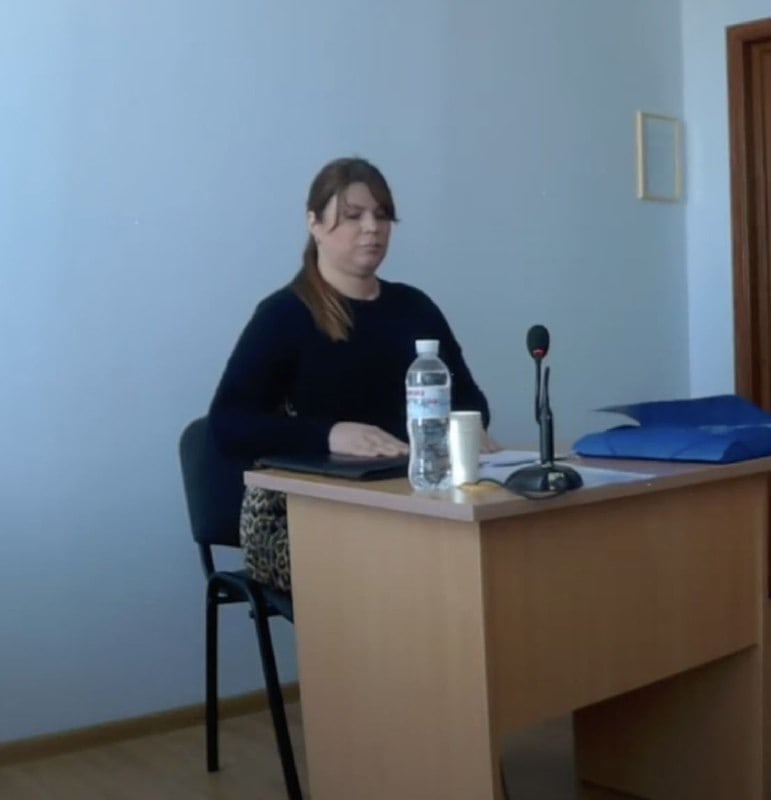
Iryna Hryshchenko, former deputy head of Kharkiv's Dzerzhynskyi District Court, was sentenced to eight years in prison for receiving a $4,000 bribe.

Zakarpattia District Administrative Court ruled that Territorial Recruitment and Social Support Centres have no right to check students' academic performance or attendance to cancel deferments.
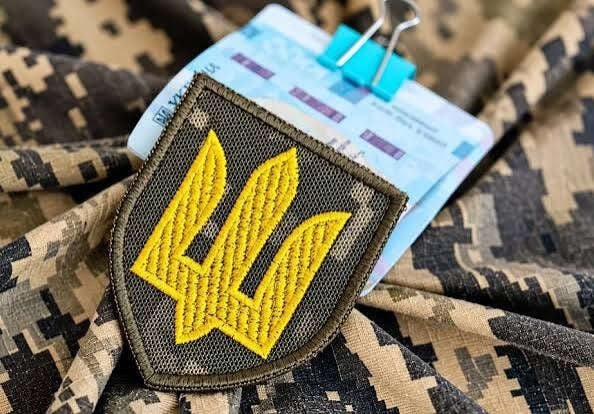
According to social media reports, in Odesa Oblast, a man who ordered a ride was forcibly put into a car by representatives of the Territorial Centre for Recruitment, leaving a woman with a child on the street.

US bank JPMorgan Chase plans to expand its financial advisory team in Europe, the Middle East and Africa, using artificial intelligence to automate routine processes instead of mass layoffs.

Against the backdrop of "Finekspres" losses, the institution's owner placed a large sum in a deposit. We analyse financial indicators, contracts with "Ukrposhta" and corporate intersections with participants in the criminal case.
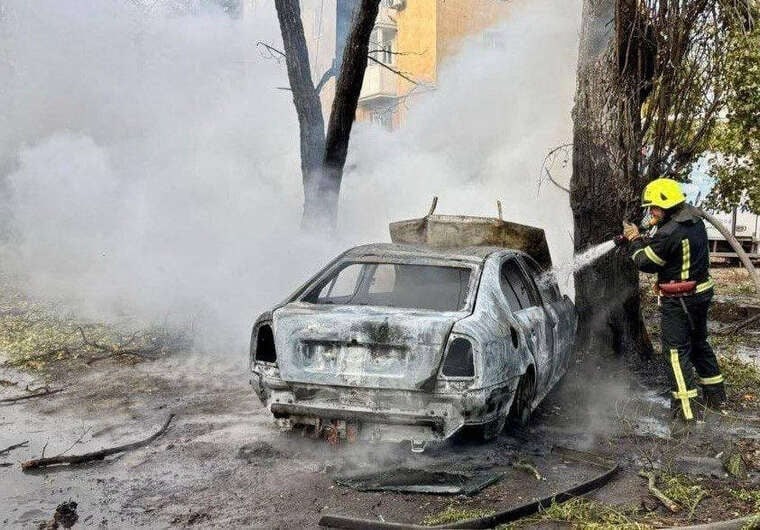
A Russian drone struck Pavlohrad, killing one person and injuring three, including two 10-year-old girls.
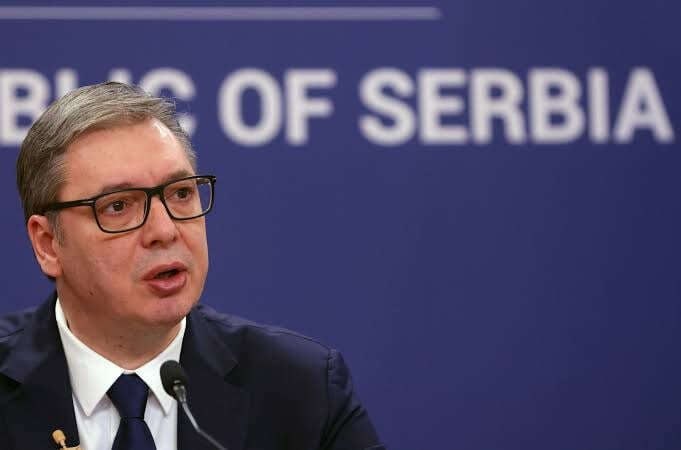
The opposition movement refuted President Vucic's remarks, stating that the partnership with Russia will be maintained and there are no plans to introduce sanctions.
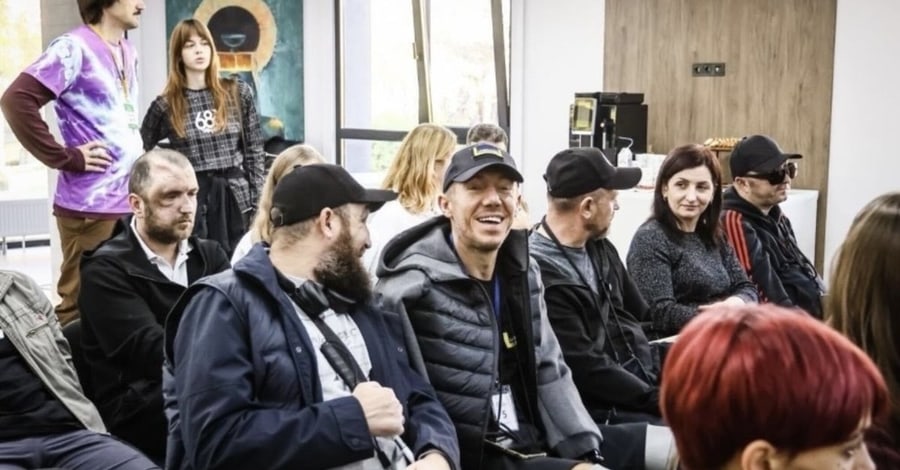
Four new technological solutions, developed specifically for people who sustained severe injuries during the war, were presented in Lviv. These innovations aim to restore independence in daily life for veterans and people with disabilities.
The first Inclusive Technologies Hackathon took place in Lviv on 24–25 October. The event brought together 24 students from leading Kyiv universities, veterans, patients of the UNBROKEN National Rehabilitation Centre, doctors, occupational therapists, and engineers. The organisers were the Tychia Foundation, the UNBROKEN centre, and the Ukrainian technology company Esper LLC.
A key feature of the event was its practical approach: tasks for the teams were formulated based on the real needs of people undergoing treatment and rehabilitation after war injuries.
Over two days, participants worked in four teams, each presenting its own technological solution:
The organisers prioritised the further development of the presented technologies. The Tychia Foundation plans to assess the potential for practical application of the prototypes and consider funding the production of the first limited batches of devices. This will allow the developments to be tested in real conditions and verify how well they meet the needs of future users.
Yuna Chase, Chair of the Board of the Tychia Foundation, emphasised that charitable initiatives must not only help overcome the consequences of the war but also offer long-term solutions for people with severe injuries.
«Важливо поєднувати практичні потреби ветеранів та пацієнтів із можливостями українських інженерів та розробників. Фундація готова підтримувати удосконалення перспективних проектів, щоб створені технології могли використовуватись у повсякденній житті», — зазначила вона. (It is important to combine the practical needs of veterans and patients with the capabilities of Ukrainian engineers and developers. The Foundation is ready to support the improvement of promising projects so that the created technologies can be used in everyday life), she noted.
Participation in the hackathon was a continuation of the Tychia Foundation's activities, which already implements charitable projects related to prosthetics for military personnel, equipping medical facilities, and helping people affected by the war.
The technology partner for the event was Esper LLC, which develops the Esper Hand biological prostheses. Company representatives helped students take into account the needs of future users while working on the prototypes.
On 25 October, the teams presented the results of their work. The next stage will be assessing the potential for practical application of the developments, their technical refinement, and finding ways to implement them. The organisers hope that these solutions will turn into accessible Ukrainian technologies that will help veterans and people with severe injuries regain their independence.
Comments
No comments yet. Be the first!