
Ruslan Oliinyk resigns from post of Deputy Minister of Restoration
Deputy Minister of Restoration of Ukraine Ruslan Oliinyk announced his resignation, explaining it as a personal and well-considered decision.
Deputy Minister of Restoration of Ukraine Ruslan Oliinyk announced his resignation, explaining it as a personal and well-considered decision.

Elon Musk highlighted the potential of orbital computing power following a setback in the Texas elections, where the new governor pledged not to approve new data centres.
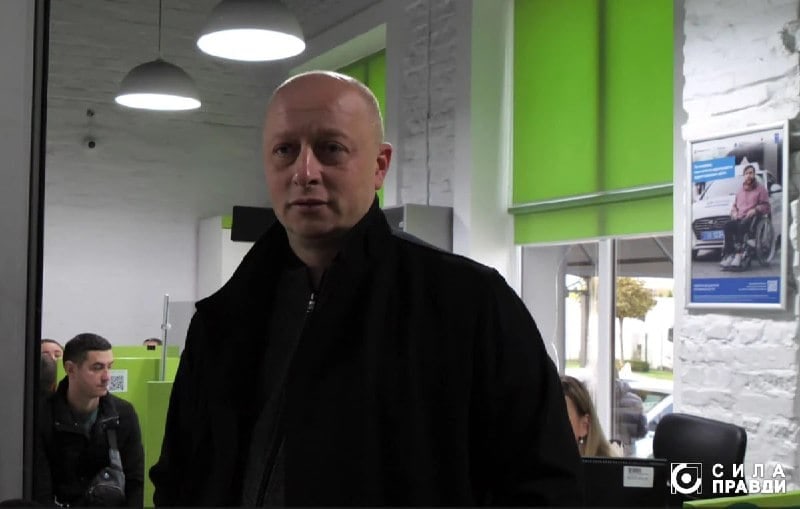
The Security Service of Ukraine is reviewing the activities of the head of a transport service centre near Lutsk. His direct supervisor, who was also previously searched, arrived at the scene of the investigative actions.

State bodies filed a series of lawsuits against the company for violating delivery deadlines under defence contracts.
Law enforcement have completed the investigation into officials of the Southern Interregional Directorate of the State Labour Service who demanded money for permits and exams.
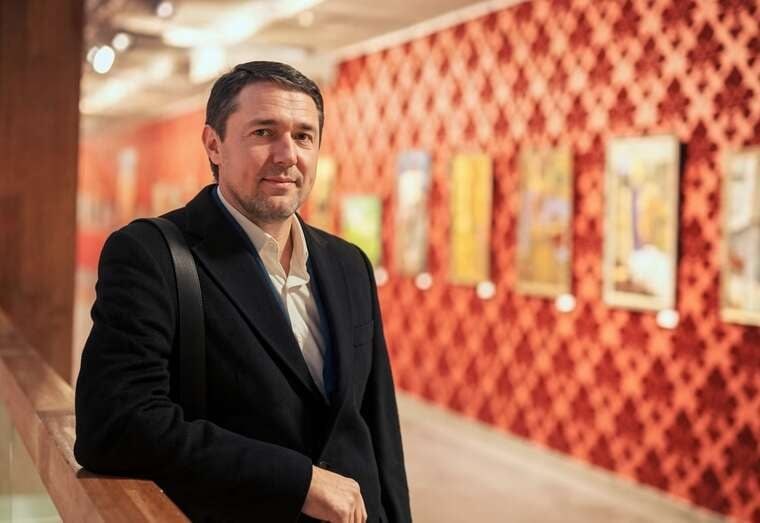
NABU and SAP documented how Petro Kravchenko demanded an improper benefit in exchange for promising a favourable ruling in a case involving driving under the influence.
A structure operating in the capital's centre is accused of organising fraudulent calls and human trafficking. Daniil Glurdzhidze-Menshov is named as the head of the project.
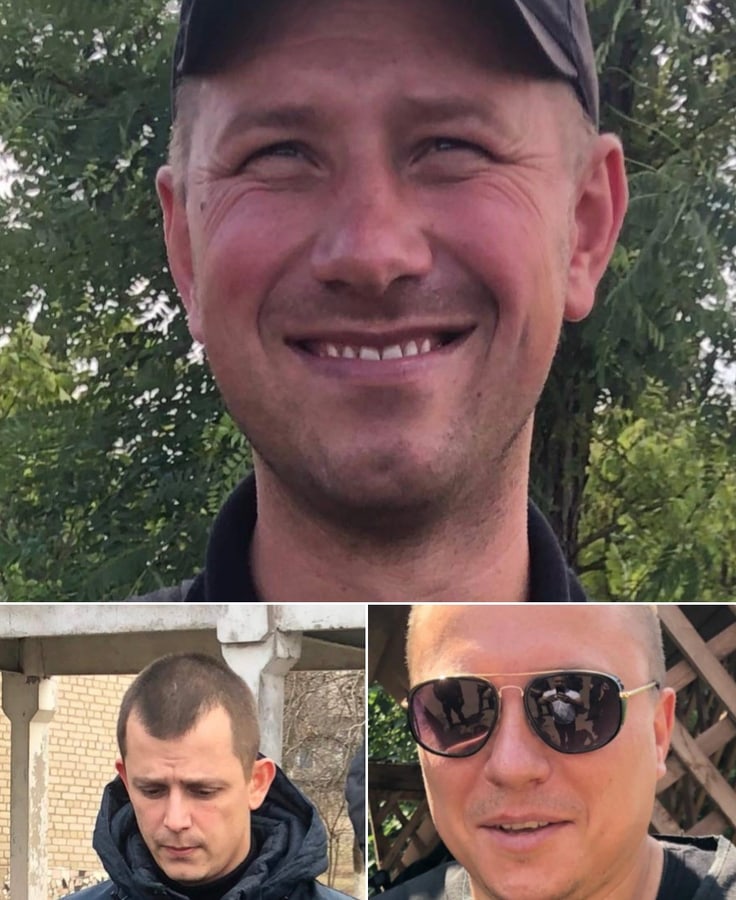
Andrii Tabunshchykov and three subordinates received at least one million dollars from fraudulent call centres in Dnipro and Kryvyi Rih.
On 4 November, officers of the Rivne regional department of the Security Service of Ukraine conducted searches at the premises of MVS Transport Service Centre No. 0741, located in the village of Strumivka near Lutsk, as well as at the home of the facility's head, Volodymyr Shevchuk, in the village of Kulchyin. This property is registered in the name of his wife, Oksana. Law enforcement officers worked in the official's office. After the investigative actions were completed, Shevchuk, accompanied by a lawyer, representatives of the SBU and the National Police Internal Security Department, left the office.
Pavlo Kovalchuk, who holds the position of Deputy Head of the Regional Service Centre of the MVS for Rivne, Volyn and Zhytomyr regions, arrived at the scene. He confirmed that the searches are being conducted within the framework of an open criminal case, but refused to disclose details of the matter. Anna Svintsitska, the SBU spokesperson for Rivne region, also confirmed the fact of the investigative actions but did not comment on whether they relate to a specific service centre head.
This is not the first time law enforcement have paid attention to this group of individuals. In January 2026, searches were already conducted at both the workplace and residence of Pavlo Kovalchuk, as well as at Volodymyr Shevchuk's. At that time, the police stated that the actions were being carried out within the framework of a criminal case, but no one was formally charged. According to sources, it concerned a possible corruption scheme linked to practical driving tests for obtaining a driver's licence. The approximate cost of such a "service" was around 300 US dollars.
At that time, Kovalchuk stated that he "understands why this was done" and advised looking for the complainant. For nearly ten months after these events, no charges were filed, no positions were removed, and Kovalchuk continues to perform his duties in a leadership role, visiting subordinates even during new searches.
Pavlo Kovalchuk is a former employee of the Dnipro UBOS and controls a number of individuals in service centres. His subordinates include:
The typical scheme in MVS service centres (former MREOs) involves control over practical tests, the involvement of "arranged" examiners, expedited registration and re-registration of vehicles, as well as assistance with obtaining number plates. Financial flows are realised in cash or through intermediaries. The regional-level head (Kovalchuk) has levers of influence over personnel appointments, inspections and "closing" problems, while local heads (the Shevchuks) directly carry out the operations.
Particularly indicative is the situation where a person who was themselves the subject of searches calmly arrives at Shevchuk's searches and retains his position. This indicates either the weakness of the proceedings or the presence of protection at a level that allows maintaining control over the system even during investigative actions.
In parallel, Pavlo Kovalchuk figures in a story involving cryptocurrency. He declared significant assets on the WhiteBIT exchange (WhiteBIT Coin, Tether, Sleepless AI Token) with a total declared value of approximately 7.8–8 million UAH. Following media publications, the National Agency on Corruption Prevention conducted a review and established inaccurate information amounting to nearly 7.87 million UAH. The NACP conclusion: crypto assets are not confirmed by proper evidence, which may indicate their absence in the declared volume. Kovalchuk explained the origin of the funds through investments via a fund in Hong Kong and the sale of real estate.
Kovalchuk entered civil service in the summer of 2024 from business. Initially, he took the position of Chief Specialist of the sector on corruption prevention in the same service centre, and then quickly rose to deputy head of the regional level. Volodymyr Shevchuk was appointed head despite having previously worked as a cleaner. It is also known that Kovalchuk cleared him in a case of drunk driving.
The management of the Main Service Centre of the MVS does not comment on personnel decisions, so the situation remains uncertain. However, the very fact that a person who has already been subject to reviews continues to lead the unit and visit subordinates during searches indicates the actual state of control in this system.
Comments
No comments yet. Be the first!