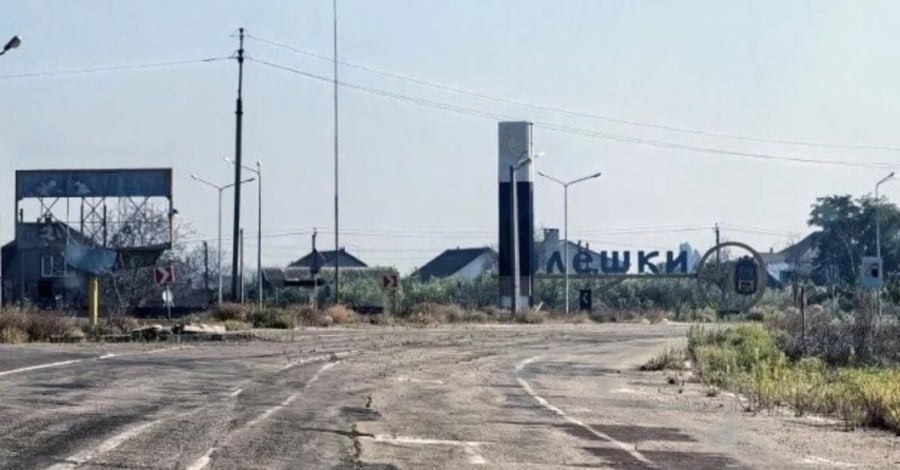
Start of humanitarian operation in Oleshky
At 03:00 Kyiv time on 27 October 2026, a ceasefire regime began in the area of the temporarily occupied Oleshky in Kherson region. This agreement provides for the delivery of necessary resources to the local population and the creation of conditions for the safe departure of civilians from the city. The launch of the operation was announced by the Parliamentary Commissioner for Human Rights, Dmytro Lubinets, and the General Staff of the Armed Forces of Ukraine. Similar information was also confirmed by the Ministry of Defence of the Russian Federation.
Details of agreements and mediation
According to Ombudsman Dmytro Lubinets, the parties reached an agreement during negotiations with the Russian Commissioner for Human Rights, Yana Lantratova.
«Сьогодні о 3:00 за київським часом та о 4:00 за московським на визначених територіях, пов'язаних із проведенням гуманітарної місії, запроваджено режим припинення вогню» (Today at 3:00 Kyiv time and 4:00 Moscow time, a ceasefire regime has been introduced in the designated territories associated with the implementation of the humanitarian mission), he stated.
Lubinets added that the terms are being observed, and the mission itself is taking place under the mediation and coordination of the First Lady of the United States, Melania Trump. The General Staff clarified that the ceasefire is of an exclusively humanitarian nature: it concerns meeting the needs of people who have remained in Oleshky and preparing for their free movement.
General Staff appeal regarding information security
The Ukrainian military command appealed to citizens to be cautious during the operation. The General Staff emphasised that the spread of unverified data could create additional threats to the lives of civilians and mission participants.
Ukrainians were urged not to publish information about routes, times, and places of movement of people and humanitarian convoys. Citizens are asked to rely only on official sources.
«Закликаємо усіх у цей період бути особливо обачними щодо інформації, яку ви отримуєте і поширюєте» (We call on everyone to be particularly cautious regarding the information you receive and disseminate during this period), the General Staff stressed.
Military officials assured that the Defence Forces are working to ensure the safety and rescue of Oleshky residents.
Coordination of actions on the ground
The Head of the Presidential Office, Kyrylo Budanov, reported on the declaration of a bilateral ceasefire in the mission area. He noted that Dmytro Lubinets had travelled to the site of the operation, where he would take responsibility for coordinating the process.
«Уповноважений Верховної Ради з прав людини Дмитро Лубінець виїхав на місце – відповідатиме за координацію процесу. Ми з ним у постійній взаємодії» (The Parliamentary Commissioner for Human Rights, Dmytro Lubinets, has travelled to the site – he will be responsible for coordinating the process. We are in constant interaction with him), Budanov said.
The main task, according to him, remains the safe implementation of the mission and the rescue of civilians. Lubinets himself promised to inform the public about the further course of events, but emphasised that when publishing information, the safety of people and the need to comply with the agreements would be taken into account.
Context of the humanitarian crisis
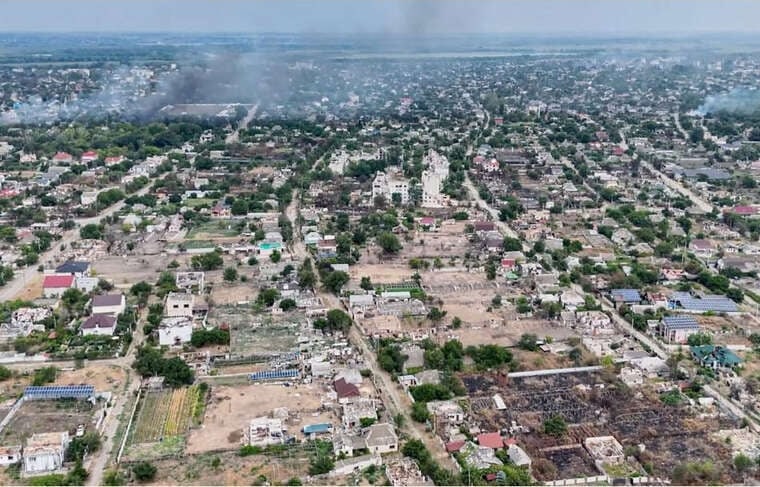
Oleshky has been under the control of Russian occupiers since the first days of the full-scale invasion. In the spring of 2026, the situation in the city deteriorated significantly. According to earlier data, around two thousand residents were left without proper access to food, drinking water, and medicines, and departure to Ukrainian-controlled territory was complicated.
On 19 October, Dmytro Lubinets reported that the parties were approaching the agreement on the final details of the evacuation. On 24 October, the Ombudsman clarified that the silence regime on 27 October was to cover not only Oleshky but also other territories necessary for the operation.
As of the announcement of the ceasefire, the exact number of people who could leave had not yet been disclosed. According to estimates by the Ukrainian side, around 6,000 civilians, including up to 200 children, may be in Oleshky and six neighbouring settlements.
Earlier, Vice-President of the European Parliament, Pina Picherino, declared a hunger strike, demanding the establishment of a humanitarian truce, the delivery of food and medicines, and the safe evacuation of residents of the occupied city.



Comments
No comments yet. Be the first!