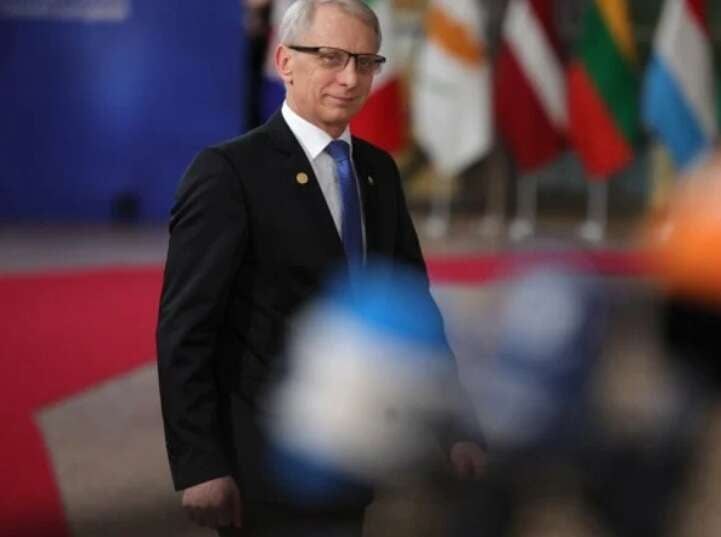
Bulgaria refuses to fund lethal weapons for Ukraine via European Peace Facility
Sofia's cabinet announced a shift to exclusively non-lethal support for Ukraine under the EPF, citing the desire to launch diplomatic negotiations.
Sofia's cabinet announced a shift to exclusively non-lethal support for Ukraine under the EPF, citing the desire to launch diplomatic negotiations.
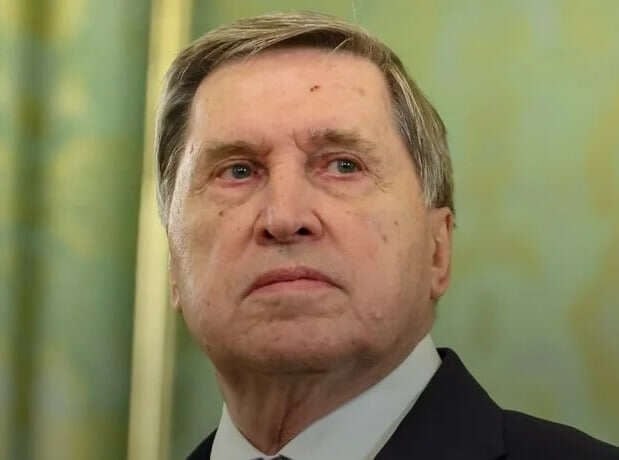
Russian presidential aide stated that Beijing is working on organising top-level talks, which may take place within the framework of the Asia-Pacific Economic Cooperation summit in Shenzhen.

Law enforcement uncovered a scheme in which the suspect promised to arrange drone operator service and a foreign assignment to evade mobilisation.

Russian troops attacked critical infrastructure in Zhytomyr Oblast. Preliminary data indicates no casualties.

Due to satellite communication restrictions, one Ukrainian military unit was forced to suspend combat operations for three days and lost a significant number of drones.

The new Call of Duty video game depicts Moscow organising a North Korean invasion of the South to divert NATO's attention and launch operations in Europe.
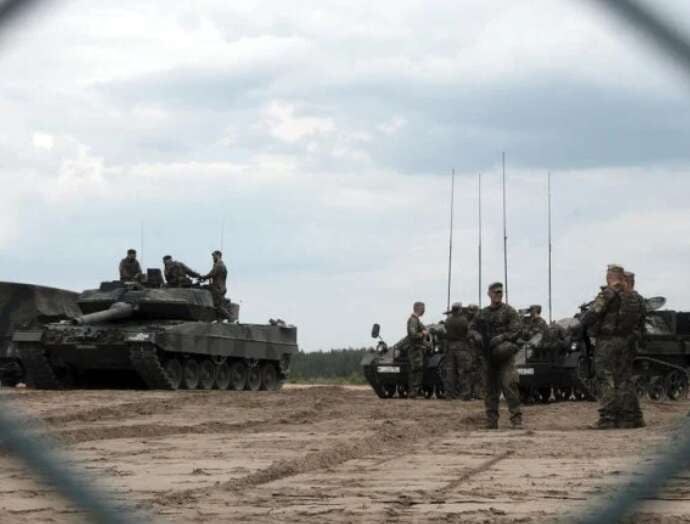
Internal documents from the German Armed Forces record an escalation in the security situation following a series of drone incidents.

The railway has announced the launch of three new cross-border services. Special attention is given to the route to Holm, which has been named after the outstanding Ukrainian historian.
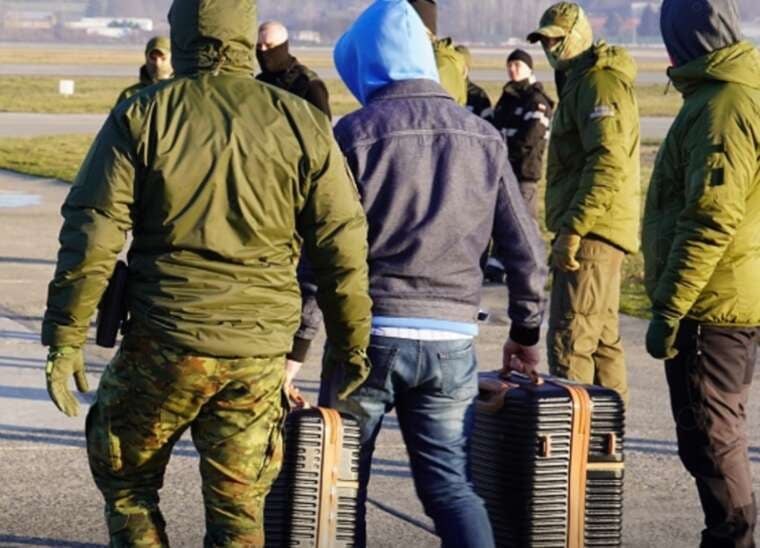
The Polish government has achieved significant changes in the field of migration. Prime Minister Donald Tusk, in a video address published on the social network X, reported that the number of visas issued has decreased by 87% compared to 2022.
In addition, work permits for foreigners have decreased by 69%, and student visas by 65%.
Meanwhile, according to the head of government, the number of deportations has increased by 200%.
Tusk linked these results to the strengthening of border control and changes in migration policy. He particularly emphasised the situation on the eastern border with Belarus.
According to his data, more than 20,000 cases of successful illegal border crossings were recorded in 2022. In contrast, no such incidents have been registered in 2026.
The Prime Minister sharply criticised the actions of the previous government of the Law and Justice party (PiS), which was in power from 2018 to 2023.
Tusk claims that at that time Poland issued approximately one million visas annually. According to him, the previous authorities allowed the entry of about 3,000 legal migrants daily, while control on the eastern border was insufficient.
The head of government mentioned migration challenges in Western Europe, specifically the riots in France and the crisis in the Spanish enclave of Ceuta.
He noted that Poland, Italy, and Denmark proposed including provisions in the final documents of the EU summit in Brussels aimed at changing the pan-European approach to migration.
Tusk hopes that Western European countries will review their policies. He emphasised that the migration strategy must be based on legality and the protection of state territory, rather than the spread of public fears and xenophobia, and expressed hope that Warsaw's approach will become a benchmark for the entire European Union.
Comments
No comments yet. Be the first!