Official confirmation from Ankara
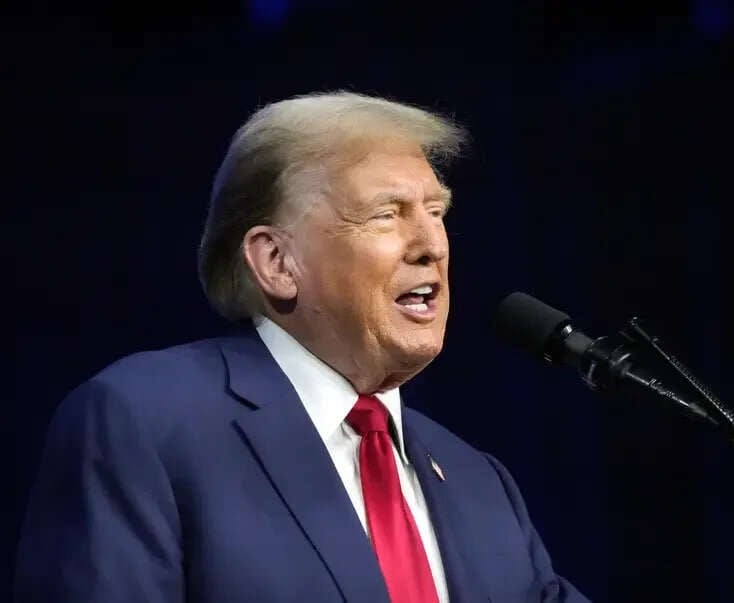
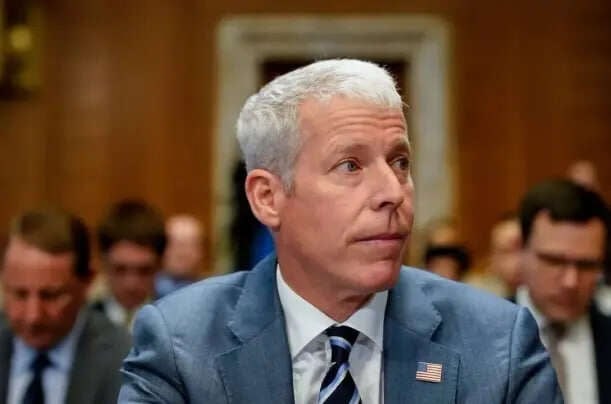
Turkey intends to become a consumer of a portion of Russian diesel fuel that will be exported to international markets in accordance with agreements concluded with US President Donald Trump. This was announced by Turkish Energy Minister Alparslan Bayraktar, as reported by Reuters.
According to the head of the ministry, receiving Russian diesel is an important element in ensuring the republic's energy security.
“Within the framework of the negotiations we have conducted, we will take a portion of this diesel fuel to Turkey,” Bayraktar emphasised.
Meanwhile, the minister did not provide specific data on the volumes of future purchases, nor did he disclose the commercial terms under which the supply will take place.
Energy policy context
Today, Turkey imports energy resources from various sources, including Russia, Iran and Azerbaijan. At the same time, Ankara seeks to diversify supplies by expanding cooperation with the US and other international partners.
It is worth noting that the agreements on the possibility of exporting Russian diesel fuel have already been criticised. They were criticised by Ukrainian President Volodymyr Zelensky, a number of European officials, as well as certain representatives of the US Republican Party.
Sanctions changes in the US and Moscow's plans
The decision to supply became possible after the US temporarily eased sanctions restrictions. The US Department of the Treasury issued a licence allowing the export of Russian diesel fuel until 7 April 2027. This opens up additional opportunities for Moscow to expand sales in the global market.
Russian authorities state their intention to restore diesel fuel exports to a level of 3–3.5 million tonnes per month by the end of the current year. The Kremlin hopes not only to return to pre-crisis indicators but also to exceed them.
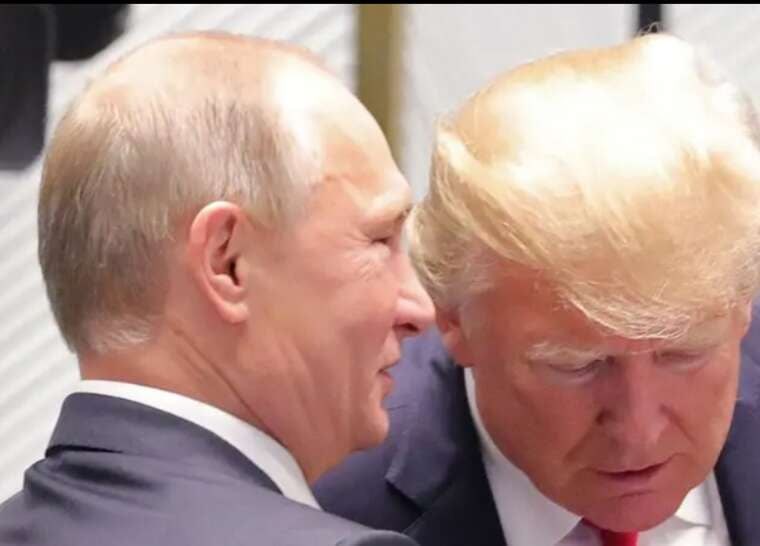
In addition, Donald Trump signed an order suspending certain sanctions measures against Russia. In particular, this concerns restrictions related to tariffs and limitations on countries and companies purchasing Russian energy carriers.



Comments
No comments yet. Be the first!