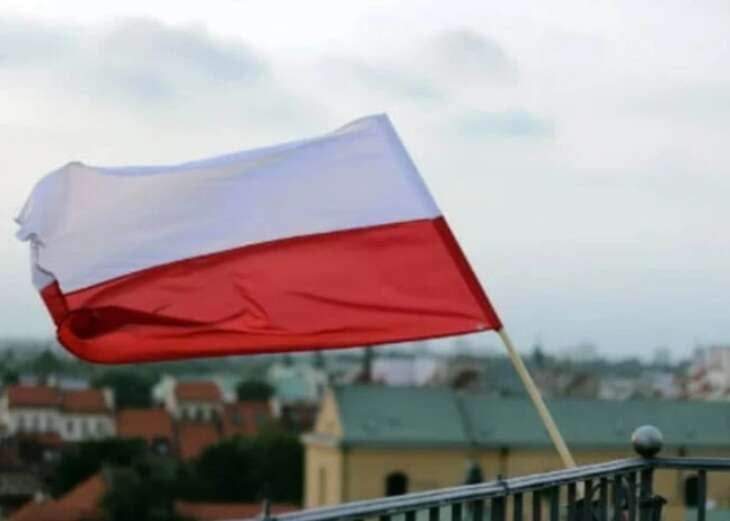
Poland, Romania and Latvia become main targets of Russian sabotage in Europe
Investigation by SVT and the European Broadcasting Union revealed at least 54 physical attacks and likely sabotage plans in Europe from April to October 2026.
Investigation by SVT and the European Broadcasting Union revealed at least 54 physical attacks and likely sabotage plans in Europe from April to October 2026.

The blogger described in detail how her partner disappeared after a motorcycle riding lesson and how the events unfolded regarding the ransom demand.
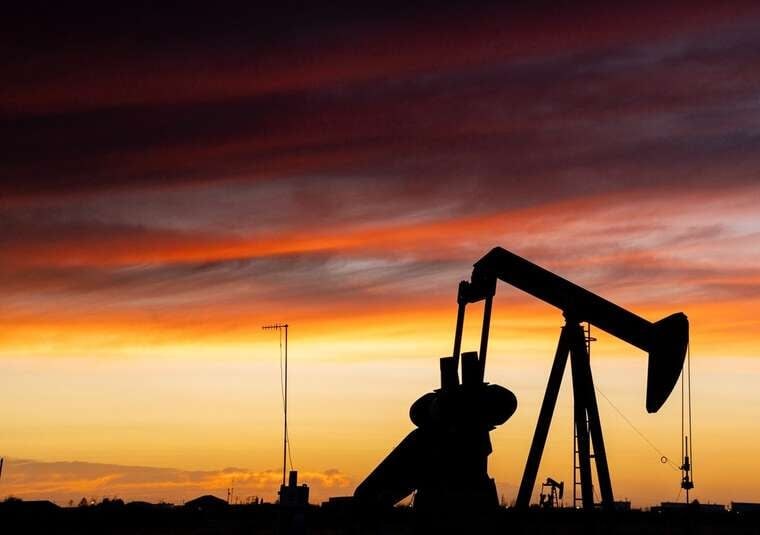
From 2027, Singapore will begin storing Saudi oil in rock caverns on Jurong Island. The storage capacity will reach 9 million barrels.
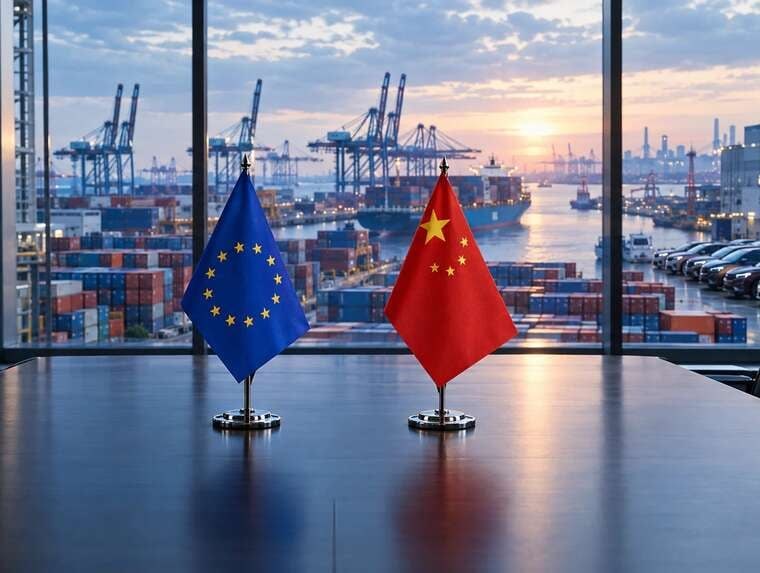
The European Commission is preparing protective measures against cheap imports from China to reduce the trade deficit, which could reach €400 billion.
The higher court upheld the decision to seize the housing and land plots belonging to the mother of the head of the customs clearance sector.
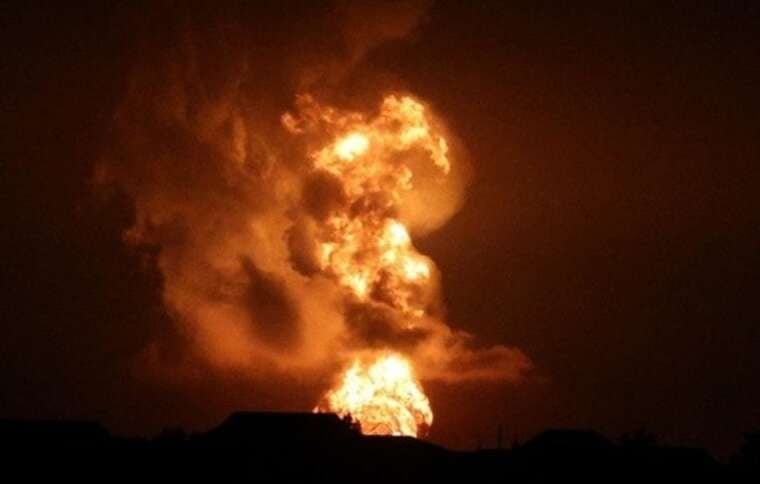
A massive fire broke out in the Desniansky district following a munition impact, damaging and destroying vehicles parked near the station.
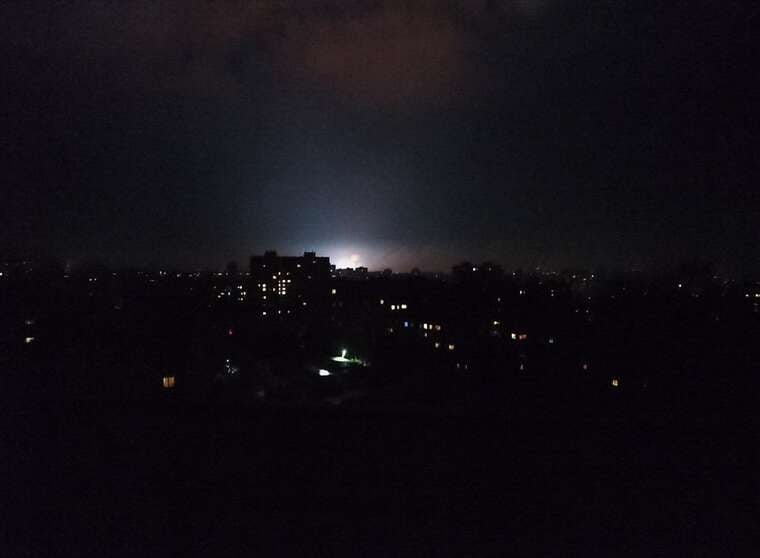
Kyiv Mayor Vitali Klitschko reported at least four deaths and seven injuries following a ballistic strike on the DTEU campus.
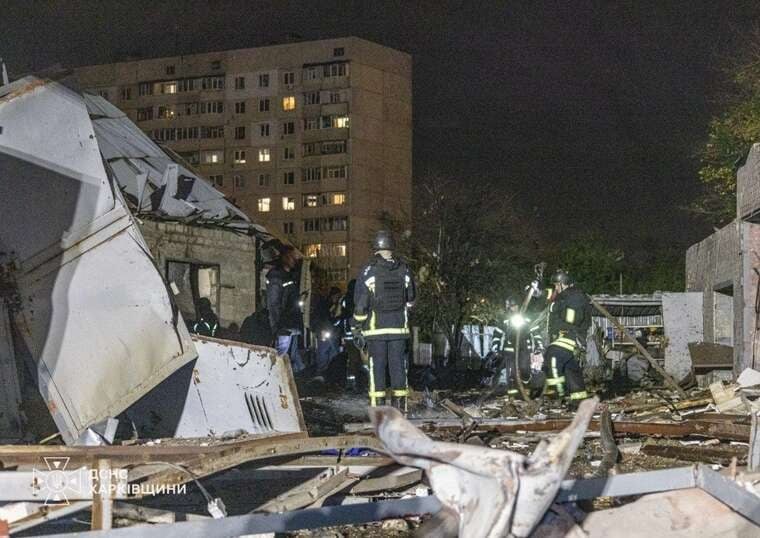
DSNS released footage of the aftermath of the attack on Nova Bavaria. Two people were killed in the incident, and four others were injured.
A sharp decline in resource costs has been recorded on the Ukrainian electricity market. The average "day-ahead" price in the Unified Energy System (UES) of Ukraine for the period from 19 to 23 October 2026 stood at UAH 3,153/MWh. For comparison, a week earlier, from 12 to 16 October, this indicator was UAH 6,242/MWh. This dynamic appears paradoxical, given the regular shelling of energy infrastructure, although experts point to specific causes of this phenomenon.
First of all, in October, several nuclear power plant units were brought back into operation after maintenance work. This allowed generation volumes to increase from 5.3 to 7.5 GW. Secondly, there is a significant decrease in demand compared to the same period last year. This is related to the decline in industrial production, the shutdown of a number of metallurgical plants and data centres, as well as relatively warm weather. Thirdly, hydroelectric power plants play an active role, providing up to 10 million kW per day. Collectively, these factors led to an increase in supply against the backdrop of reduced consumption.
Sources in the energy market warn that the current situation may have negative consequences for the sector with the onset of the cold season. As an insider notes, statements about a "generation surplus" are misleading, as this is similar to an "average hospital temperature," while a power deficit already exists in central and eastern regions of Ukraine.
«Коли говорять про профіцит генерації, то це все одно що середня температура по лікарні. У центральних і східних регіонах України вже спостерігається дефіцит електроенергії. Постановою НКРЕКП №1650 від 13 жовтня 2026 року було розширено перелік генеруючих установок, що отримують державну підтримку. Це відбувається на тлі зростання цін на природний газ і падіння ринкових цін на електроенергію, які в окремих виробників не покривають навіть паливну складову собівартості. У результаті складається критична ситуація: держава змушена збільшувати витрати на підтримку генерації, а різке зниження ринкових цін позбавляє виробників коштів, необхідних для поточної роботи, ремонтів і відновлення обладнання після обстрілів. Подальше збереження такої цінової ситуації створює ризики зупинки нерентабельних потужностей, погіршення дефіциту та зниження стійкості енергосистеми. Вже взимку країна може зіткнутися не з профіцитом, а з гострим дефіцитом електроенергії. При цьому у мінусі опиняються ті, хто відгукнувся на заклики влади й вклався в розподілену генерацію, щоб підвищити стійкість системи» (When they talk about a generation surplus, it is the same as an average hospital temperature. A power deficit is already observed in central and eastern regions of Ukraine. By Resolution No. 1650 of the NRECU dated 13 October 2026, the list of generating units receiving state support was expanded. This is happening against the backdrop of rising natural gas prices and falling market electricity prices, which for some producers do not even cover the fuel component of the cost price. As a result, a critical situation is developing: the state is forced to increase spending on supporting generation, while the sharp drop in market prices deprives producers of the funds necessary for current operations, repairs, and equipment restoration after shelling. Further maintenance of such a price situation creates risks of shutting down unprofitable capacities, worsening the deficit, and reducing the resilience of the energy system. Already in winter, the country may face not a surplus, but an acute electricity deficit. At the same time, those who responded to the government's calls and invested in distributed generation to increase system resilience are left at a loss), the source says.
According to him, there are several versions of the causes of such market imbalance. The first is related to the unprofessionalism of officials responsible for the sector who do not take into account the real balance of supply and demand. The second version points to a possible conspiracy by the largest market players to squeeze out smaller competitors.
«Згідно з першою, це наслідок непрофесіоналізму чиновників, відповідальних за галузь і не враховують реальний баланс попиту й пропозиції. Згідно з другою версією, йдеться про змову найбільших гравців ринку з метою витіснення дрібніших конкурентів. У будь-якому разі відповідальність лежить на профільних керівниках — міністрі енергетики Шмигалі та керівництві НКРЕ» (According to the first, this is a consequence of the unprofessionalism of officials responsible for the sector who do not take into account the real balance of supply and demand. According to the second version, it is a matter of a conspiracy by the largest market players to squeeze out smaller competitors. In any case, responsibility lies with the relevant heads — Energy Minister Shmygal and the management of the NRECU), the source notes.
Comments
No comments yet. Be the first!