US lawmakers demand Trump maintain sanctions against Russia until 18 October
A bipartisan group of House of Representatives members warned the US president against easing pressure on Moscow and insisted on implementing sanctions under the Grea
A bipartisan group of House of Representatives members warned the US president against easing pressure on Moscow and insisted on implementing sanctions under the Grea

Criminals create fake online stores to steal card data. An expert explained how to spot the trap and protect your funds.
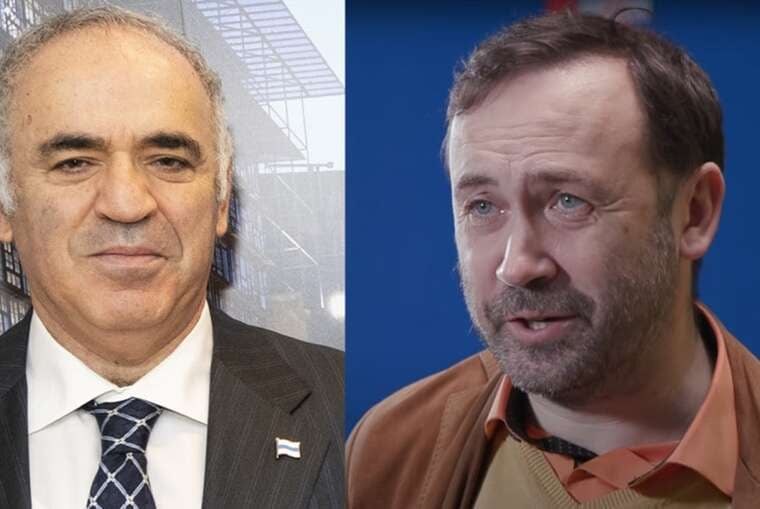
US and Lithuanian authorities warned of threats to the lives of Kasparov, Ponomaryov and other figures. The criminal network used code phrases and mercenaries to carry out the plans.
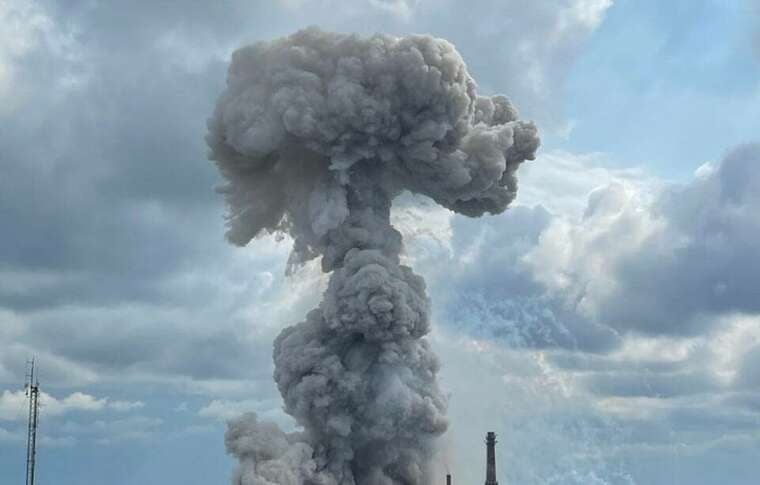
On the afternoon of 30 September, an explosion was recorded in the port area of the Russian city of Kaspiysk. Local residents saw thick smoke rising into the sky; the cause of the incident may be an attack.

Lithuanian Prime Minister Mindaugas Sinkevičius announced the state's readiness to cover the costs of the US contingent's deployment, a reaction to heightened security threats in the region.
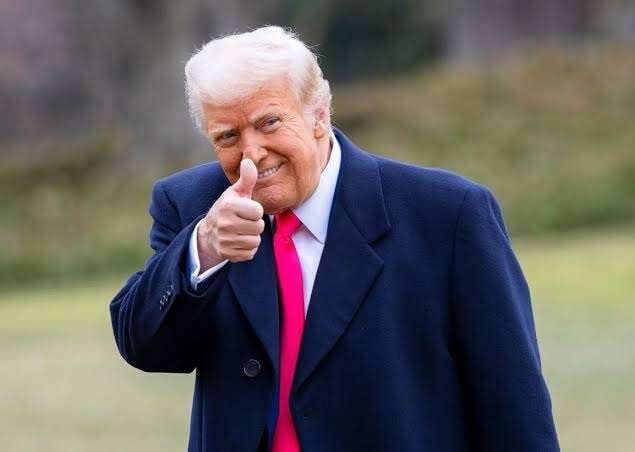
US President plans to officially enshrine the new technology name in government documents, citing the inaccuracy of the epithet 'artificial'.

Investigators are examining the involvement of exchange point owners in the illegal transfer of substantial funds abroad in 2022.
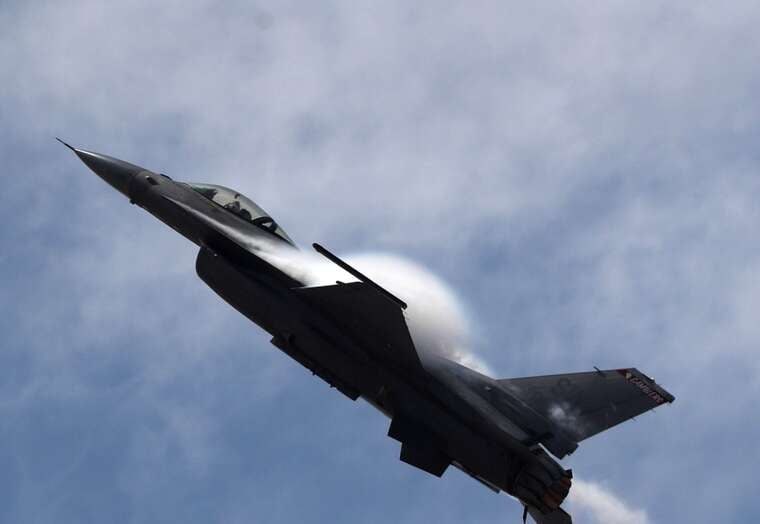
The Wall Street Journal reported that technical issues at a Belgian service centre have grounded more than half of Ukraine's F-16 fighter jets.
US leader Donald Trump announced his intention to sign an executive order mandating the use of the term “суперінтелект” (Super Intelligence, SI) instead of the familiar “штучного інтелекту” (Artificial Intelligence, AI) in official administration papers. This statement was made on 29 September at the presentation of the new state resource America.gov.
«Подібні інновації в уряді — це лише передвісник того, що можливе завдяки суперінтелекту, або SI, і це офіційна назва в Сполучених Штатах. Я підпишу дуже потужний виконавчий указ» (Such innovations in government are just a harbinger of what is possible thanks to superintelligence, or SI, and this is the official name in the United States. I will sign a very powerful executive order), the president emphasised.
Trump justified his decision by stating that the English word artificial forms a false impression of the essence of the technology.
The idea to change the technology's name was first voiced by the president on 22 September during his speech at the UN General Assembly. At that time, he also stated that the term Super Intelligence should dominate in American documents instead of Artificial Intelligence.
Following these remarks, the US Department of State began implementing new standards. Employees of the Bureau of International Organizations were ordered to replace all mentions of the old name with the new one in official positions, speeches, press releases, and internal documents.
As of 29 September, the information concerned the announcement of the future order. However, on the same day, a voluntary agreement was signed at the White House between Trump and the leadership of leading IT companies regarding the control of technology development.
According to Associated Press, representatives of Google, Meta, OpenAI, Anthropic, Nvidia, and xAI joined the agreement. The deal provides that companies will implement internal control systems, independent external audits, and oversight mechanisms at the board of directors level.
The US President characterised this agreement as “morally obligatory”. He supports the position that technology corporations should take on the primary responsibility for self-regulating AI development, rather than relying on extensive state regulation.
Comments
No comments yet. Be the first!