On Sunday, 25 October, Serbian citizens are voting in early parliamentary elections. The aim is to elect 250 members of the National Assembly. This political event is taking place against the backdrop of a prolonged wave of student protests, which began following a tragic accident at the railway station in Novi Sad. High activity has been observed since the first hours of the day: by 09:00 local time, turnout had reached 12%.
Two-hour queues and high turnout
Polling stations opened at 07:00. Approximately 6.4 million registered voters are eligible to vote. According to data from sociological firms CeSID and Ipsos, 12% of citizens had cast their votes by 9 am. For comparison, at the 2023 parliamentary elections, turnout during the same period was only 5.2%.
Significant queues near polling stations are being recorded in various regions of the country. Serbian President Aleksandar Vučić, accompanied by his wife, came to vote in Belgrade. Due to the large crowd, he had to wait for almost two hours. After casting his vote, Vučić expressed hope that the day would pass peacefully and that his political force would respect the results of the vote.
Key players in the electoral race
Eighteen electoral lists are participating in the vote. The main confrontation has unfolded between the Serbian Progressive Party (SNS), associated with Aleksandar Vučić, and the "Student List", which formed on the wave of the protest movement.
SNS, which has long remained the leading force in the country, is focusing its campaign on themes of economic development, wage and pension growth, infrastructure projects, and ensuring stability. In contrast, the "Student List" is demanding political changes, strengthened anti-corruption efforts, and accountability for officials.
Several opposition parties have decided not to put forward their own candidates and have called on supporters to back the student movement. The latest Ipsos poll, published on 22 October, recorded 47% support for SNS and 40% for the "Student List". Meanwhile, other studies showed an almost equal level of support for the two main forces. A general electoral threshold of 3% has been set for entry into parliament.
Causes of the political crisis
The escalation of the conflict in Serbia began after the tragedy of 1 November 2024 in Novi Sad. A concrete canopy collapsed at the railway station, resulting in the deaths of 16 people. This disaster sparked mass protests, with participants demanding a thorough investigation into the circumstances of the accident and the establishment of official accountability.
Protesters linked the tragedy to probable corruption and deficiencies in the control of construction works. Gradually, student actions evolved into a large-scale movement for political change, which became the basis for the creation of a new electoral list that now competes with the ruling party.
Expectations regarding the results
Voting will continue until 20:00 local time. The first preliminary results are expected at approximately 22:00. The distribution of the 250 parliamentary mandates will determine whether SNS can form a government on its own or will have to seek compromises with other political forces. The final composition of the parliament will be determined after the official counting of votes.
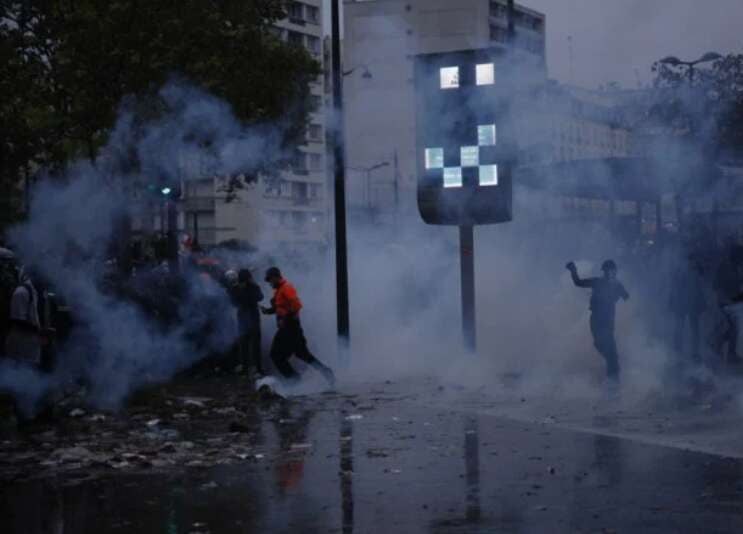
Previously, mass student protests in Serbia were known to have taken place on New Year's Eve, when thousands of people took to the streets of Belgrade, Niš, Novi Sad, and Kragujevac, demanding an investigation into the station tragedy and the publication of documents regarding its reconstruction. Also, in March 2025, the Serbian parliament approved the resignation of Miloš Vučević's government after several months of protests. In June 2025, large-scale actions took place in Belgrade, during which tens of thousands of demonstrators demanded early elections, followed by clashes with police and the detention of participants after the rally.




Comments
No comments yet. Be the first!