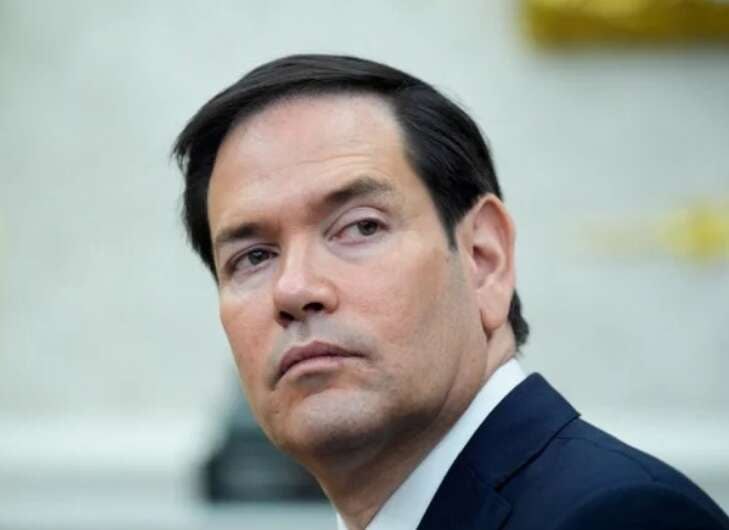
US Secretary of State Marco Rubio deliberately used information about possible contacts between Nvidia chief Jensen Huang and a suspected Chinese spy to undermine his standing with President Donald Trump. The primary aim of these actions was to shift Washington's course towards stricter restrictions on Beijing. The Washington Post reports.
Behind-the-scenes battle over technology policy
The publication notes that the decision regarding Huang's resignation was the result of prolonged internal confrontation. On one side were proponents of maintaining technological cooperation with China, while on the other were representatives of the American establishment who insisted on strengthening export controls. It was this debate that determined the future of one of the industry's most influential leaders.
Rubio handed Trump a document detailing Huang's links to a possible Chinese agent. This memo was based on a report by the Central Intelligence Agency (CIA). However, as a source told the newspaper, the Secretary of State rephrased the intelligence findings, presenting them in a more categorical form.
After details of this document emerged in the media, a chain reaction of events began, culminating in Jensen Huang's resignation on 12 November.
Loss of influence over the President
According to The Washington Post, Huang had exceptional influence over the US President. He managed to persuade Trump to allow the supply of advanced artificial intelligence chips to China, despite resistance from officials responsible for national security.
«Вони хотіли знищити вплив Дженсена на президента» ("They wanted to destroy Jensen's influence on the President"), a former US official familiar with the details of internal disputes within the administration said.
Huang himself opposed the technological isolation of China. He argued that the dependence of Chinese companies on American technological developments was beneficial to US interests.
New restrictions for Beijing
Currently, opponents of Huang's policy are counting on Congressional support to introduce new restrictions on the export of advanced AI chips. They also seek to strengthen the fight against chip smuggling and limit China's access to semiconductor manufacturing equipment.
According to The Washington Post, the scandal surrounding the suspected spy not only led to the resignation of one of the most influential leaders in the American technology sector but also shifted the balance of power in Washington in favour of proponents of a harder line on Beijing.








Comments
No comments yet. Be the first!