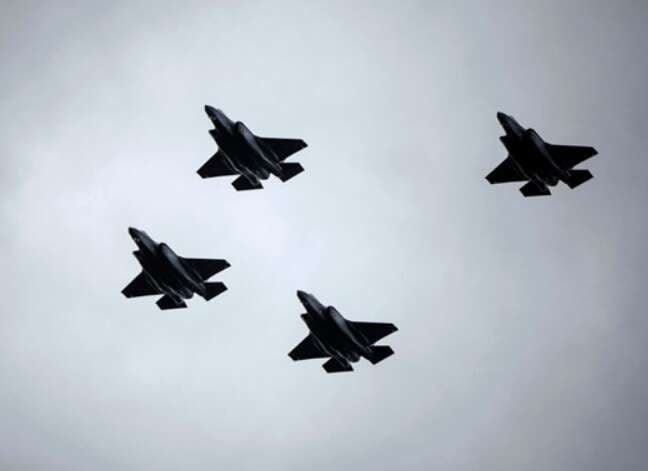
Denmark buys long-range missiles for first time, Moscow warns of consequences
Copenhagen announced a deal to acquire precision-guided missiles to deter aggression. The Russian embassy accused the country of creating a threat.
Copenhagen announced a deal to acquire precision-guided missiles to deter aggression. The Russian embassy accused the country of creating a threat.

Signal developers fixed a serious vulnerability that allowed attackers to access the camera and microphone after a call ended.
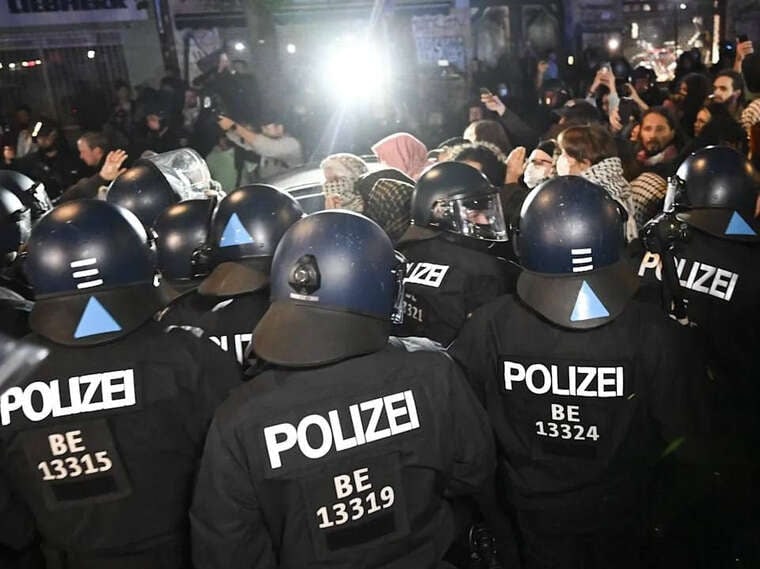
Following the Left Party's victory in the capital, the number of applications from law enforcement officers to transfer to other federal states has increased. Unions warn of a risk of staff shortages.
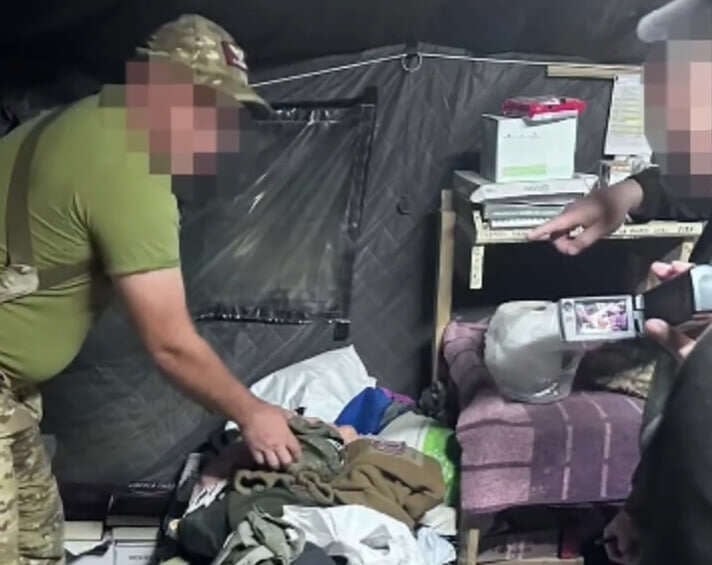
A training company commander demanded $4,000 for permission to leave the unit for a trip to Lviv for his own wedding. After getting married, the serviceman failed to return to duty.
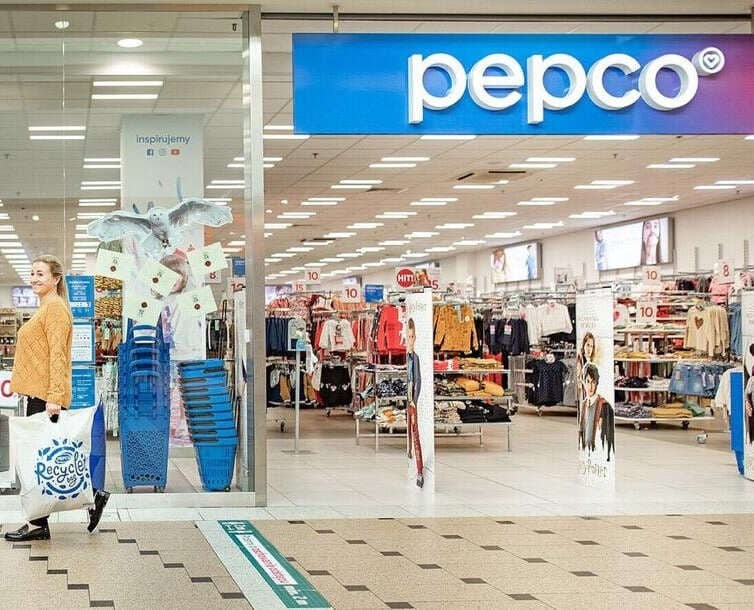
The Polish discounter has launched its first stores in Kyiv. The outlets are located in the Respublika Park, Retroville and Dream Yellow shopping and entertainment centres.
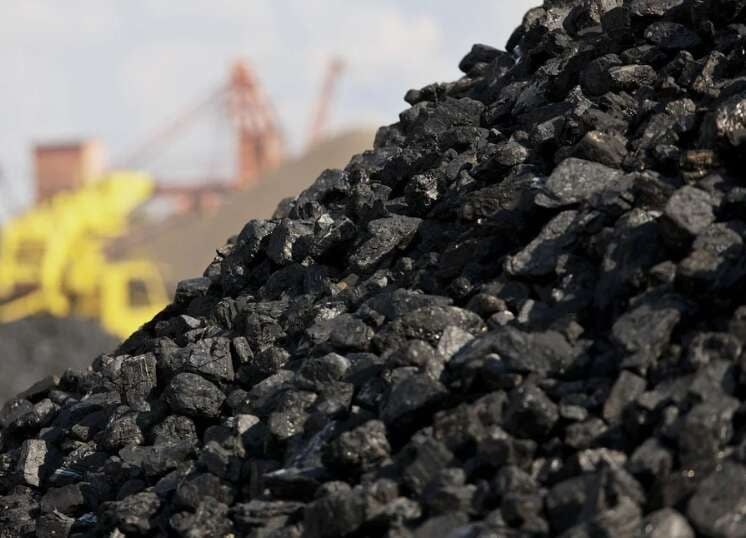
Despite fines and a ban on participating in procurement, affiliated enterprises continue to secure state contracts, replacing coal with a mixture of waste rock and soil.
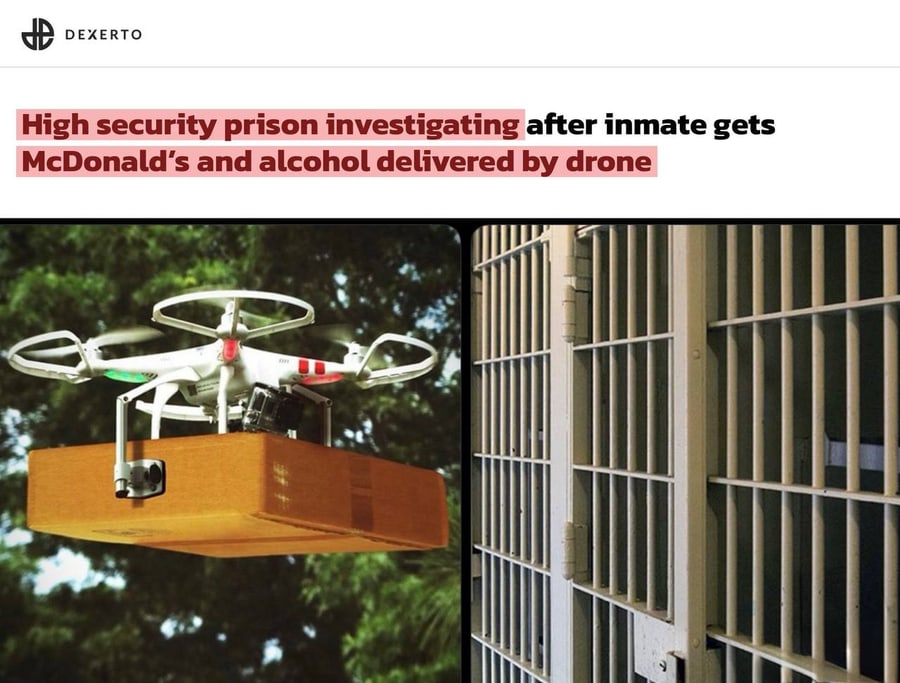
An inmate at a Canadian maximum-security prison received nuggets, fries and alcohol via drone. The administration is conducting an investigation.
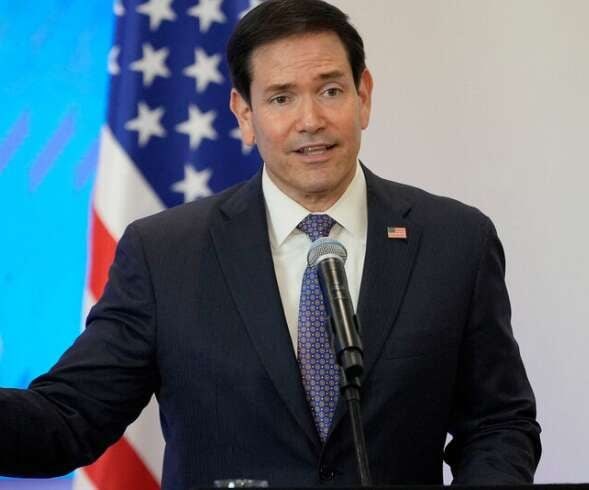
US Secretary of State Marco Rubio explained that the conflict boils down to control over a region comprising 11% of Ukraine's territory, urging both sides to make mutual concessions.
Despite sanctions from the Antimonopoly Committee of Ukraine (AMCU) and a ban on participating in state procurement, a network of coal suppliers continues to operate through new companies. According to the investigation, budgetary institutions received a mixture of coal dust, stones, waste rock, and soil instead of quality fuel, while tender documentation used certificates issued to a different company.
In September, the AMCU adopted Decision No. 682-r, establishing that five companies distorted the results of 15 tenders: LLC "Zakhidmarket", PP "Naftoagroservis", LLC "Resursy Batkivshchyny", LLC "Promtopresurs", and LLC "Enerho Vostok Anthracite".
The total expected value of the procurements exceeded UAH 91 million. For the established violations, the participants in the collusion were fined a total of over UAH 4.2 million and banned from participating in public procurement for three years.
However, the sanctions did not stop the entire network's activities. According to the investigation, new companies began appearing on the market, claiming budget funds and using documents linked to previous suppliers.
One of the key companies in the scheme is identified as LLC "Enerho Vostok Anthracite". The enterprise was registered in 2016 with a charter capital of 5,000 hryvnias. Its legal address is located at 6a Larysy Rudenko Street in Kyiv.
In contracts, the company listed its material and technical base in the village of Bahatyr in the Volnovakha district of Donetsk Oblast. Yurii Slyvynskyi is listed as the founder of the enterprise, and Yevhelina Slyvynska as the director.
According to the investigation's version, the actual beneficiaries of the company are Ruslan Bragin and Oleksandr Sosyura, who are from the Donetsk region. These claims require assessment within the relevant procedural procedures.
Links between formally competing enterprises are also indicated by personnel overlaps. Serhiy Hlukhov headed "Zakhidmarket" after working at "Enerho Vostok Anthracite". Meanwhile, Veronika Stailovska managed two companies simultaneously — "Resursy Batkivshchyny" and "Promtopresurs".
The Main Investigative Department of the National Police of Ukraine is investigating criminal proceedings No. 12020210000000481 under Part 5 of Article 191 and Part 2 of Article 364 of the Criminal Code of Ukraine.
Materials from the Pecherskyy District Court of Kyiv confirm that law enforcement agencies are investigating the activities of an organised group. This concerns circumstances related to the supply of coal and the use of budget funds.
According to the investigation, state institutions received a mixture of coal dust, waste rock, stones, and soil instead of graded high-calorific coal.
This fuel burned poorly, had an unpleasant smell, accumulated slag in furnaces, and caused boiler malfunctions. As a result, institutions that purchased coal for heating faced problems during its use.
Complaints regarding the quality of deliveries came from institutions of the State Penitentiary Service, specifically the Starobabanivska, Snihurivska, Manevychska, Kamianska, and Petrivska colonies. Complaints also arose in hospitals and children's orphanages.
Some facilities refused to accept the fuel or terminated contracts with suppliers. In one episode, the deputy head of the Petrivska correctional colony was detained on suspicion of receiving a bribe of UAH 205,000. According to the materials, the funds were intended for accepting low-quality fuel and signing the relevant documents.
After increased scrutiny of supplier activities, ownership changed in a number of companies. PP "Naftoagroservis" and LLC "Resursy Batkivshchyny" were re-registered to Andrii Sosonnyi, who is referred to as a nominal beneficiary in the investigation.
Simultaneously, new enterprises appeared on the market — LLC "Postach Form", LLC "Palyvo Opt", and LLC "Hirnychyi Resurs".
Some of these companies are linked through Mykola Reznik. He registered "Palyvo Opt" and later headed "Postach Form".
The investigation pays particular attention to the documents that new participants attach to their tender proposals. The documentation may list unrelated enterprises as manufacturers, specifically LLC "TVK Enerho", while using certificates issued to LLC "Enerho Vostok Anthracite".
Such documents allow for the confirmation of declared fuel characteristics, although they do not in themselves guarantee that the actual delivery corresponds to the specified parameters.
According to the State Service of Geology and Subsoil of Ukraine, neither LLC "TVK Enerho" nor LLC "Enerho Vostok Anthracite" holds special permits for the use of subsoil for coal extraction.
Meanwhile, quality certificates in accordance with DSTU 7146:2010 are issued by the State Enterprise "UkrNDIvuhlezbagachennia". According to the data provided in the investigation, documents can be issued based on samples submitted by the applicant for testing.
However, the institute does not control the content of each batch of coal that a supplier loads into transport after receiving a certificate. Therefore, a document issued for a tested sample does not necessarily confirm the quality of the entire volume of fuel delivered to the customer.
According to the investigation, some companies challenge customers' requirements for quality checks with the AMCU, while other enterprises linked to the same network continue to participate in procurements and receive new contracts.
The situation points to a problem that goes beyond the activities of individual enterprises. Formal confirmation of a sample's quality does not guarantee that the customer will receive fuel with the same characteristics.
State institutions attempting to strengthen control over the quality of deliveries face challenges to their requirements. Meanwhile, changes in legal entities and re-registration of ownership allow certain market participants to again claim budget contracts.
Despite the National Police investigation and AMCU fines, the problem remains relevant. Without strengthened control over actual coal batches and improved certification procedures, hospitals, schools, children's orphanages, and correctional facilities risk continuing to receive fuel that does not meet the declared characteristics.
Comments
No comments yet. Be the first!