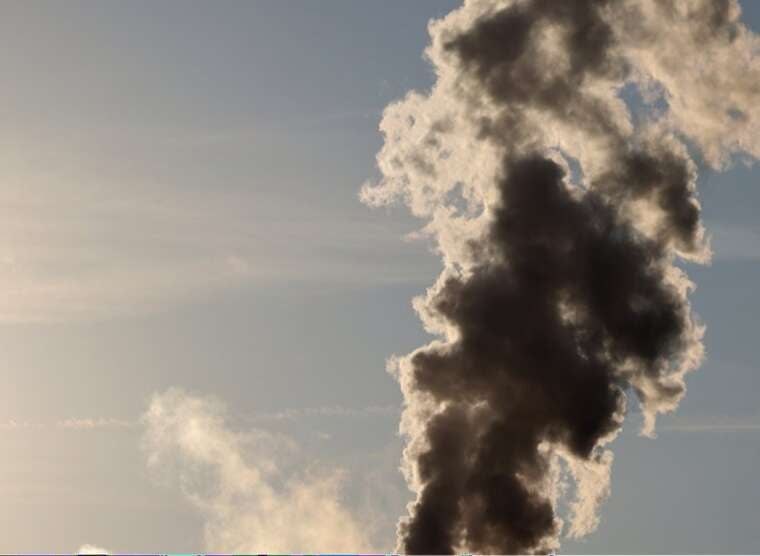
Drones hit two industrial facilities in Kremenchuk, OVA head says
Vitaliy Dyakivnych reported the use of enemy UAVs against two enterprises in Poltava region. Details of the attack's consequences are being clarified.
Vitaliy Dyakivnych reported the use of enemy UAVs against two enterprises in Poltava region. Details of the attack's consequences are being clarified.

The third YUNA Christmas Concert will take place at the ICCA on 24 November 2026. The full list of artists performing with the orchestra has been announced.
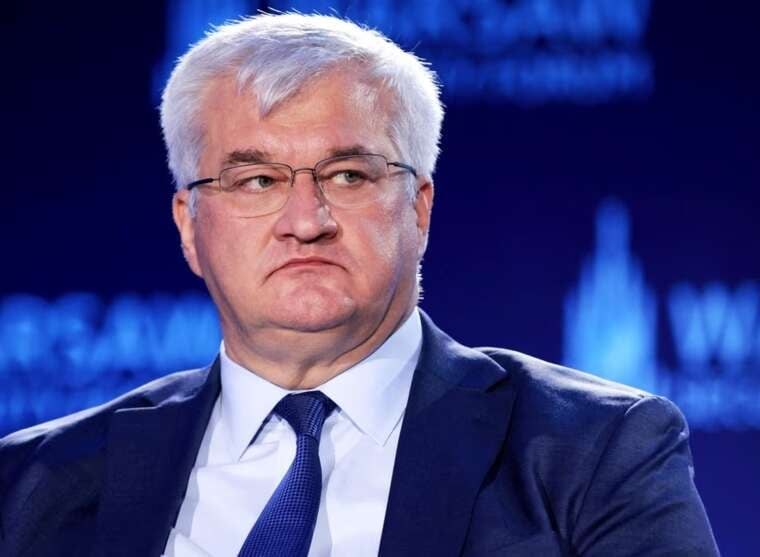
Ukraine's Foreign Minister Andrii Sybiha stated that he hopes for a decisive stance from Washington and Beijing regarding Russia during trilateral consultations.

Serhiy Duka stated at the TSC meeting that SBU staff were not forced to collect 65 million hryvnia for his bail, and expressed concern over the publication of colleagues' lists.

A Polish court is hearing a case regarding an assault on Ukrainian children who were speaking Russian. The attacker supported the Russian war.
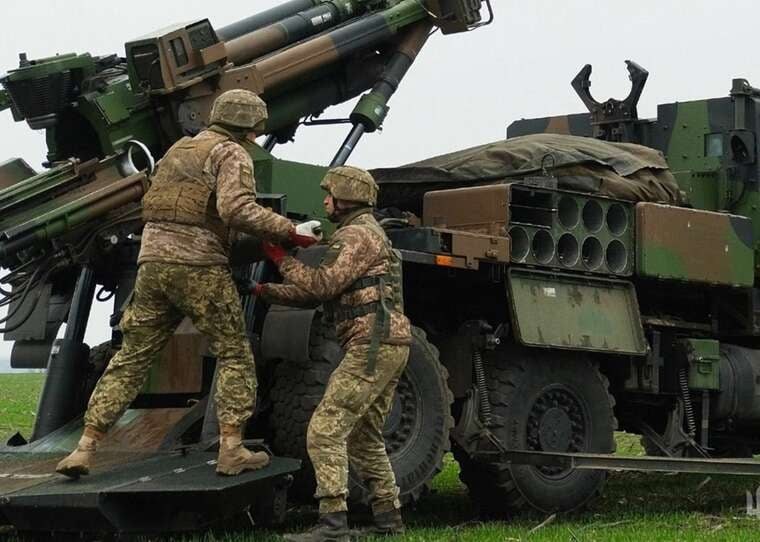
The General Staff of the UAF reported strikes on Russian logistics facilities: a bridge near Stanytsia Luhanska and a repair base in Kursk region. Damage to three aircraft at a plant in Novgorod region has also been confirmed.
Police have completed the investigation into the case of a 15-year-old schoolgirl who injured a classmate due to personal animosity. The indictment has already been sent to court.
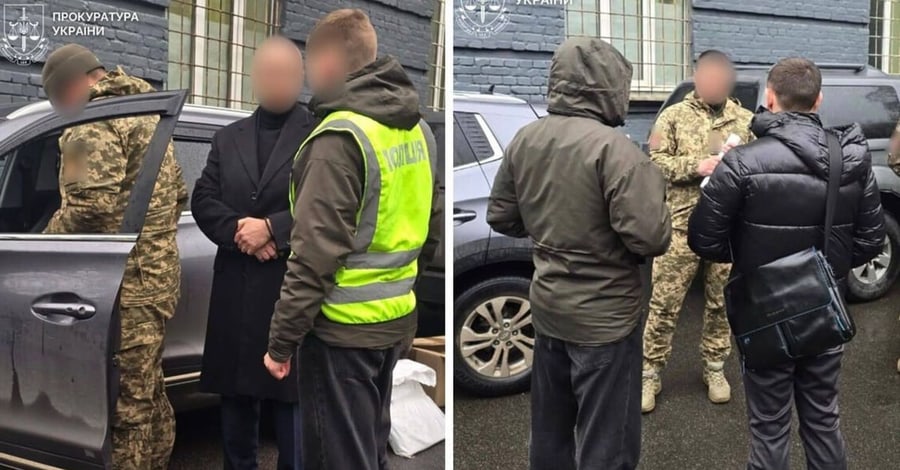
The SBU and the National Police exposed a scheme in which the head of a research centre received over $20,000 to allow substandard protective equipment into the army.
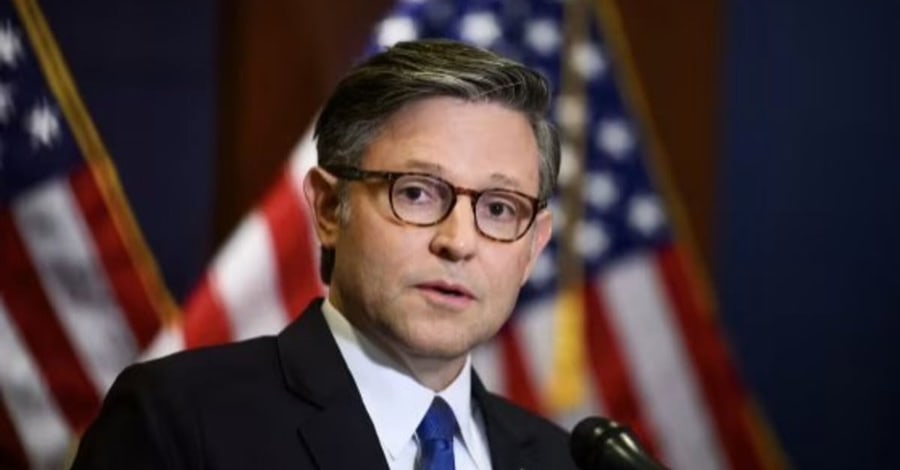
A political conflict has erupted in the US House of Representatives over the annual National Defense Authorization Act (NDAA). The leadership of the Republican Party is using provisions for funding Kyiv to the tune of approximately $750 million as a lever of pressure on opponents. The goal of the Republicans' actions is to force representatives of the Democratic Party to abandon initiatives aimed at strengthening parliamentary oversight of the actions of President Donald Trump and Defence Secretary Pete Hegseth.
As reported on 17 November, citing seven people familiar with the course of negotiations, House Speaker Mike Johnson and Chairman of the Foreign Affairs Committee Brian Mast are considering the possibility of excluding several key norms related to Ukraine from the NDAA. These norms include articles on continuing the exchange of intelligence information with Kyiv, expanding the volume of military aid, and introducing targeted sanctions against Russia.
It is worth noting that this is not currently a decided matter, but rather possible changes that are being actively discussed during the coordination of the bill's text between factions. The NDAA defines the defence policy of the United States, the priorities of the Pentagon, and the legal framework for the implementation of military programmes.
The main reason for the dispute lies not in the Ukrainian issue itself, but in the Democrats' desire to limit the powers of the executive branch. Representatives of the Democratic Party are attempting to include provisions in the defence bill that would require Pentagon leadership to coordinate personnel decisions regarding the promotion and demotion of senior military officers with Congress. It is also proposed to introduce additional restrictions on the defence minister's spending on official travel and to strengthen requirements for providing Congress with information about the war with Iran.
In addition, norms are being discussed that are intended to more clearly define the limits of the powers of the US President and the defence minister regarding the conduct of hostilities. Proponents of such changes believe that this will allow for more effective parliamentary oversight of decisions in the field of national security. However, Republican leadership is trying to secure the withdrawal of these amendments, using the provisions on support for Ukraine as a lever.
Thus, Democrats are faced with a choice: either retain the provisions on support for Ukraine in the NDAA, or insist on strengthening oversight of the Trump administration.
It is important to understand that the NDAA is primarily a law that defines policy and allows for the implementation of programmes, while the direct allocation of budgetary funds in the US is usually carried out through separate appropriation laws. Therefore, the removal of Ukrainian provisions from the NDAA would not mean the automatic cessation of all US military aid.
However, such changes could significantly affect the legal basis for the implementation of specific programmes, the scope of envisaged powers, and future decisions by Congress. Particular significance is attached to the possible cessation of the legislative enshrinement of the exchange of intelligence data, as this cooperation is one of the key directions of support. Sanctions against Russia remain a separate issue: if the relevant provisions are not included in the final text of the NDAA, they will have to be advanced through other legislative mechanisms.
At present, there is no confirmation that the leadership of the House of Representatives has already made a final decision to exclude aid to Ukraine. The further fate of the initiatives will depend on negotiations in Congress and the passage of the bill through the established legislative procedures. For Ukraine, the outcome of these negotiations will be significant not only from the perspective of funding, but also regarding the continuation of military and intelligence cooperation with the United States.
Recall that it was previously reported that the Pentagon had unblocked $400 million in military aid to Ukraine. The funds were allocated after US lawmakers demanded explanations regarding the delay in funding. US Defence Secretary Pete Hegseth confirmed the decision during hearings in Congress on 30 April 2026.
Comments
No comments yet. Be the first!