Combating corruption as a condition for European integration
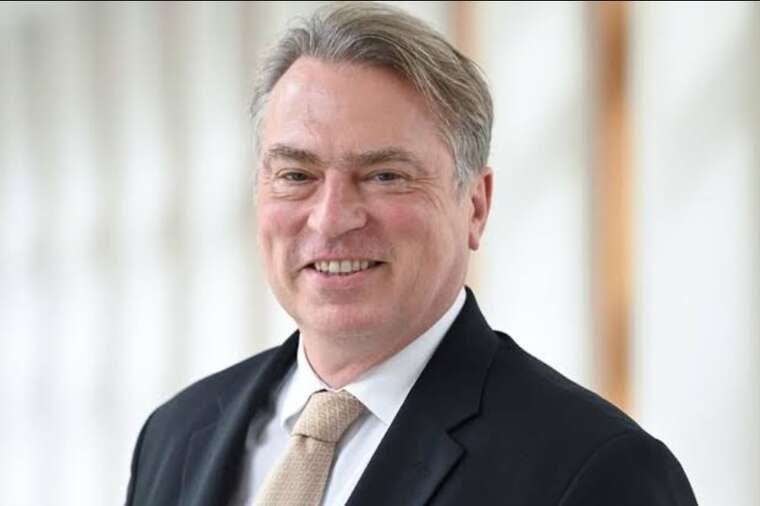
In Brussels, during an event organised by the German Marshall Fund dedicated to the process of Ukraine's accession negotiations to the European Union, clear demands were made to Kyiv. The head of the Federal Republic of Germany's mission to the EU, Thomas Ossowski, emphasised that in addition to countering the external aggression imposed by Russia, Ukraine needs to effectively address internal challenges, particularly corruption.
The position of the German diplomat
«Зовнішнім ворогом для України є російська агресія, і Україна має нашу повну солідарність та підтримку. Водночас ми очікуємо, що Україна боротиметься і з внутрішнім ворогом – корупцією, недоліками у сфері верховенства права, а подекуди і у сфері державного управління» (The external enemy for Ukraine is Russian aggression, and Ukraine has our full solidarity and support. At the same time, we expect Ukraine to fight the internal enemy – corruption, deficiencies in the rule of law, and sometimes in the sphere of public administration), the ambassador noted.
Ossowski added that these issues are a challenge not only for candidates but also for the EU members themselves, including Germany. He stressed that this topic is actively discussed both in the European Parliament and at meetings of the Council of the EU.
Enlargement must strengthen the Union
The diplomat emphasised a fundamental position: the enlargement process must make the European Union stronger, not weaker. That is why candidate countries are obliged to ensure the implementation of fundamental reforms. In the opinion of the German representative, all remaining negotiation clusters for Ukraine should be opened "as soon as possible".
The myth of decoupling negotiations
Thomas Ossowski also commented on the discussion surrounding the so-called "decoupling" of the negotiation processes of Ukraine and Moldova. He believes that such an idea is flawed from the very beginning.
«Хоча Україна та Молдова наразі рухаються разом, після відкриття всіх кластерів усе залежатиме виключно від самих країн-кандидатів, наскільки швидко вони зможуть імплементувати законодавство ЄС (EU acquis)» (Although Ukraine and Moldova are currently moving together, after the opening of all clusters, everything will depend exclusively on the candidate countries themselves, on how quickly they can implement EU legislation (EU acquis)), the diplomat explained.
Comments
No comments yet. Be the first!