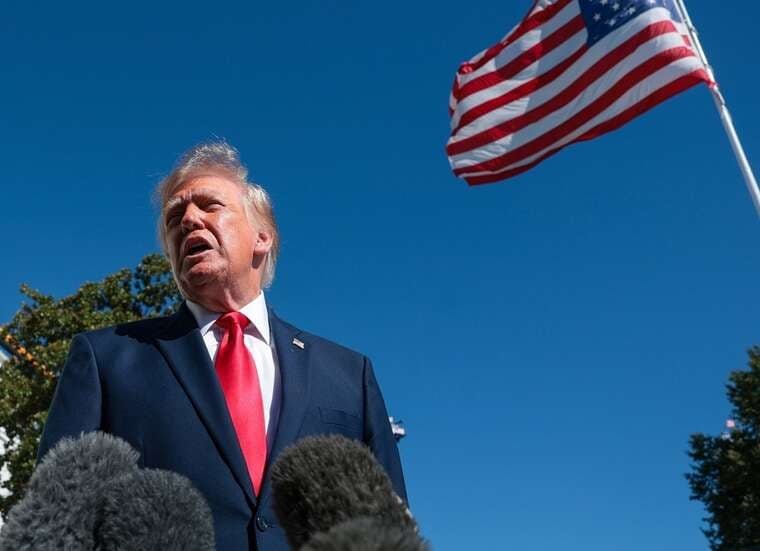
Trump accuses Ukraine of selling US rockets received during Biden's presidency
US President Donald Trump stated that weapons supplied by Washington in the past were later put on the open market.
US President Donald Trump stated that weapons supplied by Washington in the past were later put on the open market.
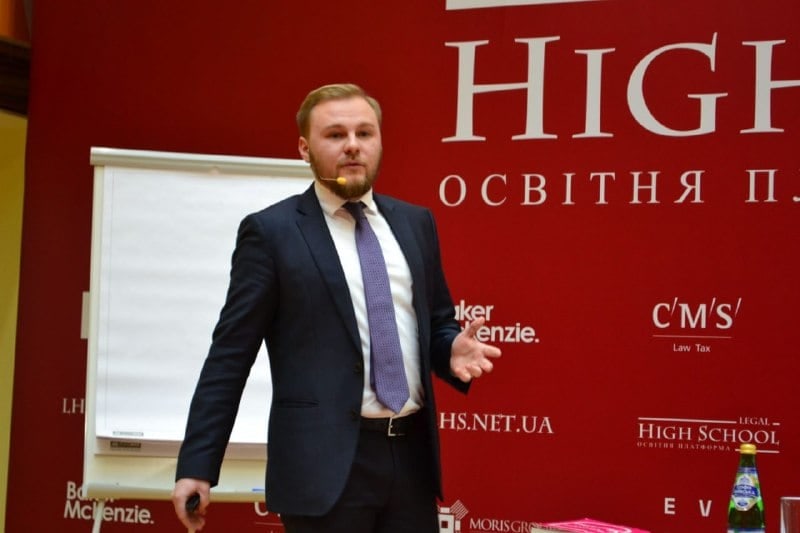
The National Bank continues its cooperation with the law firm Everlegal, raising the hourly rate for legal services to UAH 5,166. The contract provides for free legal defence of board members during searches and investigations.

Volyn authorities reported one death and eight injuries following an attack on a private enterprise in Manevychi, where residents were also warned of a potential ammonia leak.

Drone attacks have been recorded in Rivne Oblast since the night of 16 October. Footage shows schoolchildren jumping out of windows after the air raid siren.
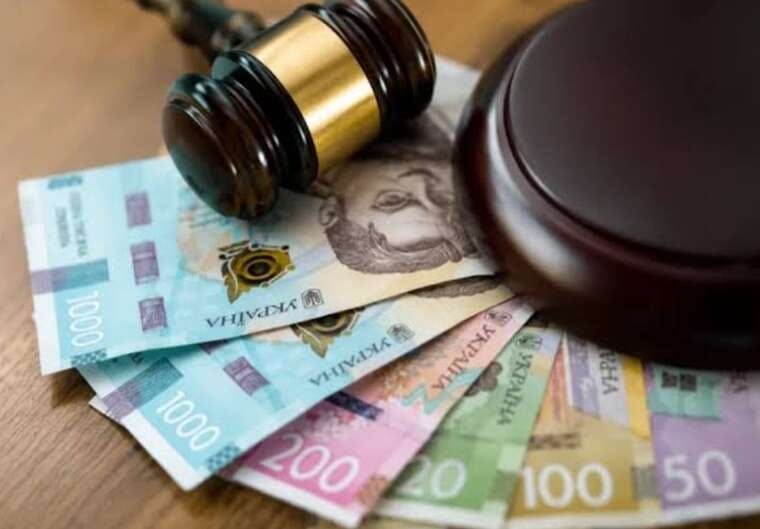
Kyiv's Solomianskyi Court found the head of LLC "Elpis-Ukraine" guilty of customs rule violations due to a 380,000 UAH tax under-declaration during dimethyl sulfoxide import.

Law enforcement officers from Dnipropetrovsk region are suspected of attacking a resident of Nikopol to seize cryptocurrency and the victim's family savings.
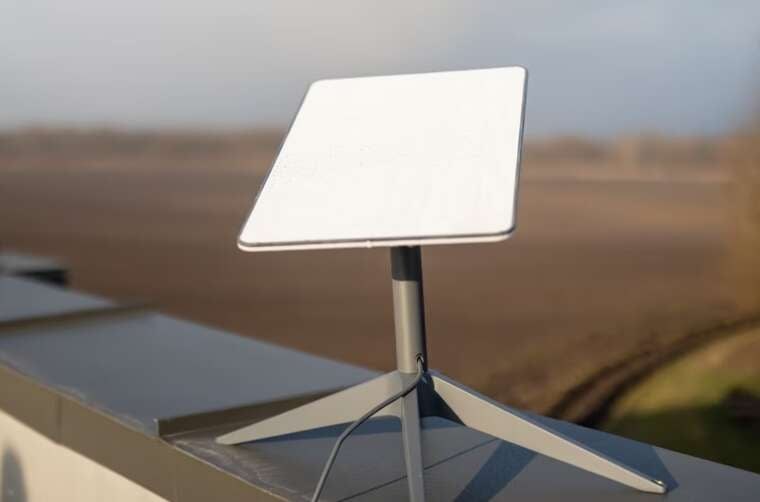
Reuters sources in Ukraine's Ministry of Defence clarified that full lifting of restrictions on satellite internet for troops has not occurred. Terminals operate while moving with a speed limit.
Investigation established that developers in Lviv region, including the "Bude Dim" association, sell cottages for cash, registering only land plots to avoid taxation.
OpenAI is organising training sessions for its employees on how to identify spies. The company is warning staff working with artificial intelligence about the threat of confidential information leaks from competitors and foreign intelligence services. This is reported by The Wall Street Journal, citing sources within OpenAI.
During the sessions, employees are told that bribery, eavesdropping on conversations in cafes, or even attempts to enter into romantic relationships may be used to obtain secrets. Specific modules are dedicated to the actions of agents who try to get close to a target to learn classified data.
An example cited is the story of an American diplomat who worked in Russia. Initially, a blonde woman with champagne was sent to his hotel room. When he refused, a red-haired woman arrived, followed by a young man. It is noted that LGBT activity is banned in the Russian Federation.
Employees are advised not to wear clothing with the OpenAI logo outside the office, to use protective films on screens in public transport, and to erase notes from whiteboards after meetings. The company warns that spies may pose as acquaintances, try to start conversations about work, or gain access to information through staff.
Previously, OpenAI reported that it had discovered a dictaphone in one of its offices. Using its own AI models, it was possible to determine who had placed it. Abdulrahman Alfozan, a 35-year-old company engineer and Saudi Arabian citizen, was arrested on charges of attempting to illegally intercept conversations. As WSJ writes, similar training sessions were conducted at OpenAI before his arrest.
Comments
No comments yet. Be the first!