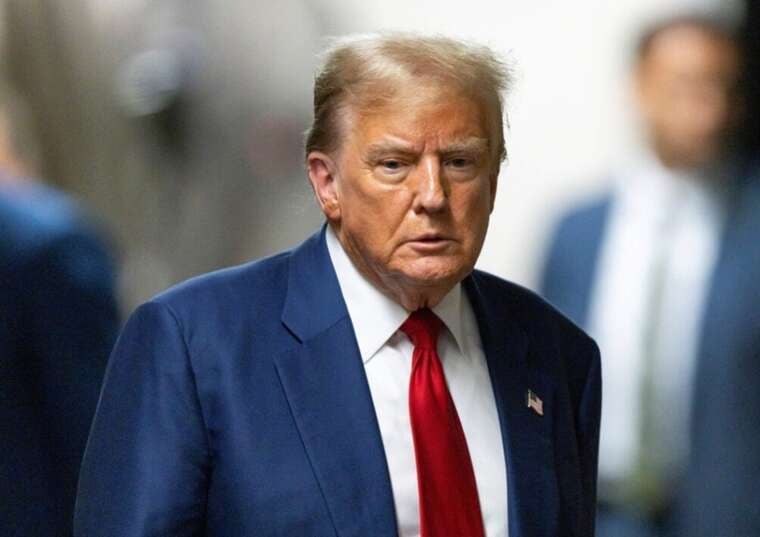
Trump reveals Putin's reaction to peace deal between Armenia and Azerbaijan
Donald Trump stated that Vladimir Putin acknowledged the failure of his decade-long attempts to resolve the Karabakh conflict, while Washington succeeded.
Donald Trump stated that Vladimir Putin acknowledged the failure of his decade-long attempts to resolve the Karabakh conflict, while Washington succeeded.
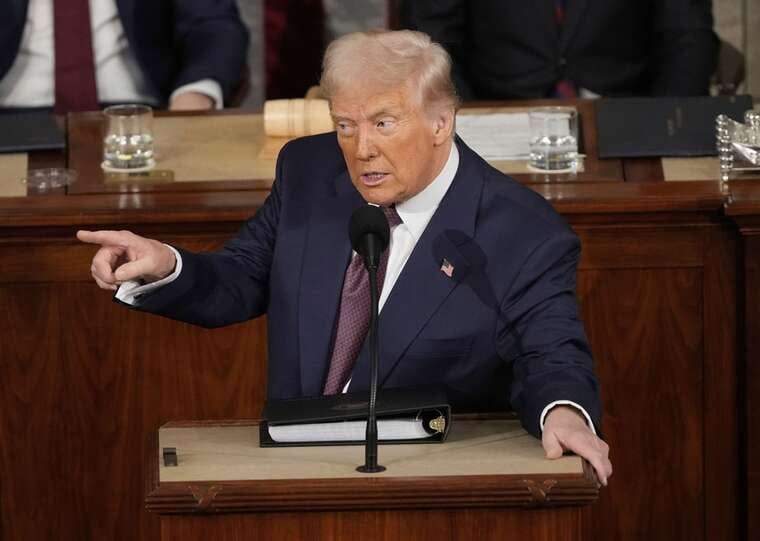
US President Donald Trump stated that the process of peacefully resolving the conflict in Ukraine and with Iran is progressing extremely dynamically, and also reminded of his previous diplomatic achievements.
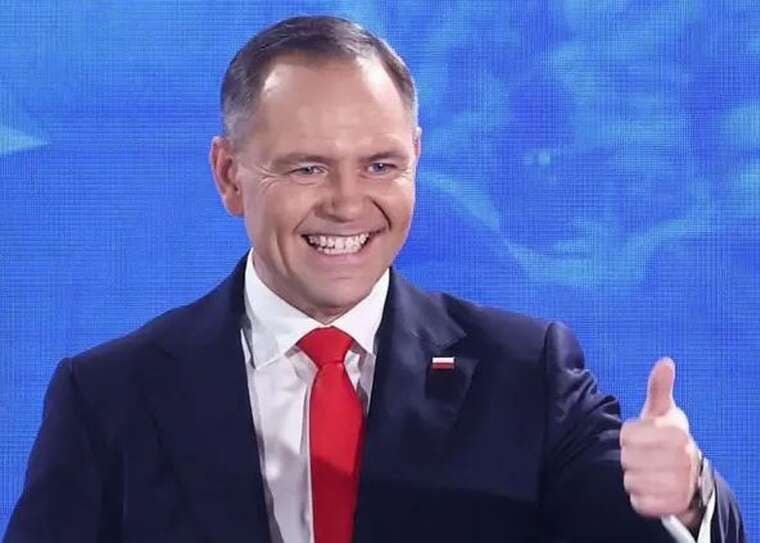
Russian media claimed that Karol Nawrocki is wanted in the Russian Federation, linking his tenure as head of the Institute of National Remembrance to the dismantling of monuments.
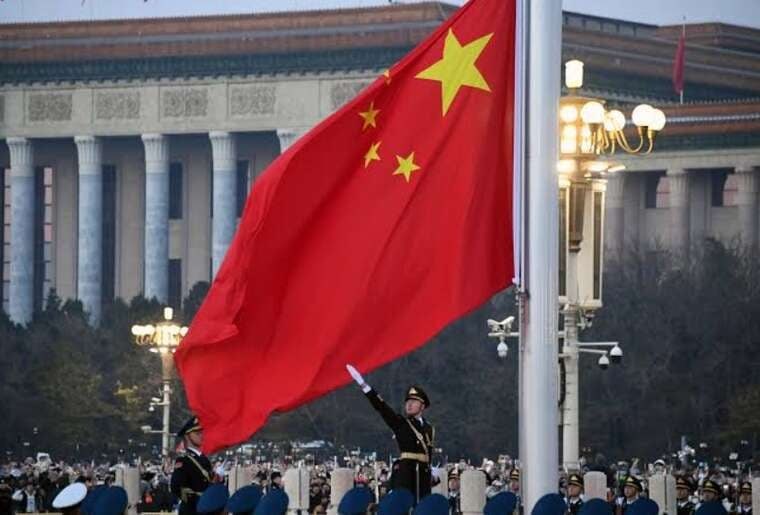
Deputy Permanent Representative of China to the UN Sun Lei stated that the conflict cannot be resolved by military means and called on the parties to engage in dialogue to reach a comprehensive peace agreement.
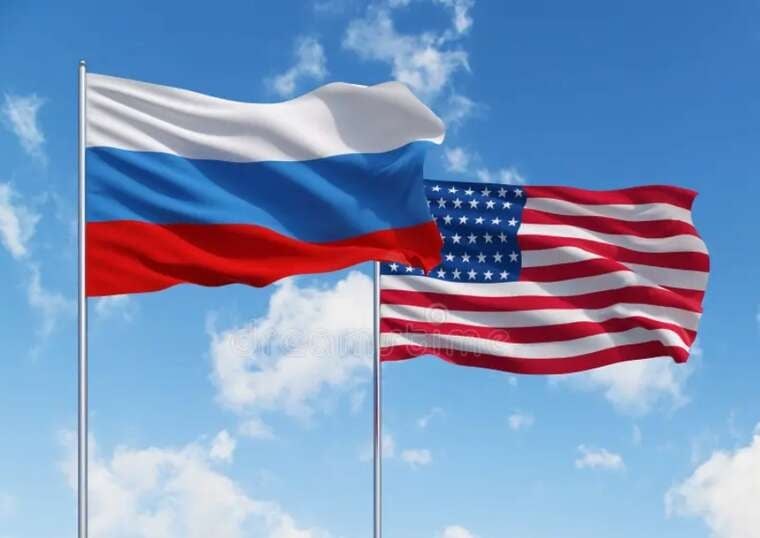
Institute for the Study of War analysts note that Washington granted Russia an economic advantage by allowing fuel exports, receiving zero concessions from the Kremlin in return regarding the cessation of hostilities.
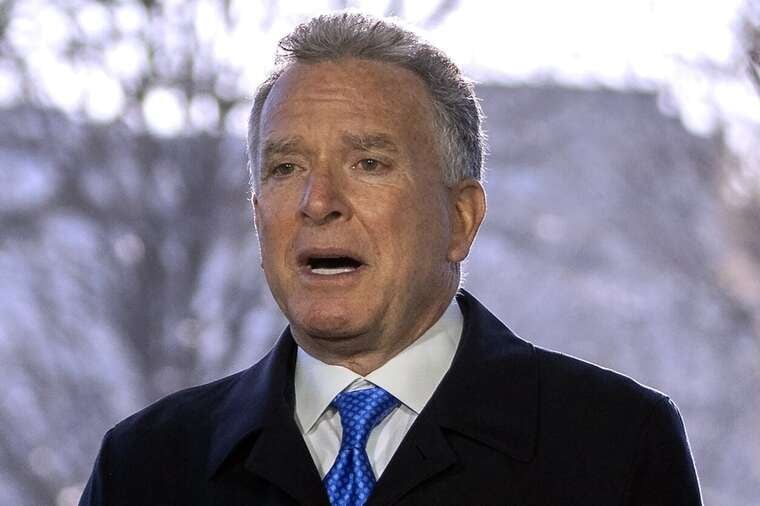
US representative Steve Witkoff detailed the Miami meeting where Ukrainian and European delegations discussed options for ending the war before winter.
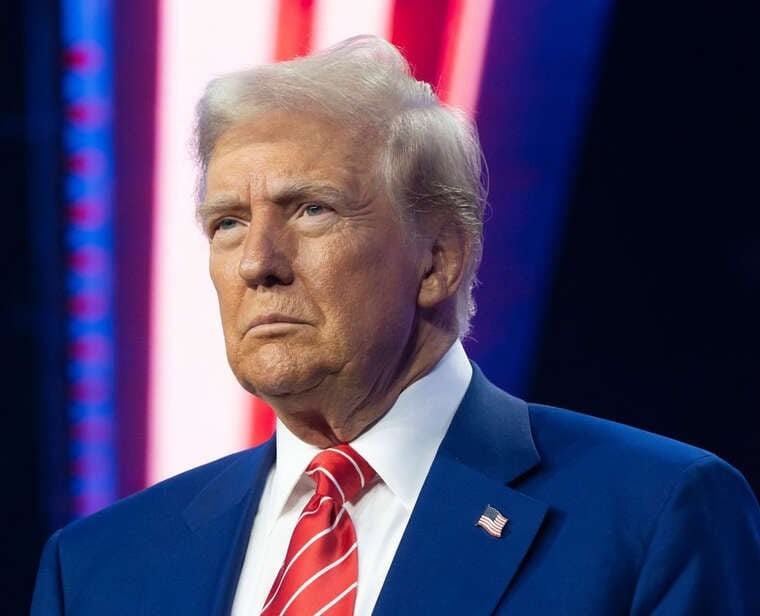
The US leader called the energy agreement with Moscow important and thanked Putin, but did not reveal his position on the Ukrainian president's remarks.
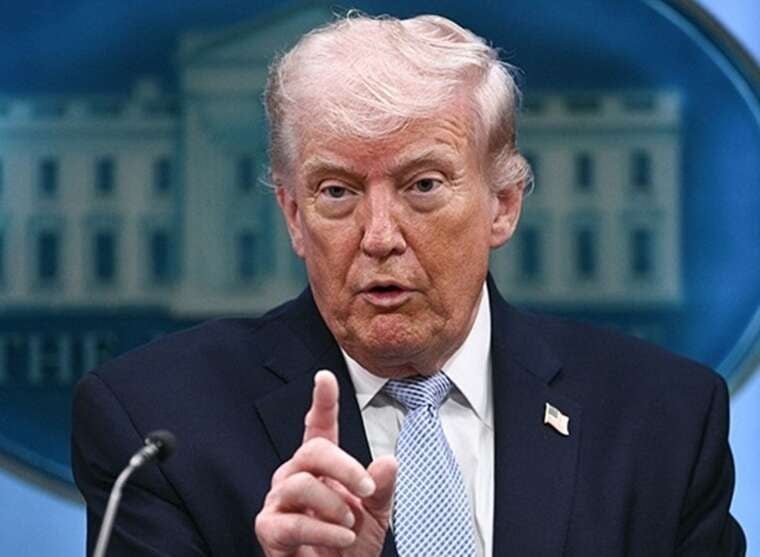
According to Axios, the US has repeatedly asked Ukraine to stop strikes on Russian oil refineries, citing rising fuel prices in the US.
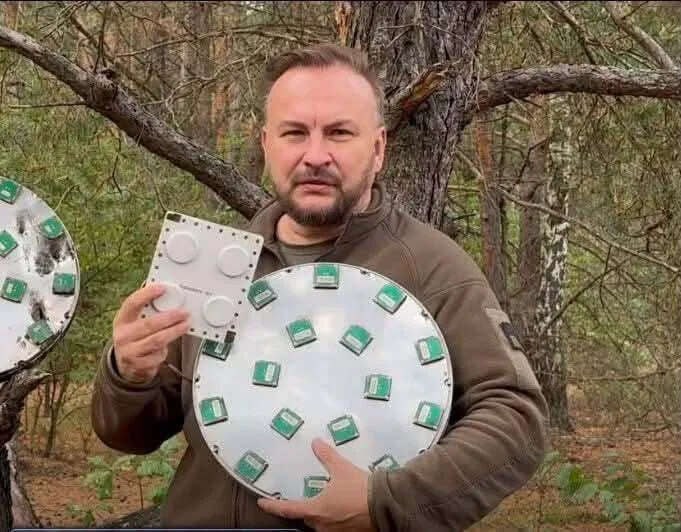
The Russian side has significantly modified the design of Shahed strike drones, doubling the number of elements on their satellite navigation antennas. Instead of the previous 16 elements, systems with 32 are now used. This update is aimed at increasing the aircraft's resistance to electronic warfare (EW) systems, making their suppression significantly more difficult.
Ukrainian military officer and presidential adviser on defence technology development, Serhiy Beskrestnov, who operates under the callsign "Flash", reported on these technical changes. He described in detail the mechanism for guiding enemy drones and the methods of counteraction employed by Ukrainian defenders.
According to Beskrestnov, Shaheds reach their targets via two main methods: remote control by an operator using MESH modems, or through satellite navigation, specifically the GPS system. To block guidance via satellite signals, Ukrainian forces employ EW systems that generate radio jamming. In response, Russians install CRPA-type antennas on the drones, which are capable of mitigating the impact of such jamming.
The expert explained that increasing the number of elements in the antenna allows for more effective counteraction to sources of radio jamming. If previously a certain level of EW system power was sufficient to suppress signals from 16-element antennas, the new 32-element systems require Ukraine to increase the quantity of equipment to achieve a similar effect.
"Flash" notes that this dynamic creates additional difficulties for Ukrainian air defence. For Russia, improving the drone antenna is a simpler task, whereas the Ukrainian side has to expand its network of electronic warfare systems.
Comments
No comments yet. Be the first!