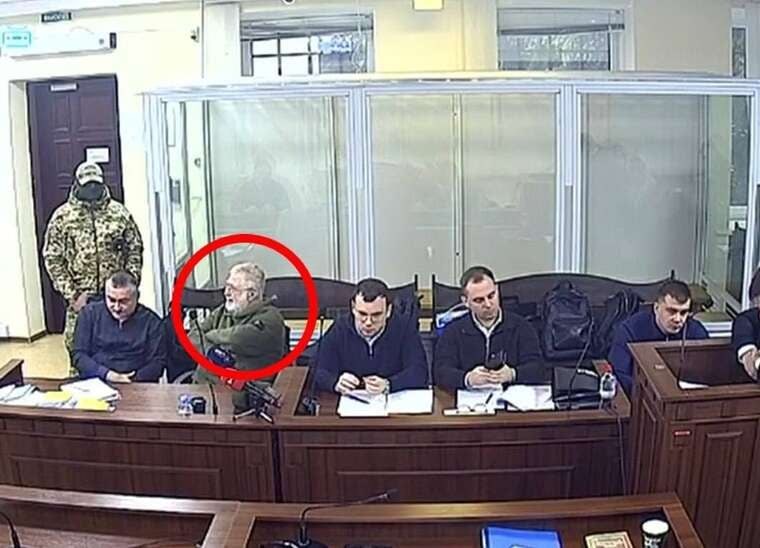
Supreme Anti-Corruption Court rejects Kolomoisky's defence motion to close case
Court upheld proceedings over misappropriation of 9.2 billion UAH from PrivatBank, rejecting defence arguments regarding investigation deadlines.
Court upheld proceedings over misappropriation of 9.2 billion UAH from PrivatBank, rejecting defence arguments regarding investigation deadlines.

The macOS beta version of the messenger has received a tool to protect dialogues with a password, which removes them from lists and notifications.
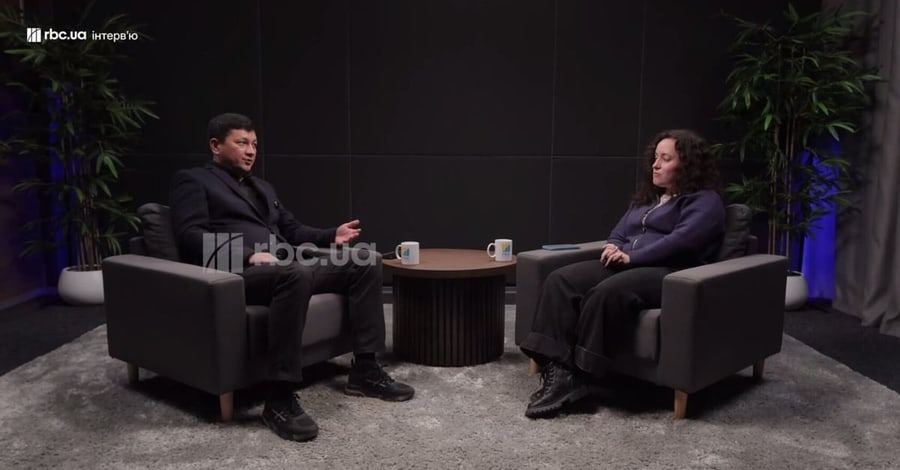
The "European Solidarity" faction has initiated the procedure to dismiss Vitaliy Kim from his post as head of the Ministry of Veterans. The cause was his remarks on the risk of criminalisation of military personnel after the end of hostilities.
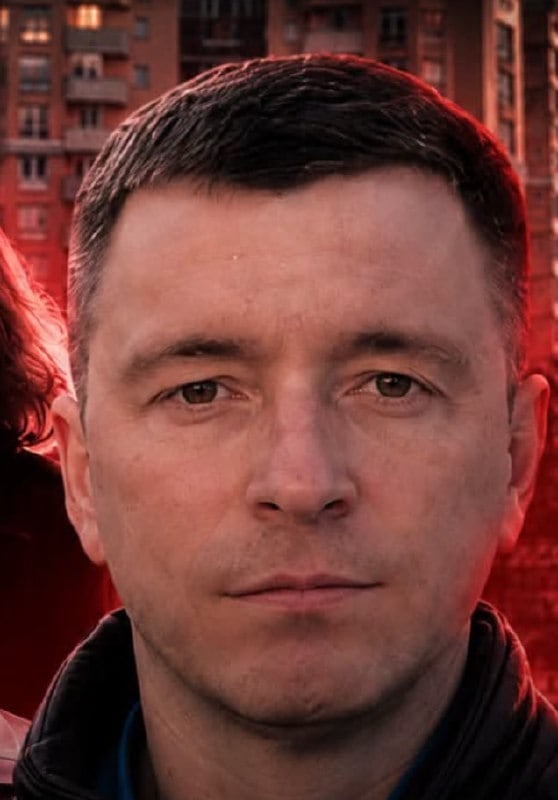
The director and deputy of the municipal enterprise demanded significant sums from entrepreneurs for signing contracts to hold events on the park's territory.
A Kyiv court found the sender guilty of concealing a commercial batch of folding knives as a single cheap item and seized the property for the state.
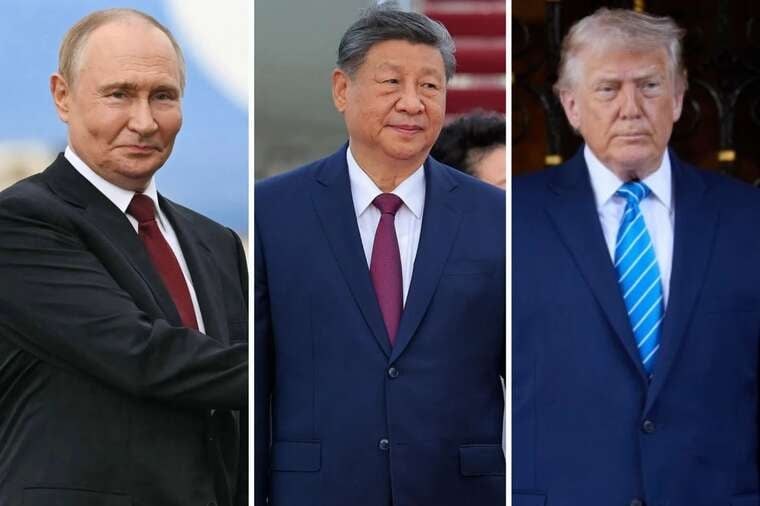
Russian President's Press Secretary Dmitry Peskov stated that Donald Trump's visit to China involves discussions on the situation in Ukraine and Iran.

Players in New Zealand have already gained access to the new installment in the series. The Ukrainian audience will be able to launch the game on 19 November at 00:00 Kyiv time.

Most citizens entitled to a mobilisation deferment are not required to submit new applications. The mechanism covers 22 categories and operates independently of the previous method of processing.
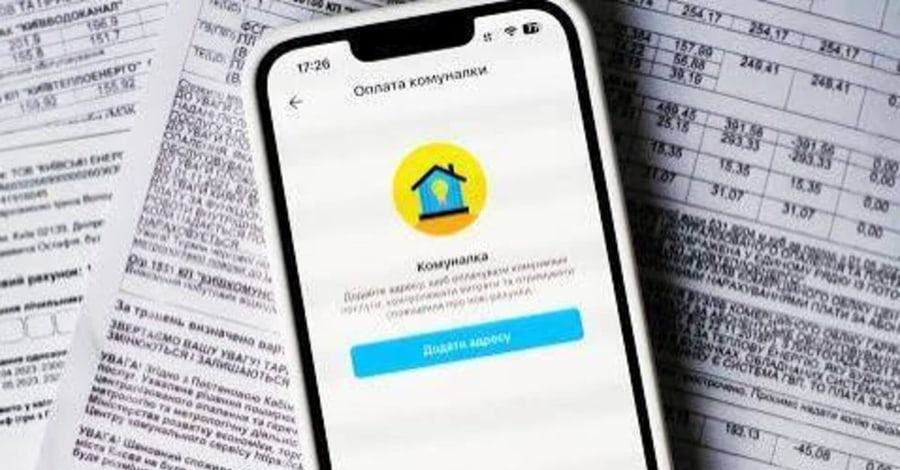
In the event of damage to boiler houses or heating networks as a result of Russian attacks, Ukrainians may face issues with utility billing. Oleh Popenko, Head of the Association of Utility Service Consumers, drew attention to the fact that under certain circumstances, residents risk receiving bills even when heat supply is effectively absent. At the same time, current legislation guarantees the right to a recalculation of the cost of services that were not provided or were provided of inadequate quality.
Oleh Popenko described possible scenarios in detail in his Facebook post. According to him, the situation may worsen in settlements where critical infrastructure has been destroyed by enemy shelling. If the restoration of heating systems is delayed, suppliers may continue to generate bills based on average consumption calculations.
The expert emphasised that this does not mean the government has decided on mandatory payment for services not provided. It is a potential risk that requires proper legal regulation. The presence of an amount on the bill does not mean that the consumer is obliged to pay the full specified sum.
The issue of the correctness of heating charges was also discussed during the question hour to the government in the Verkhovna Rada on 13 November.
In January 2026, the Cabinet of Ministers changed its approach to calculations in emergency situations. Under the new rules, suppliers are obliged to independently conduct a recalculation for periods when the provision of services was suspended due to infrastructure damage. This applies not only to heating but also to other utility services.
Thus, if a building was left without heat as a result of shelling, the supplier must take this period into account when forming the final bill. The right to reduce the cost of services is also enshrined in the Law of Ukraine "On Housing and Communal Services". A consumer may demand an adjustment to the payment if the service was not provided, was provided incompletely, or its quality did not meet the standards.
To achieve a reduction in the amount on the bill, residents need to act sequentially. The first step is to notify the heat supply organisation about the problem. It is advisable to register the appeal through the dispatch service, clearly specifying the address, date, time, and nature of the violation. It is important to keep the application number and other confirmations that the complaint was submitted.
The next stage is to demand a quality check of the service and the drawing up of a claim act. This document must record the circumstances of the non-provision or inadequate provision of heating. The procedure for drawing up such documents is defined in Articles 27–28 of the Law of Ukraine "On Housing and Communal Services", as explained by the State Service of Ukraine on Food and Consumer Protection.
Based on the claim act, the consumer can officially demand a recalculation. If the supplier ignores the appeal or refuses to adjust the charges, a complaint can be filed with the territorial body of the State Service of Ukraine on Food and Consumer Protection. It is advisable to attach copies of bills, registered appeals, the claim act, and responses from the supplier to the documents. If the dispute remains unresolved, the option of going to court remains.
Experts do not recommend independently ceasing payment for utility services solely due to the absence of heat. If the supplier continues to issue bills and a recalculation has not yet been carried out, non-payment may lead to the formation of disputed debt. Therefore, the key is documentary confirmation of the absence of the service and an official demand to adjust the charges.
Cases where heating is formally supplied but the temperature in the premises is below the standard are regulated separately. In such situations, a quality check and a corresponding reduction in payment can also be demanded.
Oleh Popenko's warning is aimed at drawing attention to the risk of incorrect charges during prolonged infrastructure restoration, rather than introducing a new mandatory payment for absent heating.
Comments
No comments yet. Be the first!