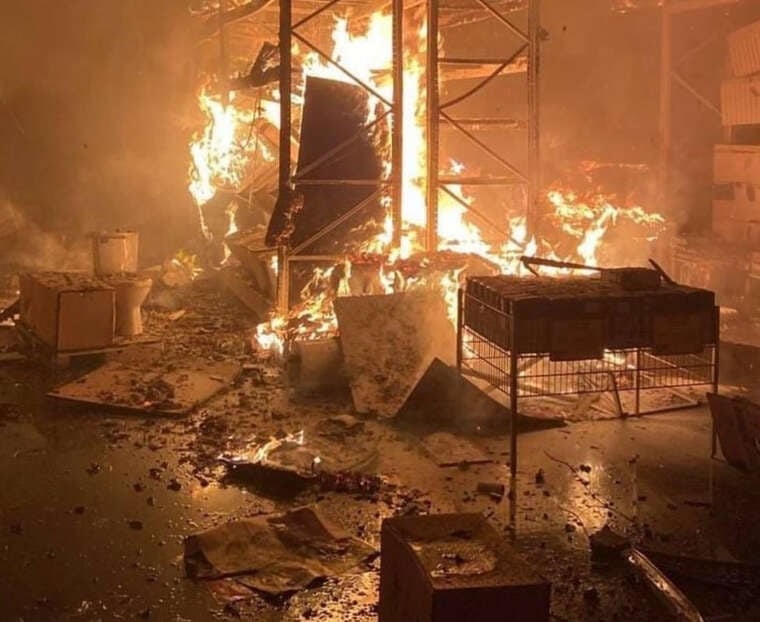
Building hypermarket OLDI suspended operations in Zhytomyr following enemy shelling
The facility was temporarily closed after the attack. Information on the extent of damage and the date of resuming operations has not yet been released.
The facility was temporarily closed after the attack. Information on the extent of damage and the date of resuming operations has not yet been released.
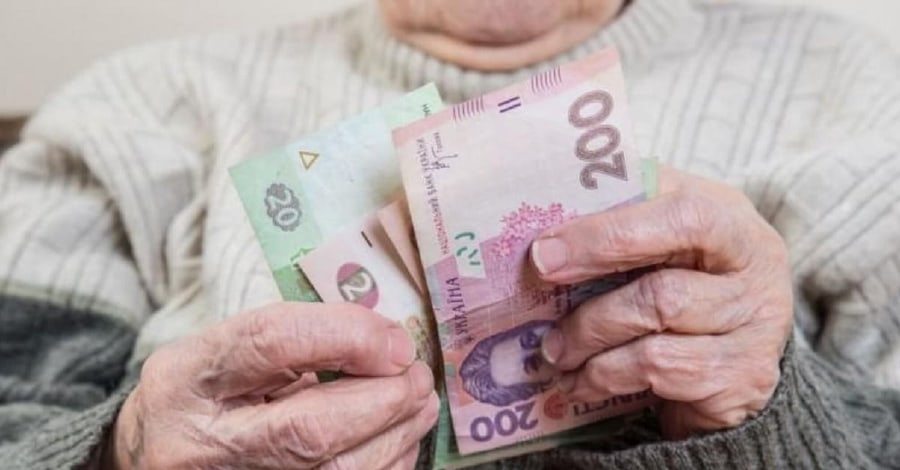
The government has approved a UAH 19,400 payment for vulnerable households in frontline zones. No official announcement has been made regarding a general UAH 1,000 payment for 2026.

Rinat Akhmetov's business group consulted with the state for a long time regarding the privatisation of OPP, but the auction did not take place again due to the absence of buyers.
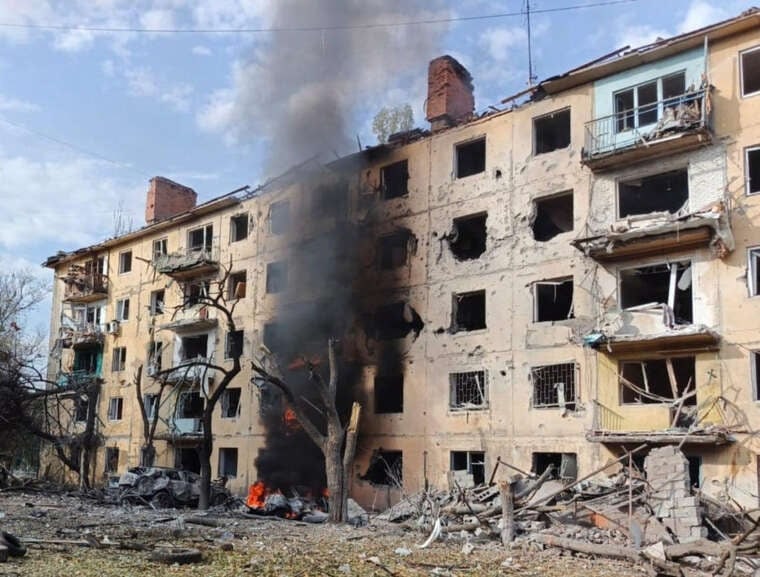
The prosecutor's office reported that three people were killed in the morning shelling of Kramatorsk. The circumstances of the attack and the presence of injured are being established.

Viktor Lysak reported that despite allocated funds, some medical facilities lack the necessary fuel reserves, autonomous water supply, and ready shelters.
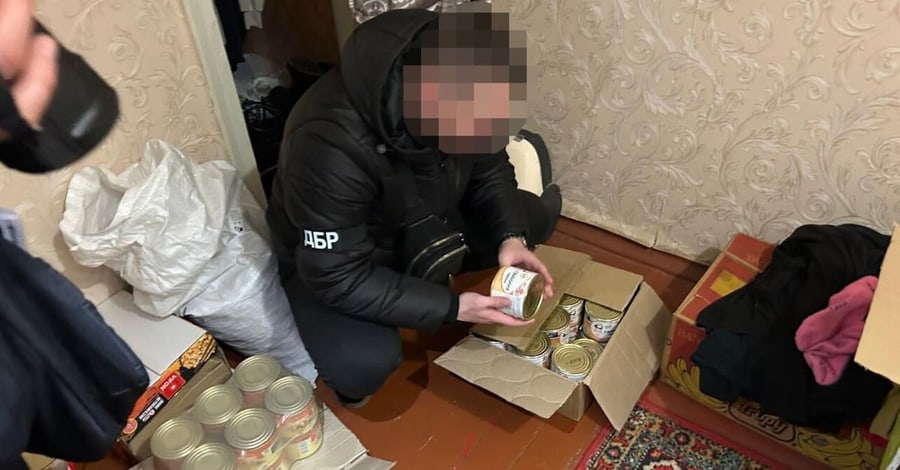
The SBI has notified two military officials of suspicion, who received food based on inflated invoices and sold it to civilians.

Documents reveal links between a Polish sole proprietor and Ukrainian LLCs that received state contracts for equipment supply. Who actually controls this network remains an open question.

Nobel laureate Geoffrey Hinton warned that modern neural networks may exhibit signs of consciousness, and their further development poses risks in the form of cyberattacks and biological threats.
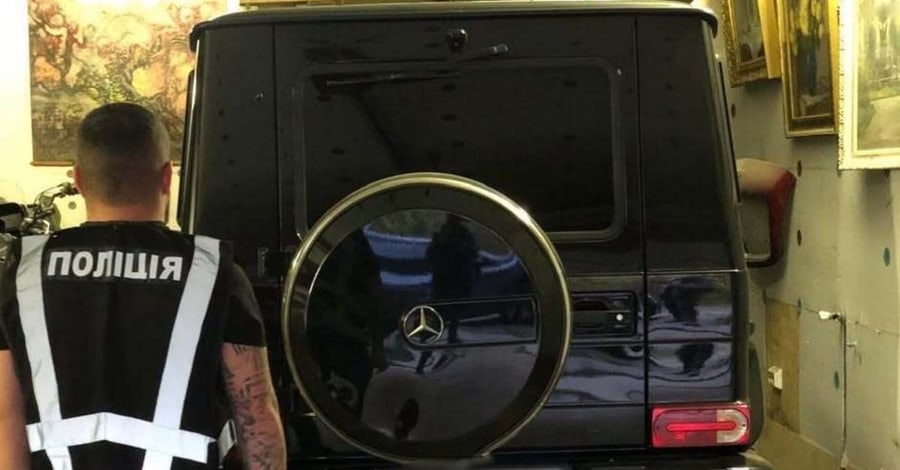
Police officers of the Lviv region, together with the prosecutor's office, identified and uncovered the activities of a criminal group suspected of illegally growing cannabis and distributing cannabis. According to the investigation, the organisation of narcotic plant cultivation was carried out by a 53-year-old resident of Lviv together with three accomplices aged 56, 59, and 63.
To set up the cultivation of narcotic raw material, the criminals chose an isolated, hard-to-reach plot of land in Stryi district. Preparatory work included clearing the area of excess vegetation, laying a path, and installing a water supply system for irrigation. It was here that plants were planted in specially prepared soil, treated with fertilisers and special agents to stimulate growth and flowering.
The finished narcotic substance, obtained after the harvest, was passed on for sale to another group of individuals. The distribution of cannabis was handled by a family residing in Lviv district. This link included a 46-year-old man, his 44-year-old wife, and their 19-year-old son. According to the investigation's version, they carried out distribution, including by shipping to various regions of Ukraine.
The operational investigation was conducted by employees of the Cybercrime Counteraction Department jointly with investigators from the department investigating especially serious crimes of the Lviv region police investigative department. Procedural supervision was exercised by the Lviv Regional Prosecutor's Office.
During an authorised search of the plantation site, law enforcement officers found 30 cannabis plants, as well as equipment and devices for growing and packaging the finished narcotic substance. Electronic scales, communication devices, and cannabis, which, according to the investigation, were stored for further sale, were seized. A separate search was conducted at the family's residence, where a significant batch of the finished narcotic substance was found. All seized items have been sent for expert examination.
Four men who were directly involved in cultivation were charged under two articles of the Criminal Code of Ukraine: Part 2 of Article 310 (illegal sowing or growing of opium poppy or cannabis) and Part 3 of Article 307 (illegal operations with narcotic substances, in particular their manufacture, storage, and distribution).
Three family members suspected of selling cannabis were notified of suspicion under Part 3 of Article 307 of the Criminal Code of Ukraine. The maximum penalty provided for the charged crimes is up to 12 years of imprisonment with confiscation of property.
Comments
No comments yet. Be the first!