New rules for grain shipments in Klaipeda
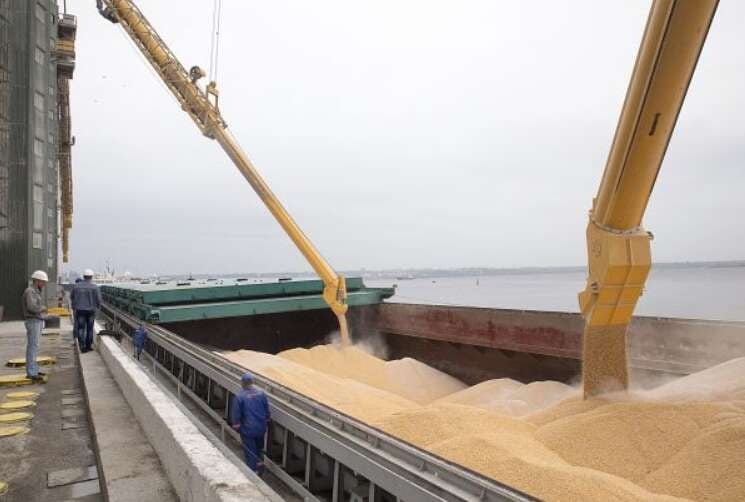
From next week, restrictions regarding the export of agricultural products through the Baltic port of Klaipeda will come into force in Lithuania. Wheat, barley, corn, and sunflower seeds arriving from Russia and Belarus will not undergo customs clearance until laboratory test results are received. These measures have been introduced to verify the actual origin of the shipments.
Duration of inspections and exporter liability
A representative of the Lithuanian Ministry of Agriculture stated that the analysis process may take two months or longer. «Перевірки можуть зайняти два місяці і більше. Якщо заявлене походження виявиться хибним, вантаж доведеться повернути або знищити» ("Inspections may take two months or more. If the declared origin proves to be false, the cargo will have to be returned or destroyed"), the official noted.
Since the country lacks laboratories capable of conducting the necessary tests, analyses are performed abroad, which entails additional timeframes. All financial costs associated with the storage, inspection, return, or destruction of the grain are borne by the exporters.
Context of sanctions and logistical changes
As Reuters notes, although European Union sanctions prohibit the import of Russian grain, the transit of this product through the bloc’s territory remains permitted. The Baltic states are attempting to halt such transit through their ports. This is linked to the fact that following Ukrainian attacks on ships and Black Sea port infrastructure, Moscow has more actively used Baltic routes for exports.
In September of this year, Lithuania already began inspecting batches of grain from Russia and Belarus, expressing suspicion that part of the product originates from the temporarily occupied territories of Ukraine. Moscow has not commented on the status of grain harvested in these territories.
Assessment of market impact
Commodity risk manager at StoneX, Matt Ammermann, notes that Russian wheat exports amount to approximately half of the usual volume, despite attempts to find alternative supply routes.




Comments
No comments yet. Be the first!