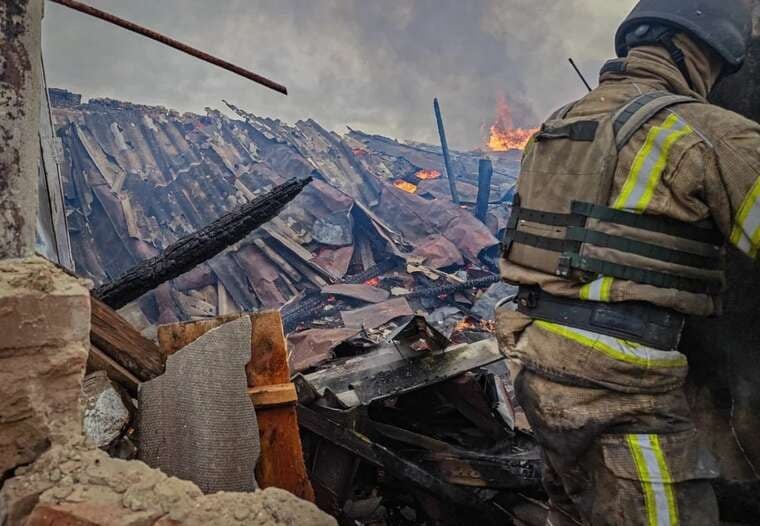
Three people injured in Russian drone strikes in Sumy region
The Russian army struck Sumy, Okhtyrka and Shostka districts with drones. Rescue services extinguished fires in buildings and vehicles.
The Russian army struck Sumy, Okhtyrka and Shostka districts with drones. Rescue services extinguished fires in buildings and vehicles.
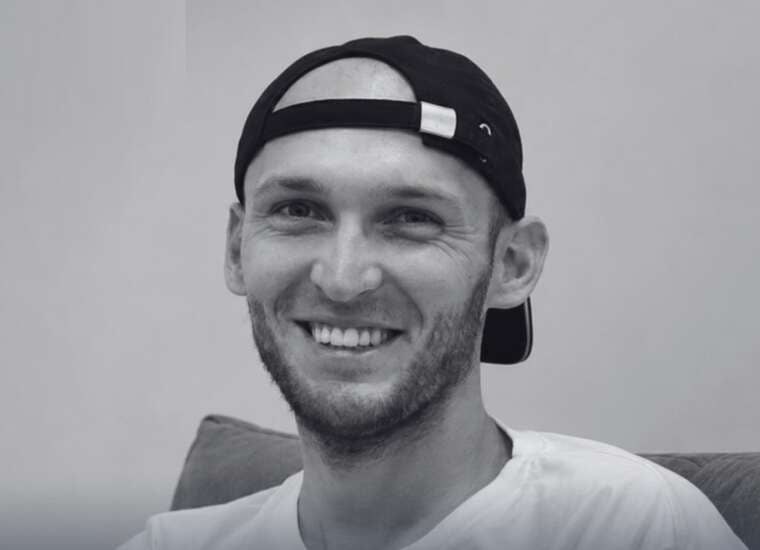
The volunteer, who evacuated people under fire and was one of the heroes of a documentary film, was killed while carrying out a combat mission.
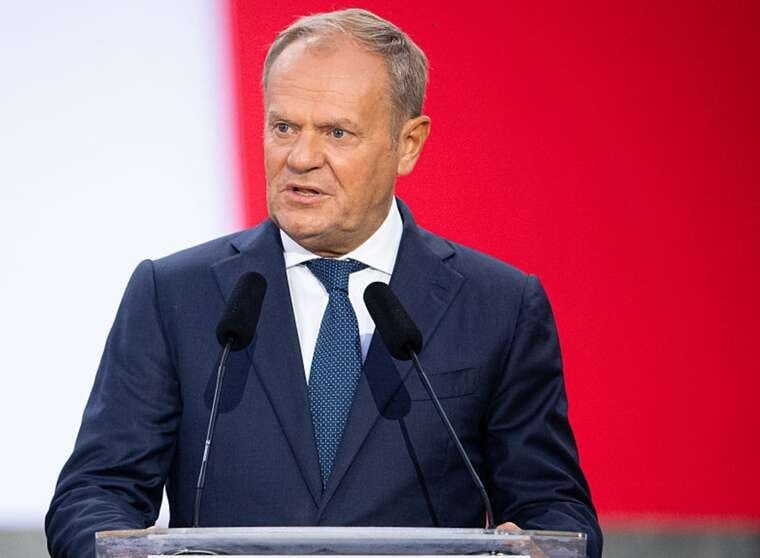
Polish Prime Minister Donald Tusk reacted sarcastically to the detention of Viktor Orbán's brother and the discovery of large sums of cash in hidden stashes during searches.
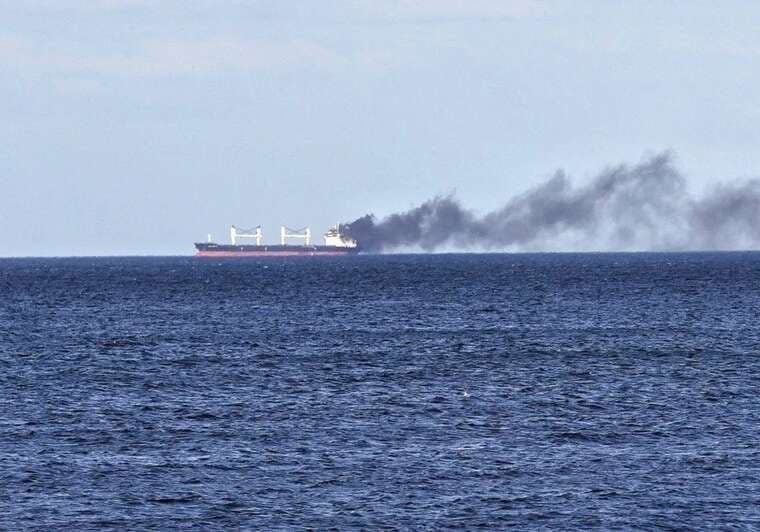
On Friday evening, a drone attacked the vessel Larissa 1 near Sfântu Gheorghe. The Romanian Defence Minister confirmed the incident; the investigation is ongoing.
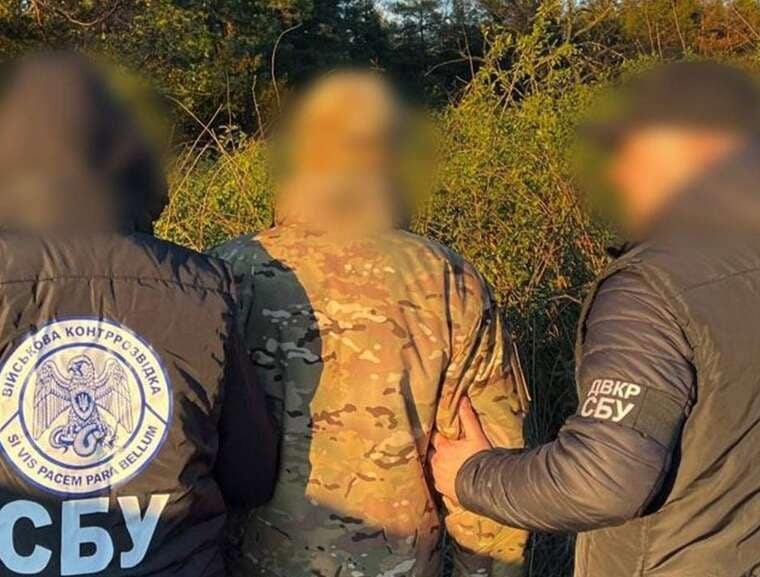
The SBU's military counterintelligence unit caught a senior officer receiving an improper benefit from subordinates for processing documents for rewards for destroying enemy equipment.
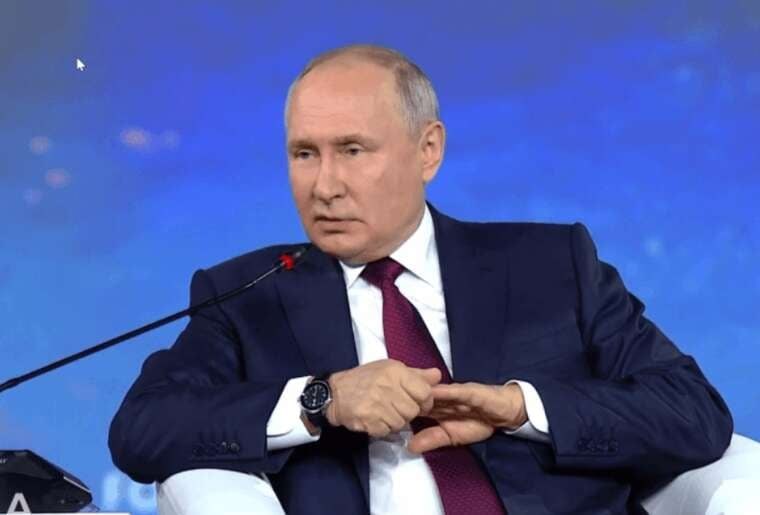
The Russian side insists that London renounce the use of its nuclear potential to protect other European states. This demand is part of the list of conditions for ending the war.
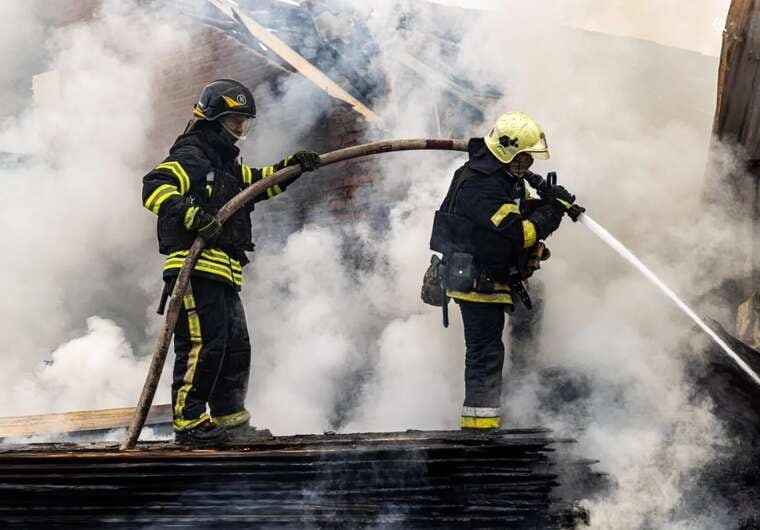
Russia attacked a critical infrastructure facility in Mena. Authorities report casualties and one injured.

The AI-generated influencer Kai Bradley has amassed a massive audience on Instagram and monetises it through the sale of an e-book, even though the character does not exist in reality.
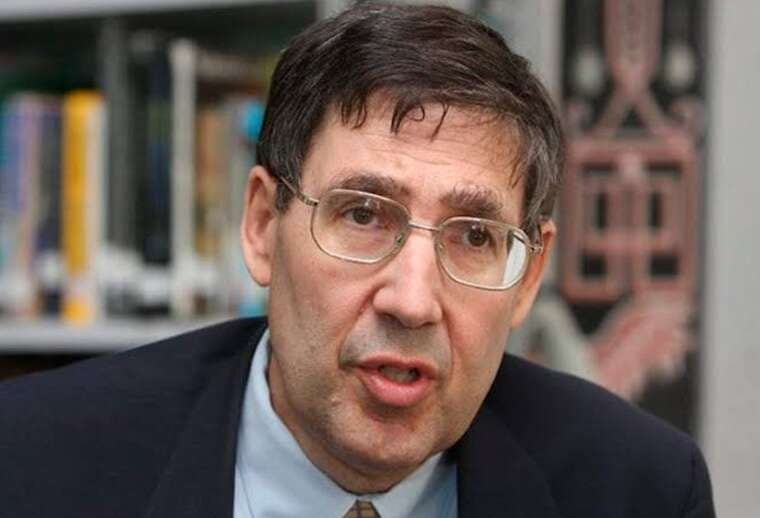
Vladimir Putin agreed to hold trilateral talks in Abu Dhabi not to achieve peace, but to give the Donald Trump administration a reason to continue distancing itself from Kyiv. This view was expressed by John Herbst, Director of the Eurasia Center at the Atlantic Council and former US Ambassador to Ukraine, in an article published on the organisation's website.
According to the former ambassador, Putin's strategic goal in Ukraine remains unchanged: to establish political control over it. The main instrument for achieving this goal is weakening Western, primarily American, support for the Ukrainian government.
«Стратегічна мета Путіна в Україні залишається незмінною – встановити над нею політичний контроль, а головним засобом досягнення цієї мети є послаблення західної, передусім американської, підтримки Києва» (Putin's strategic goal in Ukraine remains unchanged – to establish political control over it, and the main means of achieving this goal is weakening Western, primarily American, support for Kyiv), – Herbst emphasised.
The expert notes that since spring 2025, Donald Trump has proposed at least six initiatives to end or limit hostilities. Ukrainian President Volodymyr Zelensky agreed to each of these proposals, while Putin rejected or effectively blocked all of them.
The last of such initiatives was presented to the Russian leader by US Special Envoy Steve Witkoff in St Petersburg in October.
Herbst emphasises that in recent weeks, the Trump administration has taken a number of steps which, in his opinion, will make it easier for Russia to continue its aggression and more difficult for Ukraine to defend itself. Among these measures, the former ambassador highlights:
«Кремль зустрів усі ці поступки з великим ентузіазмом» (The Kremlin met all these concessions with great enthusiasm), – Herbst stated.
The former ambassador emphasises that Putin has not offered any concession of his own that could bring about a stable peace. Therefore, he views Moscow's agreement to a trilateral meeting in Abu Dhabi merely as a procedural step, rather than evidence of a change in Russia's position.
The limited expectations from the talks, according to Herbst, are also indicated by the composition of the Russian delegation. It will be headed by former Russian Minister of Culture Vladimir Medinsky, who has participated in most negotiations with Ukraine since March 2022, which have yielded no results.
Separately, Herbst drew attention to negotiations on a new architecture of European security. According to him, the Trump administration presented a plan that envisages an important role for NATO in security guarantees. US envoys Witkoff and Kushner discussed this plan with Ukraine and European partners during a visit to Brussels.
Meanwhile, the Kremlin shows no readiness for serious negotiations. Putin's foreign policy adviser Yuri Ushakov stated that the new security system must provide for the withdrawal from NATO of former Warsaw Pact countries and Baltic states.
«Це навряд чи відповідає інтересам США або забезпечить стабільність у Європі» (This is unlikely to serve US interests or ensure stability in Europe), – Herbst believes.
In the former ambassador's opinion, without real pressure on Russia and demands for concessions, the talks in Abu Dhabi are unlikely to bring peace closer. He warns: if the White House continues to be satisfied with symbolic gestures instead of real concessions from Moscow, Putin will not change his course, and the war will not only fail to end but may also intensify.
Comments
No comments yet. Be the first!