
Expert Romanenko forecasts fourth mass strike on Ukraine by end of November
Aviation expert Valeriy Romanenko stated that Russia may launch another large-scale strike by the end of the current month, using various types of weapons.
Aviation expert Valeriy Romanenko stated that Russia may launch another large-scale strike by the end of the current month, using various types of weapons.
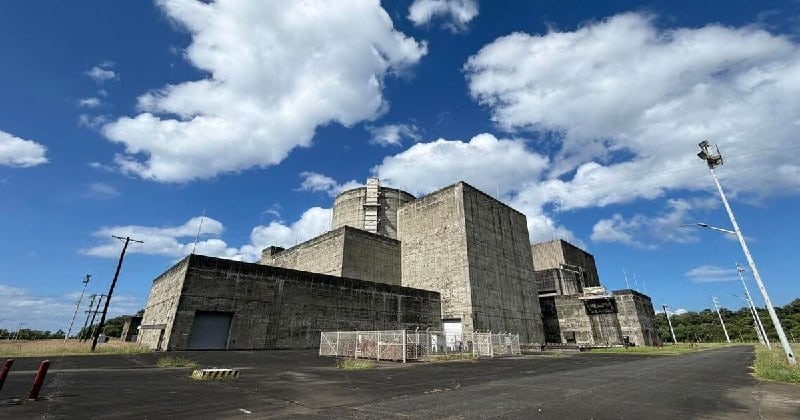
Presidential administration reviews foreign technologies and selects from seven potential sites, also considering the Bataan Nuclear Power Plant option.
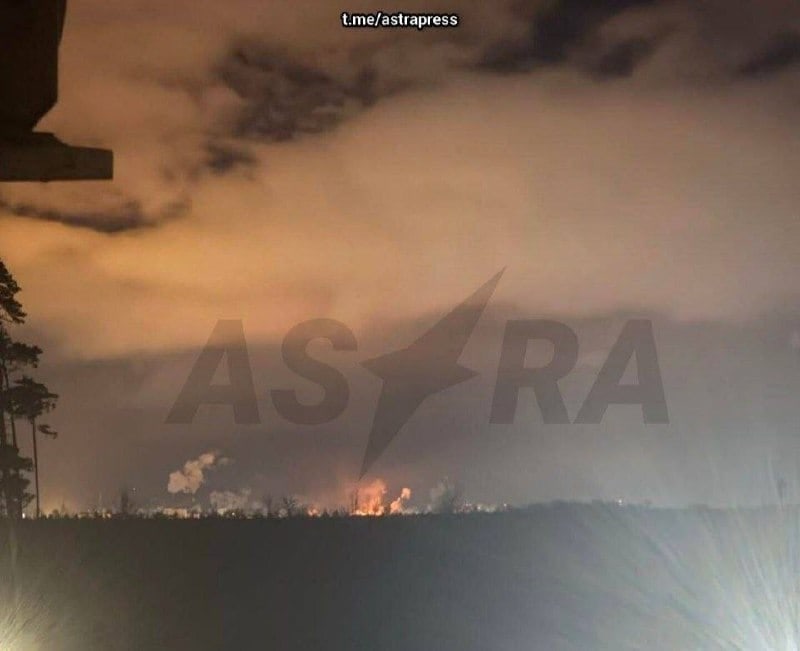
Ukrainian Armed Forces delivered new strikes on key Russian energy sector facilities, including the Samara and Nurlino stations, and destroyed the Rubicon unit's training base in Zaporizhzhia Oblast.

Russian troops are forming mobile fire groups based on old machine guns to compensate for the shortage of specialised air defence systems.
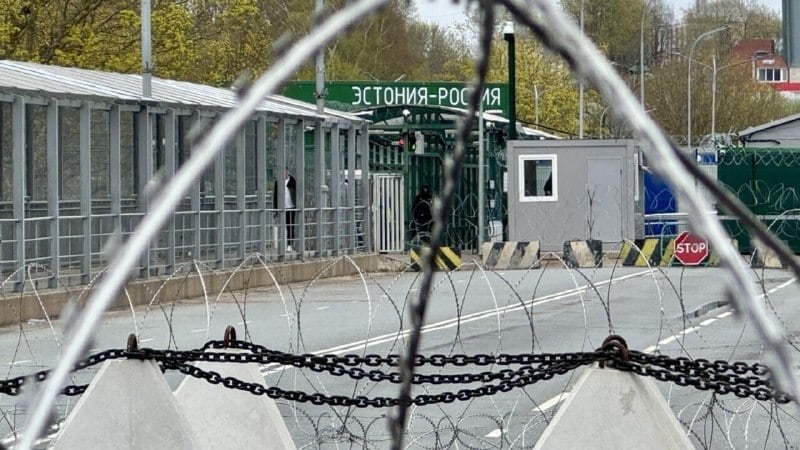
Following a sabotage attempt against Threod Systems, Tallinn halted border crossings. Russian propaganda claims this will ruin the country, but statistics show Estonia's minimal dependence on the Russian Federation.

Russian investor who previously worked at Kaspersky Labs holds multi-billion dollar share in company issuing USDT stablecoin.

Radu Miruță said that Bucharest deliberately ignored a Russian flight ban during the interception of a maritime drone, which could have provoked a military response from Moscow.
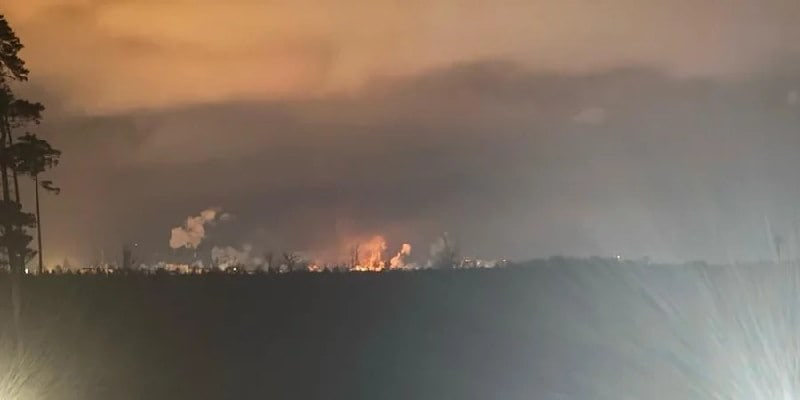
On the night of 29 November, Main Intelligence Directorate (HUR) drone operators carried out a strike on the KuibyshevAzot plant in Tolyatti.
The General Staff of the Armed Forces of Ukraine confirmed successful strikes on three important objects in Russia's oil industry. Among the targets were the Samara oil pumping station (HVPS), which is part of the Transneft system and is a node of the Urals export blend, the Nurlino station in Bashkortostan, and the Novoshakhtinsk Oil Refinery (NOR) in Rostov Oblast. This is already the second strike on this refinery in the past week.
On the night of 28 November, drones attacked the Samara HVPS (Prosveet) in Samara Oblast. This station is one of the key facilities for blending oil from different pipelines into the main Urals export grade. According to Ukrainian military estimates, up to 50% of Russia's oil export passes through this node. A fire broke out in the station's tank farm. This is the third hit on the facility in November (previous strikes occurred on the 2nd and 25th), which could significantly affect the shipping schedule and oil revenues of the Russian budget, even if the downtime is partial. The exact extent of the damage is not disclosed.
The Novoshakhtinsk Oil Refinery, the only plant of its type in Rostov Oblast with a capacity of 5.6–7.5 million tonnes of oil per year, sustained a repeat strike on the night of 28 November. This facility is one of the largest fuel suppliers in southern Russia, including for military formations at the front. Witnesses reported a strong light from explosions visible from 20 kilometres away, and monitoring channels recorded a burning tank.
Following the previous strike on 23 November, when, according to General Staff data, 20 tanks were destroyed and another 32 damaged, the plant temporarily halted operations. The new attack will likely delay the resumption of production by several weeks, resulting in a loss of several hundred thousand tonnes of processing per month.
Also on the night of 28 November, the Nurlino oil pumping station in Bashkortostan, located more than 1,200 km from the Ukrainian border, was hit. This is a key node of the main pipelines that supply oil to refineries in the Urals and Volga regions, as well as export routes. The scale of the damage is currently unknown, but simultaneous strikes on Nurlino and Samara hit the same oil pumping chain.
The Southern Defence Forces released information about the strike on the Rubicon unit's base in Berdiansk (Zaporizhzhia Oblast) on 28 November. Rubicon is an elite drone structure of the Centre for Prospective Unmanned Technologies, specialising in hunting Ukrainian pilots and logistics.
As a result of the strike, the operators' training base, residential premises, and drone warehouses were destroyed. According to preliminary data, more than 30 occupiers were killed, and up to 70 were injured. Command staff are among the dead. Witnesses mention secondary detonations. The loss of qualified operators and commanders inflicts greater damage on Rubicon than the loss of equipment.
On the night of 29 November, drones attacked the Togliattikauchuk plant in Tolyatti (Samara Oblast). This enterprise produces synthetic rubbers and petrochemicals used for manufacturing tyres, rubber-technical products for military equipment, and raw materials for solid rocket fuel. The facility had already been attacked in October. Local residents are publishing videos of the fire.
Also on the night of 29 November, industrial zones in Nizhnekamsk (Tatarstan) were attacked, where Nizhnekamskneftekhim (Sibur Holding), TANEKO refinery, and TAIF-NK are located. The specific target in the industrial zone has not yet been identified.
As of noon on Sunday, 29 November, reports are coming in of a possible attack on the Kapustin Yar missile test range in Astrakhan Oblast, from which Russia launched the Oreshnik missile at Dnipro. Details of the incident are not being disclosed.
The 8th Assault Landing Corps used a HIMARS system to strike an occupier logistics hub in the village of Snahosta in Kursk Oblast, located approximately 7 km from the border. This transit node was used by Russia to supply troops to border sections of Sumy Oblast.
Between 17:00 on 28 November and the morning of 29 November, a massive drone attack was carried out on the Moscow region. Moscow Mayor S. Sobyanin stated that 542 drones were flying towards the region, of which 105 were destroyed "on approach". The data is based on information from monitors and Russian sources. Airports in the region restricted operations until the morning. The targets of the attack and the consequences are currently unknown.
Russia launched 140 drones, of which Ukrainian air defence shot down or suppressed 101. As a result of the attacks, people were killed in Odesa and Zaporizhzhia.
It is also worth noting that the Charter project carried out the first autonomous combat mission of a ground robot with artificial intelligence. The device travelled almost 20 kilometres without operator involvement.
Comments
No comments yet. Be the first!