A comprehensive check of personal data for men aged 17 to 60 is beginning in Ukraine. The Ministry of Defence will gain access to information from state registries, allowing it to update military record databases, identify contradictions in entries, and determine citizens who are currently not listed.
Mechanism for data exchange between agencies
As part of the verification process, the State Migration Service (DMMS) will transfer information from its departmental information system and the Unified State Demographic Registry to the Ministry of Defence. The received data will be automatically cross-referenced with information already contained in the 'Obereg' registry of conscripts, persons liable for military service, and reservists.
The Ministry of Defence has 30 calendar days from the moment it receives information from the migration agency to conduct the direct verification.
According to TSN, MP Ruslan Horbenko links the government's decision to the need to assess Ukraine's mobilisation potential for 2027. In his words, during the check, special attention may be paid to men who have not updated their military record data, have not reported for summonses, have acquired disabilities during the full-scale war, as well as students aged 25 and older.
However, the Cabinet of Ministers' resolution itself does not provide for separate changes to mobilisation rules for these categories of citizens.
Which personal data is subject to verification
Lawyer Daria Tarasenko, who specialises in military legislation, explained that a number of personal details will be updated during the verification. Specifically, this includes:
- identification code;
- details of domestic and foreign passports;
- surname, first name, and patronymic;
- date and place of birth;
- address of registered or declared residence;
- information on citizenship;
- unique record number in the demographic registry;
- sex;
- digitised facial image.
Information exchange between state bodies will be conducted via secure channels in compliance with legal requirements regarding personal data.
Possible consequences of registry update
According to Daria Tarasenko's assessment, the large-scale database update may have several consequences for conscripts and persons liable for military service. First, state agencies will be able to identify citizens who should be on military records but for whom information is missing from the registry. Second, updating personal details will help establish current data on individuals subject to conscription for military service.
Third, the registry update may simplify the provision of certain state services, particularly the processing of passport documents by Ukrainians abroad, if the lack of necessary information previously hindered this. In addition, discrepancies indicating possible violations of military record rules may be identified when cross-referencing information from different state registries.
At the same time, the lawyer drew attention to the risk of technical errors arising during the large-scale information update.
Recommendations for citizens
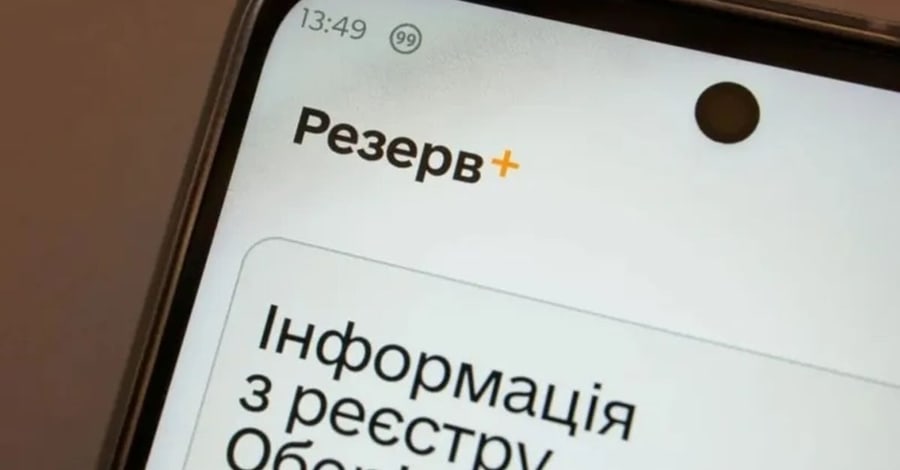
Against the backdrop of the upcoming verification, lawyers advise citizens to periodically check the information in their electronic military record documents. Particular attention should be paid to:
- the presence and validity period of a mobilisation deferment;
- the currency of personal data;
- information on being on military records;
- the appearance of notes regarding violations of military record rules or being wanted.
In case of incorrect information being found, it is necessary to apply for its clarification and correction in the established order.
Does the check mean stricter mobilisation
It is important to note that the verification procedure itself does not change the mobilisation age, does not cancel legal grounds for deferment, and does not imply the automatic conscription of all men whose data will be checked. In particular, the inclusion of 17-year-old citizens in the check is related to the maintenance of military records, not to the introduction of mobilisation for minors.
The main official purpose of the government's decision is to increase the reliability and completeness of information in the 'Obereg' registry.





Comments
No comments yet. Be the first!