
Ex-CIA and UK Defence Staff chiefs propose handing €10bn to Ukraine
Former heads of the CIA and the UK Defence Staff proposed a mechanism for automatic payments to Ukraine from frozen Russian funds, supported by Rishi Sunak and Boris Johnson.
Former heads of the CIA and the UK Defence Staff proposed a mechanism for automatic payments to Ukraine from frozen Russian funds, supported by Rishi Sunak and Boris Johnson.

The Prime Minister announced that sole proprietors and LLCs will be able to receive state support for purchasing generators and other equipment for energy security.

Aviation expert Valeriy Romanenko stated that Russia may launch another large-scale strike by the end of the current month, using various types of weapons.
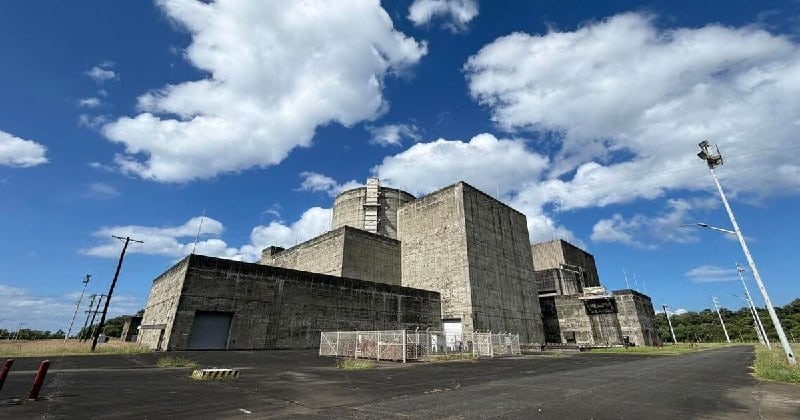
Presidential administration reviews foreign technologies and selects from seven potential sites, also considering the Bataan Nuclear Power Plant option.

Ukrainian Armed Forces delivered new strikes on key Russian energy sector facilities, including the Samara and Nurlino stations, and destroyed the Rubicon unit's training base in Zaporizhzhia Oblast.

Russian troops are forming mobile fire groups based on old machine guns to compensate for the shortage of specialised air defence systems.
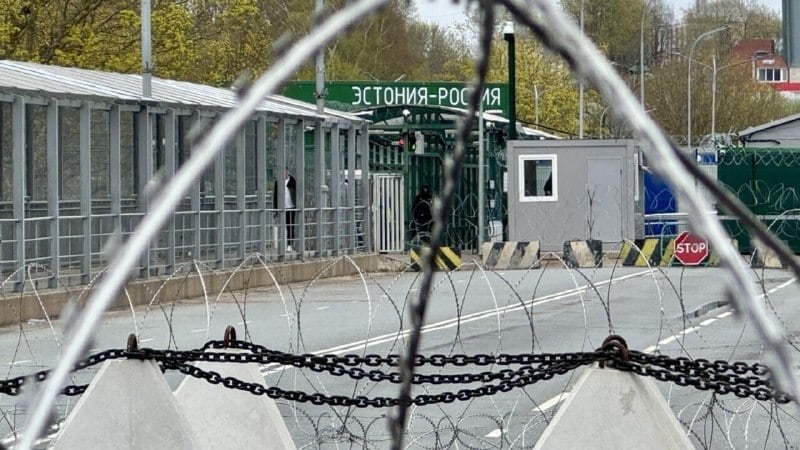
Following a sabotage attempt against Threod Systems, Tallinn halted border crossings. Russian propaganda claims this will ruin the country, but statistics show Estonia's minimal dependence on the Russian Federation.

Russian investor who previously worked at Kaspersky Labs holds multi-billion dollar share in company issuing USDT stablecoin.
The administration of President Ferdinand Marcos Jr has intensified efforts to revive the nuclear energy development programme. The country's authorities are currently reviewing foreign nuclear technologies. Seven potential sites have already been identified in five provinces, and the selection of a specific project for further implementation is scheduled to take place by the end of 2027.
One of the possible facilities remains the Bataan Nuclear Power Plant, whose construction was completed in 1984 but which was never put into operation. Now, four decades after its mothballing, some equipment at the plant is still in its factory packaging, and most of the original coating has been preserved, although rust has appeared on the metal structures over time, and cobwebs have accumulated in the rooms.
The programme was frozen about 40 years ago following the fall of the Ferdinand Marcos Sr regime. This step was driven by corruption scandals surrounding the plant's construction and concerns about its safety.
The Philippines still lacks a number of necessary conditions for launching nuclear energy. In particular, the country has no adequate regulatory system, emergency response mechanisms, or infrastructure for storing radioactive waste.
Resuming operations at the Bataan Nuclear Power Plant is complicated by significant modernisation costs and the facility's ageing infrastructure.
Comments
No comments yet. Be the first!