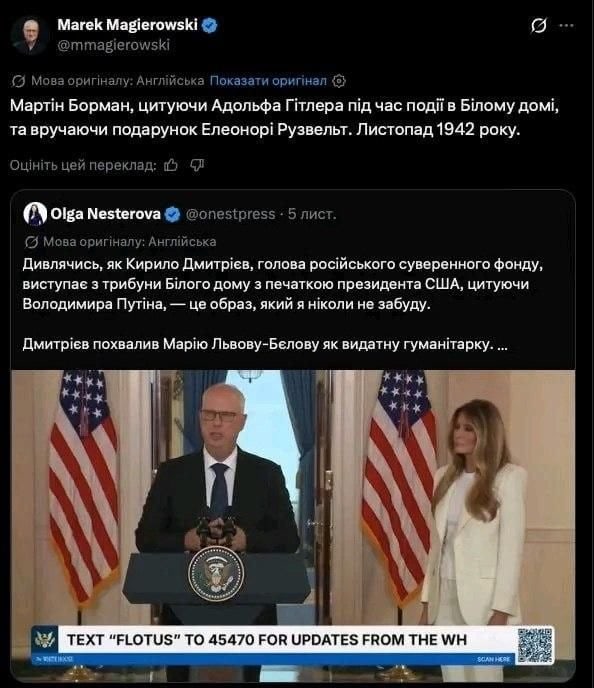
Polish Ambassador to the US thanks for exposing the essence of the 'sabbath'
The diplomat noted in a comment the importance of openly covering the issue instead of remaining silent, using emotional vocabulary.
The diplomat noted in a comment the importance of openly covering the issue instead of remaining silent, using emotional vocabulary.
According to the energy committee member, the enemy is attempting to destroy the capital's energy ring to completely deprive the city of electricity.
The Kyiv Regional Military Administration reports a fire in warehouse facilities caused by a strike.
Dmytro Lubinets said that Serhiy from Zolotonosha was mobilised after a seizure at a TCC, but an assault brigade refused to accept him. His body was found dead after two months of searching.

Berlin is consulting with the International Ice Hockey Federation on barring the Russian team from the 2027 tournament, also considering visa refusals.
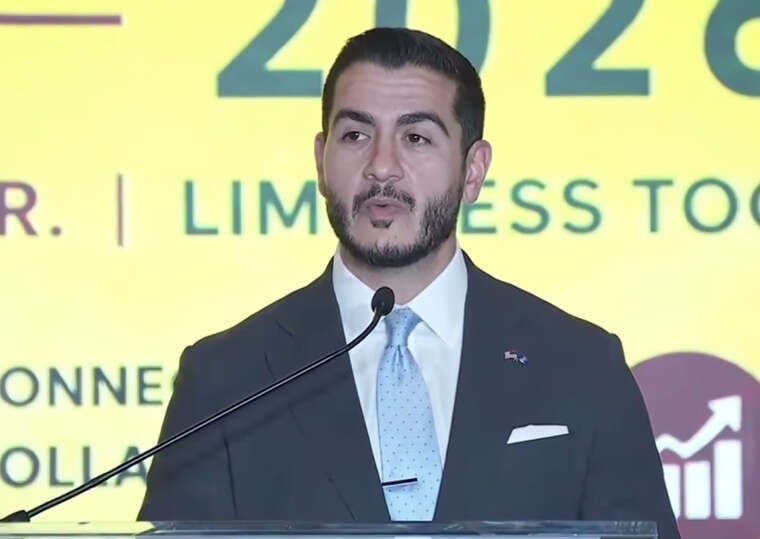
Elected Michigan Senator Abdul El-Sayed explained why he introduced himself by his full name in his victory speech, comparing it to the names Mike and Donald.
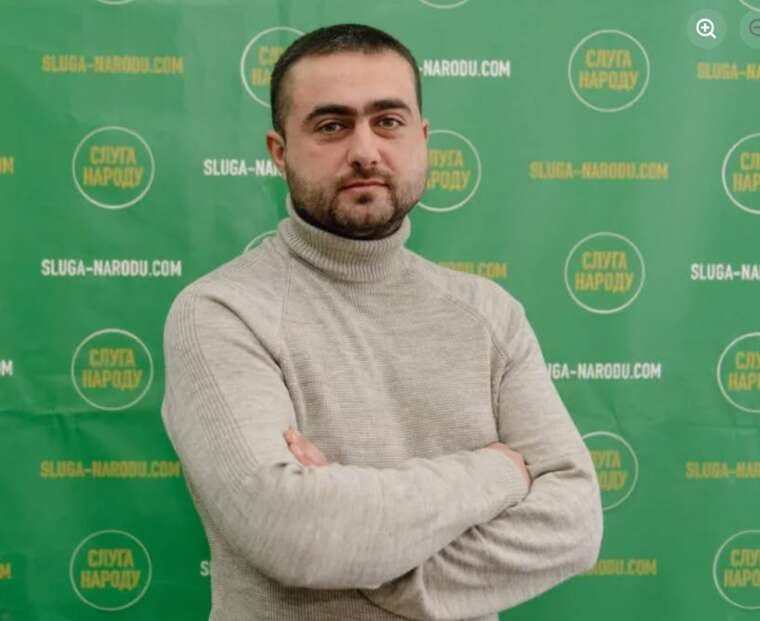
Civil proceedings opened against a member of the Ternopil City Council from the Servant of the People party over a loan agreement debt. The case is separate from public claims regarding multi-million-dollar loans.

A tragic road accident occurred in Pryluky, Chernihiv Oblast: a pedestrian born in 1942 died in hospital after being hit by a Mercedes-Benz Vito.
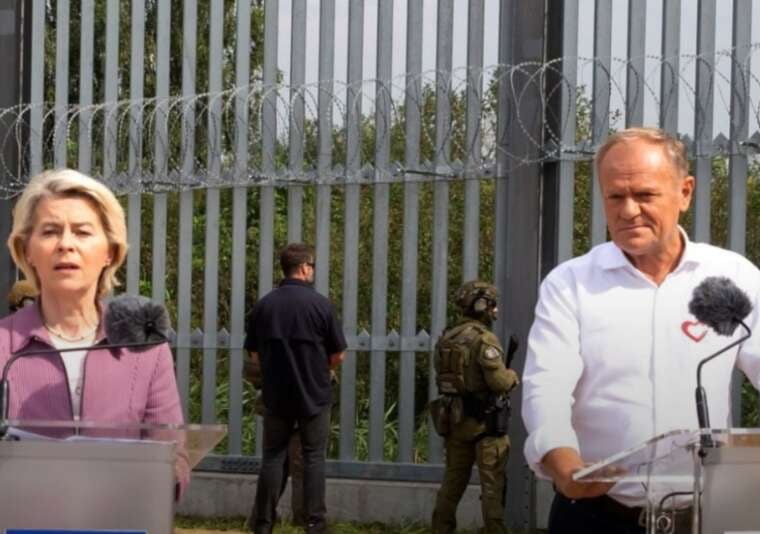
The European Commission has officially proposed to exempt Poland from the obligation to accept migrants or pay financial contributions for refusing their resettlement. This initiative covers the period from 1 January to 31 December 2027. This became known on Friday, 6 November.
In addition to Poland, Bulgaria, the Czech Republic, Estonia, Croatia and Austria were included in the list of states that may receive similar relief.
The European Commission explains this proposal by the complex migration situation in the aforementioned countries. According to Commission representatives, this situation is a result of accumulated migration pressure over the past five years.
States on this list will be able to apply to the Council of the EU to fully or partially reduce their contributions to the 'Solidarity Pool' for 2027.
The basis for the proposal was a European Commission report presented on 4 November. The document identifies which countries can use the mandatory solidarity mechanism. This mechanism provides that EU member states must assist countries facing migration pressure. Support can be provided in the form of financial contributions, technical assistance or the resettlement of migrants. Each state independently chooses how to fulfil its obligations.
It is worth noting that until the end of 2026, Poland is already exempt from participation in this mechanism. During the previous assessment in 2025, the European Commission simultaneously classified it as a country with elevated migration pressure and a state in a difficult situation.
Among the reasons for this decision were the significant number of Ukrainian refugees in Poland, as well as constant attempts to illegally cross its eastern border.
For 2026, the European Commission planned the resettlement of 21,000 people and financial contributions from member states totalling €420 million.
However, EU countries committed to accepting fewer than 9,000 migrants. Germany took on the largest commitment — 4,500 people.
Meanwhile, Berlin chose a different format of participation: instead of directly accepting migrants, Germany undertook to examine asylum applications from people who arrived in the country from Italy and Greece.
Comments
No comments yet. Be the first!