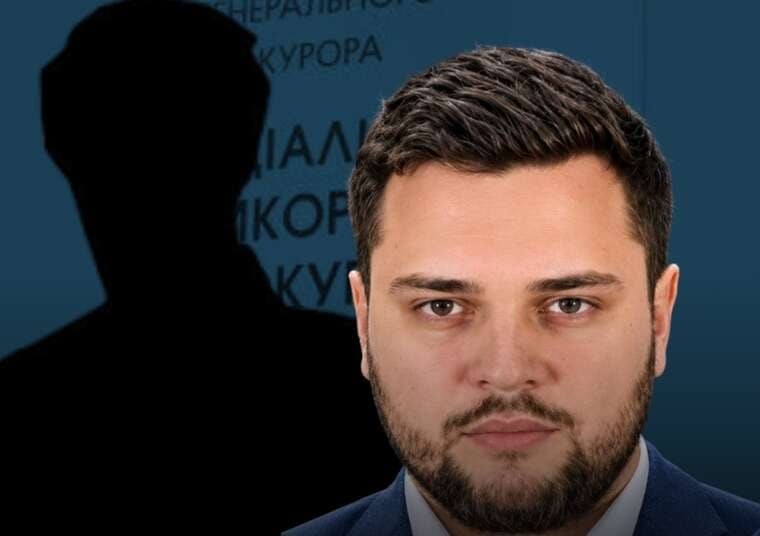
Two more candidates passed re-testing for deputy head of SAPO
The competition committee approved the results of the re-test on knowledge of legislation: two candidates got a chance to continue in the selection, while one dropped out of the race.
The competition committee approved the results of the re-test on knowledge of legislation: two candidates got a chance to continue in the selection, while one dropped out of the race.

Borussia Dortmund and Germany midfielder faces criticism after his symbolic gesture during a match was linked to the international Christian movement Ballers in God.

US courts are reviewing thousands of cases in which patients accuse manufacturers of popular weight-loss and diabetes drugs of causing gastric paralysis and vision loss.

Kyivkotloturboprom, which received a 1.94 billion UAH contract from Kyivteploenergo, has come under SBI scrutiny due to suspicions of transferring 25.5 million UAH abroad.

Due to the inability to guarantee personnel safety amid the prolonged war, the metallurgical plant in Kryvyi Rih has initiated the production conservation procedure.

Sources say the parties agreed to a large-scale prisoner of war exchange in the near future, though procedural details remain unknown.

During the detention of a man in Zaporizhzhia, his 12-year-old son ran after the patrol and began shouting. The child was taken to a medical facility due to stress.

Poet, prose writer and playwright Yosyp Strutsyuk has died. He was 92 years old. During his lifetime, the author published over 60 books and received a number of literary awards.
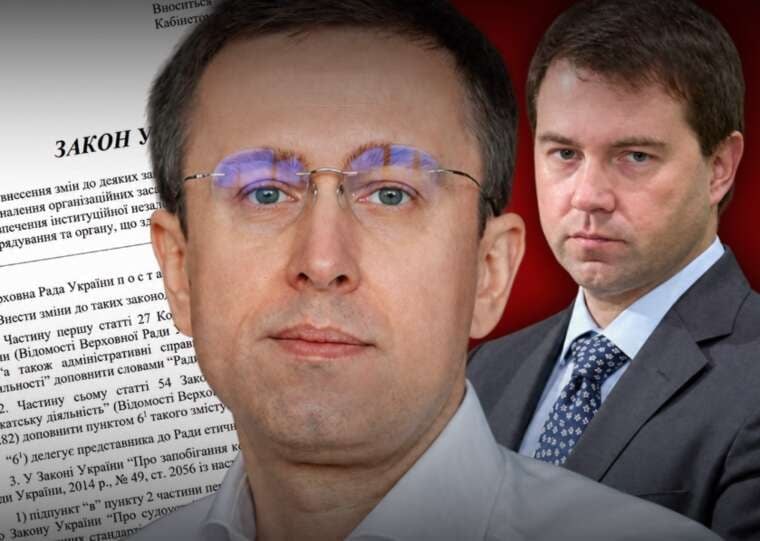
Verkhovna Rada MPs did not add bill No. 16144 to the session agenda. The bill provides for significant changes to the functioning of prosecution bodies. This is the second attempt in a month to advance this document in parliament.
According to the NGO "MEZHA", the current draft of the bill does not guarantee the proper independence of competitive procedures or sufficient vetting of the integrity of future prosecutors.
The government registered the bill on 12 October. The main goal of the initiative is to introduce competitions for leadership positions in the prosecution system and to change the operations of prosecutorial self-governance bodies.
Implementing these changes is part of Ukraine's obligations to the European Union under the Ukraine Facility programme. However, according to "MEZHA" analysts, the document requires serious refinement before the second reading, as the proposed mechanisms do not eliminate the possibility of influence over prosecutors and do not ensure transparency in the selection of candidates.
The NGO conducted a detailed analysis of the bill text and identified five main risks:
1. Retention of the Prosecutor General's powers regarding investigations. The bill retains the Prosecutor General's right to request any criminal proceedings. Experts believe this creates opportunities for influence over prosecutors' work and the blocking of investigations.
2. Insufficient independence of the Council of Ethical Standards. Four of the seven members of this body will represent the prosecution system itself. The Council's composition does not provide for independent representatives from international partners. Yet, this body is tasked with verifying the integrity and professionalism of candidates for prosecutorial self-governance bodies.
3. Lack of guarantees for competition transparency. The document does not establish clear requirements regarding the openness of competitive commission sessions, the publication of decisions, and the justification of selection results. According to "MEZHA", this leaves room for subjective decisions.
4. Risk of pressure on prosecutorial self-governance bodies. The bill allows for the recall of members of these bodies for "non-performance or improper performance" of duties. However, a specific list of violations and a clear recall procedure are not defined in the document.
5. Complication of filing disciplinary complaints. Complaints against prosecutors can be left unexamined if they contain wording that allegedly "degrades the honour and dignity of any person". "MEZHA" considers this an evaluative concept that allows for arbitrary interpretation of grounds for returning appeals. Furthermore, such a decision cannot be appealed.
The NGO "MEZHA" has already sent its analytical opinion on the bill to the National Agency on Corruption Prevention, the relevant Verkhovna Rada committees, the Office of the Prosecutor General, the Cabinet of Ministers, and the Ministry of Justice.
The organisation insists on the need to refine bill No. 16144 before adopting it in its entirety.
Comments
No comments yet. Be the first!