
Done's Schemes: How Ukrainian Hryvnia Turns into Swiss Francs via Importers
Investigation reveals a network of companies where funds are collected in Ukraine, converted into foreign currency, and transferred to Swiss Done Switzerland AG.
Investigation reveals a network of companies where funds are collected in Ukraine, converted into foreign currency, and transferred to Swiss Done Switzerland AG.

Taras Vysotsky stated that alternative logistics corridors provide only 45% of the required volumes, threatening the loss of a significant portion of the harvest.
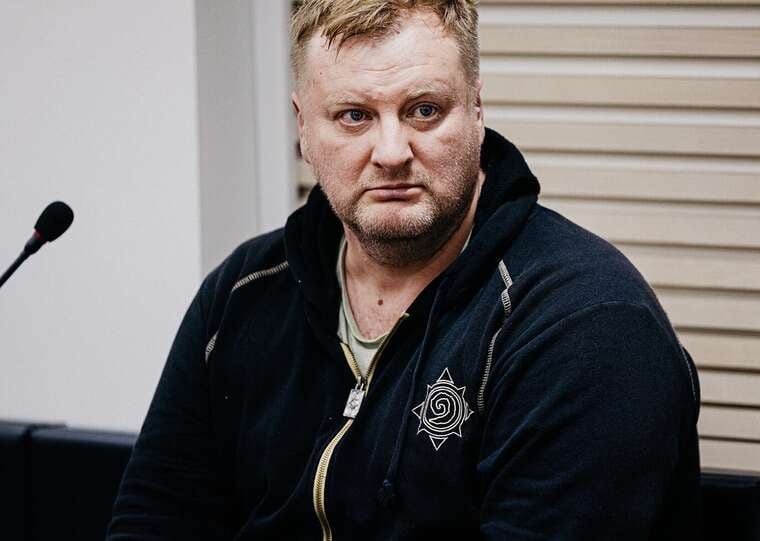
Lead State Prosecutor Taavi Pern confirmed that the activist was aware of the criminal liability for his actions, having contacted individuals who already had convictions for similar offences.

Investigators uncovered a scheme for the misappropriation of military property organised by the deputy commander of the unit. The process was later overseen by an SBU counter-intelligence officer assigned to the unit.
A representative of the ATB chain dispelled rumours about warehouse destruction, explaining that the buckwheat shortage is due to the cessation of supplies, while the disappearance of sugar is temporary.

European experts warn that restrictions on US diesel exports could become a trigger for a historic rise in prices on the continent.
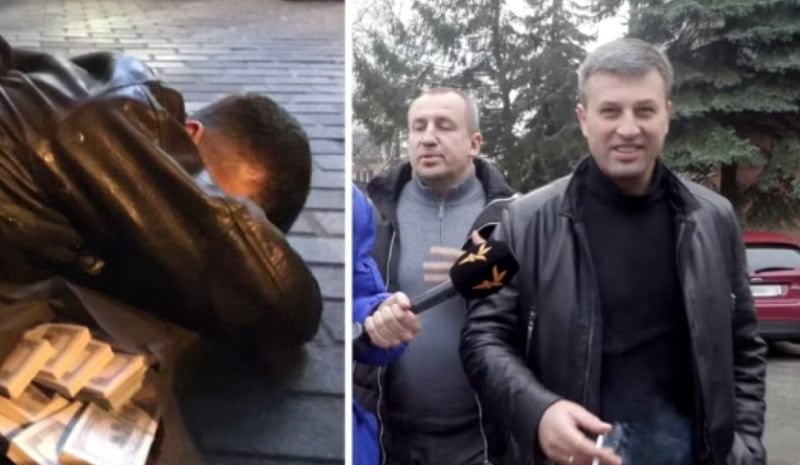
Shevchenkivskyi District Court of Kyiv found two former prosecutors not guilty of demanding $150,000 to close a case.

Investigation revealed that custodian company Trustee Plus has legally ceased to exist, while customers face fund blocking under the pretext of audits.
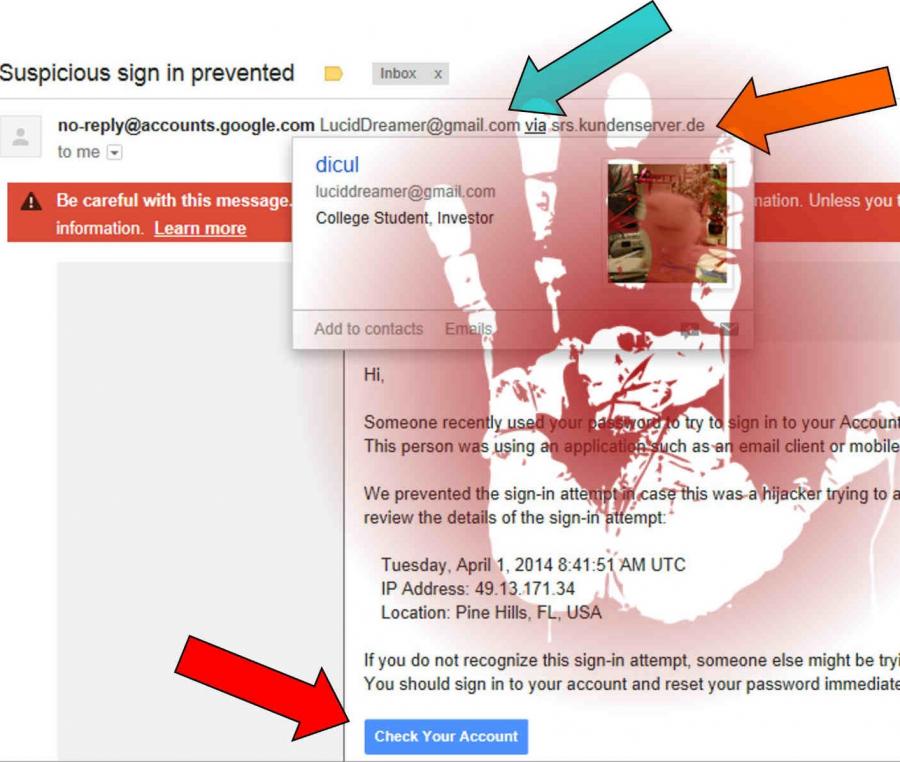
The Astaroth malware, available on the dark web, has received updates that hackers are distributing via the Telegram messenger. Cybersecurity experts warn that the new virus poses a serious threat to email users.
Phishing attacks on Gmail
Cybercriminals have targeted the largest email service — Gmail. They use fake login pages that look identical to the originals to steal user credentials. According to specialists, the main defence against such attacks remains an active spam filter. If it is disabled, fake emails may end up in the "Inbox" folder, and users, unaware of the trick, may enter their details.
How does Astaroth work?
Digital security expert James Knight noted that Astaroth is capable of bypassing two-factor authentication. This means that hackers can impersonate any user. The virus does not just steal passwords — it gains access to banking details, card numbers, and other confidential information.
Bypassing security mechanisms
It was previously believed that phishing attacks only worked through malicious links in emails. However, Astaroth uses fake web pages that look official but are not detected by security filters.
First attack and consequences
Attacks using Astaroth were first recorded in May of last year. During this time, criminals stole funds from victims' accounts and gained access to their personal data.
How to protect yourself?
Do not disable Gmail spam filters;
Carefully check links before entering data;
Use strong passwords and two-factor authentication;
Avoid clicking on suspicious emails.
Comments
No comments yet. Be the first!