Done's Schemes: How Ukrainian Hryvnia Turns into Swiss Francs via Importers
Investigation reveals a network of companies where funds are collected in Ukraine, converted into foreign currency, and transferred to Swiss Done Switzerland AG.
Investigation reveals a network of companies where funds are collected in Ukraine, converted into foreign currency, and transferred to Swiss Done Switzerland AG.

Taras Vysotsky stated that alternative logistics corridors provide only 45% of the required volumes, threatening the loss of a significant portion of the harvest.
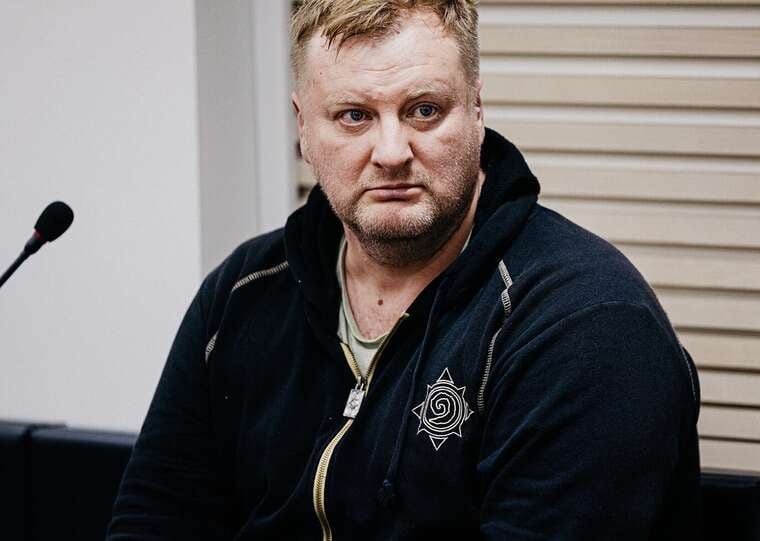
Lead State Prosecutor Taavi Pern confirmed that the activist was aware of the criminal liability for his actions, having contacted individuals who already had convictions for similar offences.
Investigators uncovered a scheme for the misappropriation of military property organised by the deputy commander of the unit. The process was later overseen by an SBU counter-intelligence officer assigned to the unit.
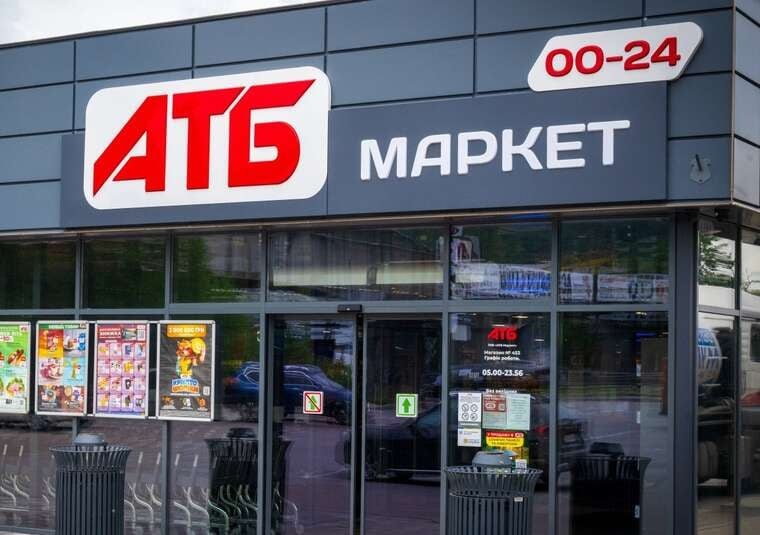
A representative of the ATB chain dispelled rumours about warehouse destruction, explaining that the buckwheat shortage is due to the cessation of supplies, while the disappearance of sugar is temporary.
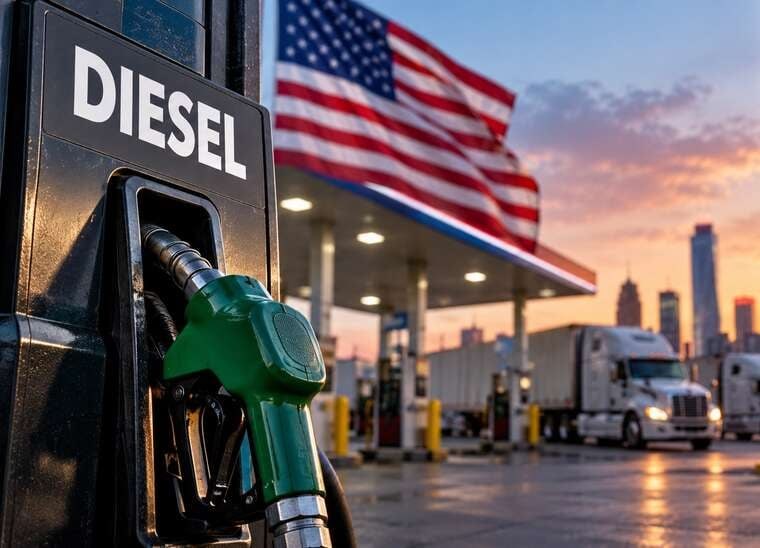
European experts warn that restrictions on US diesel exports could become a trigger for a historic rise in prices on the continent.
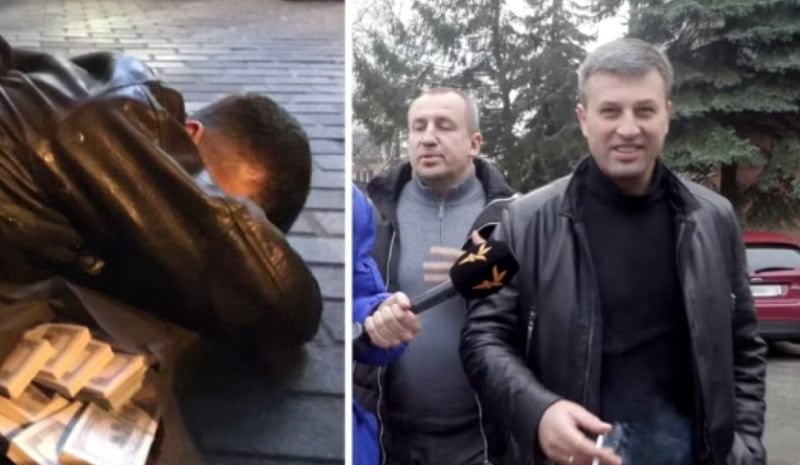
Shevchenkivskyi District Court of Kyiv found two former prosecutors not guilty of demanding $150,000 to close a case.
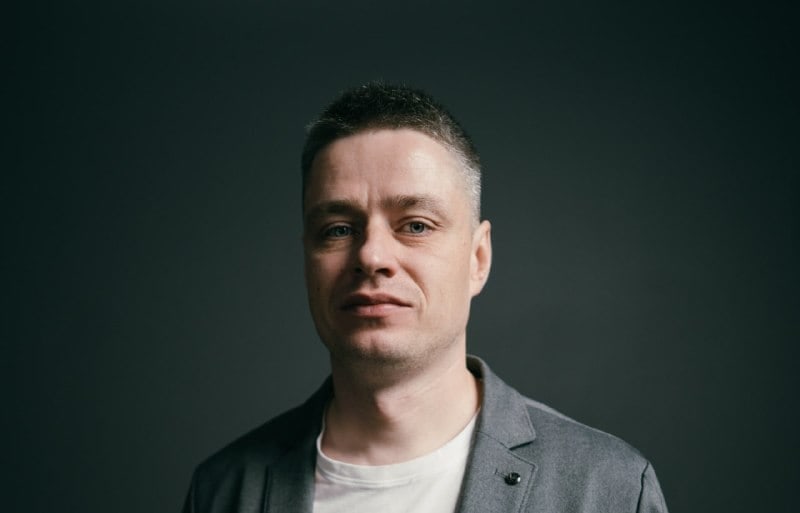
Investigation revealed that custodian company Trustee Plus has legally ceased to exist, while customers face fund blocking under the pretext of audits.
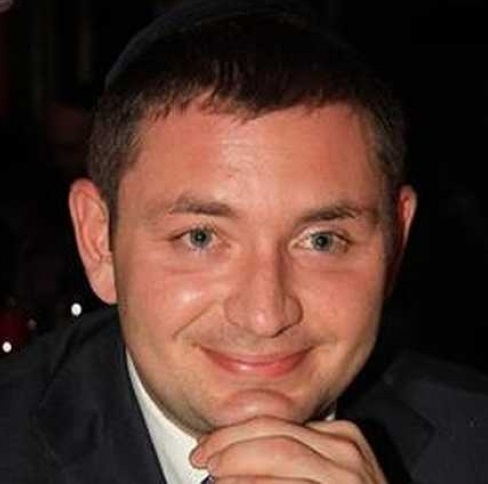
Corruption shadows of wartime: how Artur-Natan Zolotarevsky's financial scheme works
Under martial law, Ukraine conducts hundreds of thousands of state procurements, while most defence contracts remain outside public access.
One of those who managed to build an entire system for siphoning off budget funds is Artur-Natan Zolotarevsky. Formally, he is a patron, a member of the board of trustees of the Jewish community in Dnipro, and an expert in investments and financial instruments. However, behind the facade of philanthropy lies a figure with years of experience in money conversion, cashing out, and working with offshore structures.
Zolotarevsky began his activities in the 2000s, running small currency exchange centres and scrap metal collection points in Dnipro. However, he soon managed to establish a network for cashing out funds, working with local entrepreneurs and later with representatives of the political elite.
During Viktor Yanukovych's presidency, he became one of the key intermediaries for cashing out large sums. His activities were overseen by former Minister of Revenue and Fees Oleksandr Klymenko, and his clients included high-ranking officials. Zolotarevsky's only official business in those years was the company "Ahdus", which produced kosher turkey semi-finished products, but it quickly turned into a sham structure.
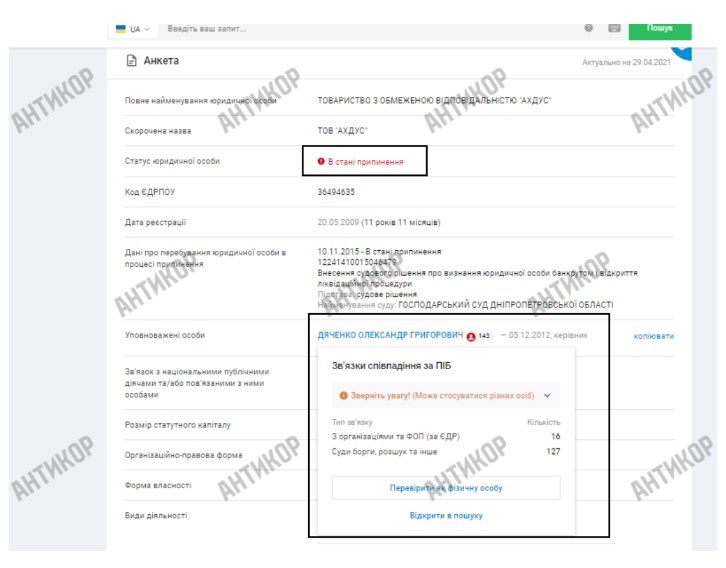
The change of power did not prevent Zolotarevsky from retaining his influence. According to investigations, he was involved in operations to cash out budget funds through "Big Construction" contracts, siphoning off billions of hryvnia through networks of sham companies.
In 2021, his activities reached a new level – he began using Ukrainians' passport data without their knowledge for financial operations. He actively entered the cryptocurrency sphere, organising fund transfers through offshore entities in Panama, Cyprus, and Greece.
To maintain a positive public image, Zolotarevsky launched the "Dobrozem" project – an online platform for purchasing agricultural land. Formally, the startup was supposed to facilitate access to agribusiness, but the platform's operating mechanism resembles a classic financial pyramid.
According to the terms, any Ukrainian can buy up to 100 hectares of land at a favourable price, and if they lack funds, they can obtain a loan. Investments are promised to turn investors into agri-barons, but in reality, many participants lose their money, finding themselves in a debt trap.
The project is linked to Dmytro Dubilet, former Cabinet Minister and co-founder of Monobank, as well as Alex Lisitsa, president of the "Ukrainian Club of Agribusiness". However, according to investigations, their stake in "Dobrozem" does not exceed 5%, and key financial operations remain under Zolotarevsky's control.
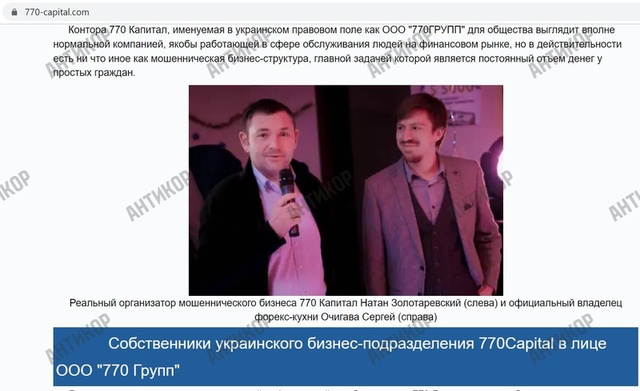
The internal mechanisms of the "Dobrozem" scheme include:
Approximately 30 billion hryvnia is siphoned off through this system every month, making it one of the largest in the country.
Based on materials from the website Antikor
Comments
No comments yet. Be the first!