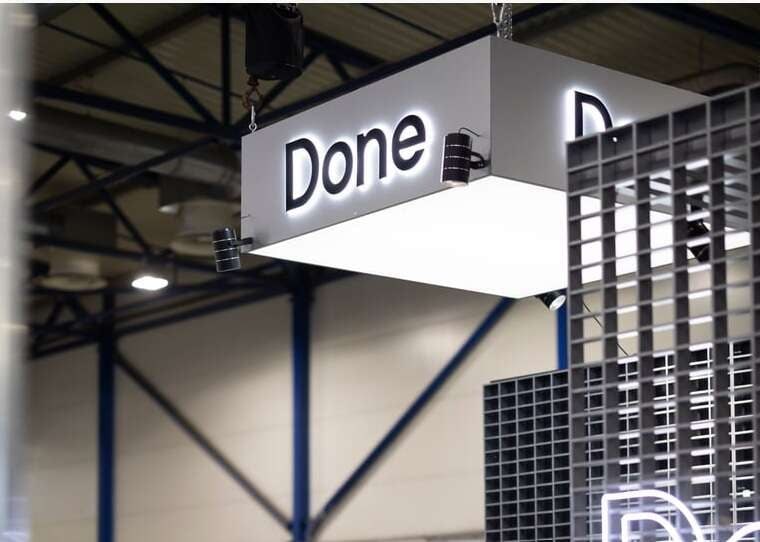
Done's Schemes: How Ukrainian Hryvnia Turns into Swiss Francs via Importers
Investigation reveals a network of companies where funds are collected in Ukraine, converted into foreign currency, and transferred to Swiss Done Switzerland AG.
Investigation reveals a network of companies where funds are collected in Ukraine, converted into foreign currency, and transferred to Swiss Done Switzerland AG.

Taras Vysotsky stated that alternative logistics corridors provide only 45% of the required volumes, threatening the loss of a significant portion of the harvest.
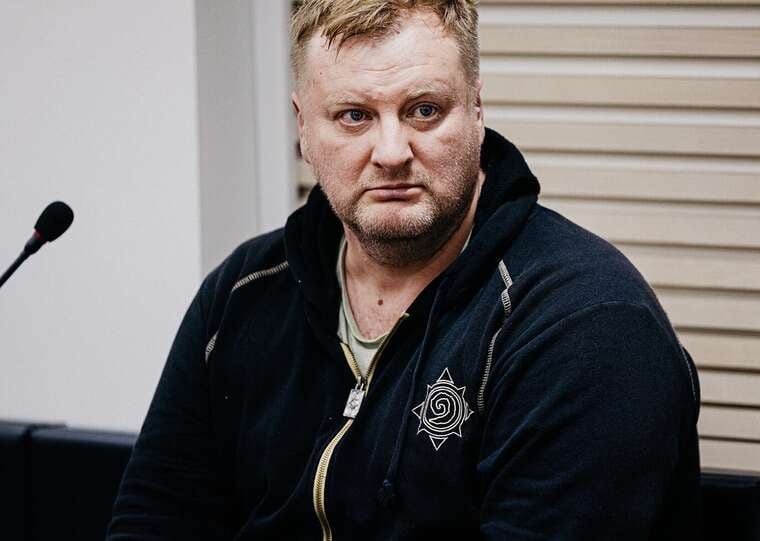
Lead State Prosecutor Taavi Pern confirmed that the activist was aware of the criminal liability for his actions, having contacted individuals who already had convictions for similar offences.
Investigators uncovered a scheme for the misappropriation of military property organised by the deputy commander of the unit. The process was later overseen by an SBU counter-intelligence officer assigned to the unit.
A representative of the ATB chain dispelled rumours about warehouse destruction, explaining that the buckwheat shortage is due to the cessation of supplies, while the disappearance of sugar is temporary.

European experts warn that restrictions on US diesel exports could become a trigger for a historic rise in prices on the continent.
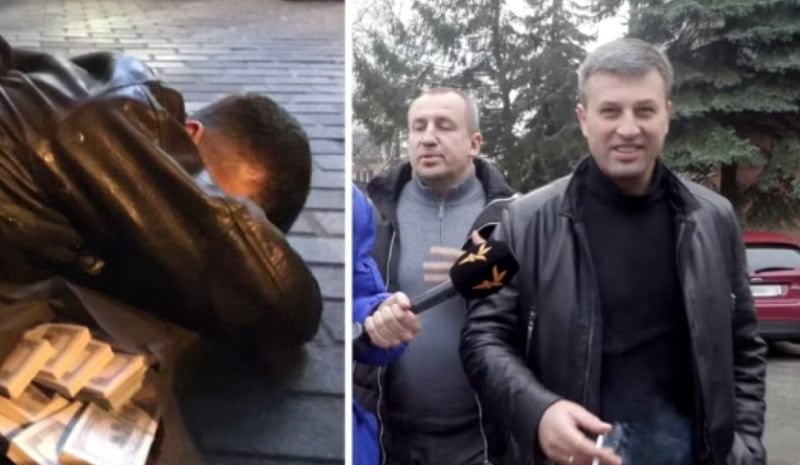
Shevchenkivskyi District Court of Kyiv found two former prosecutors not guilty of demanding $150,000 to close a case.
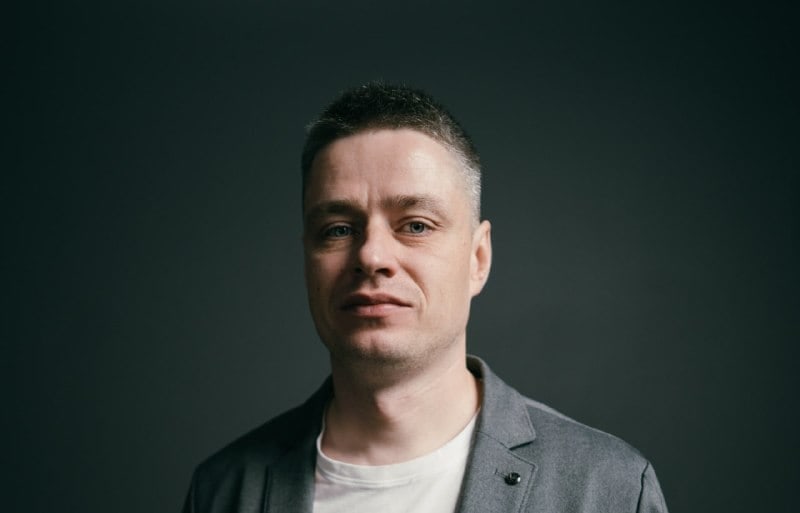
Investigation revealed that custodian company Trustee Plus has legally ceased to exist, while customers face fund blocking under the pretext of audits.
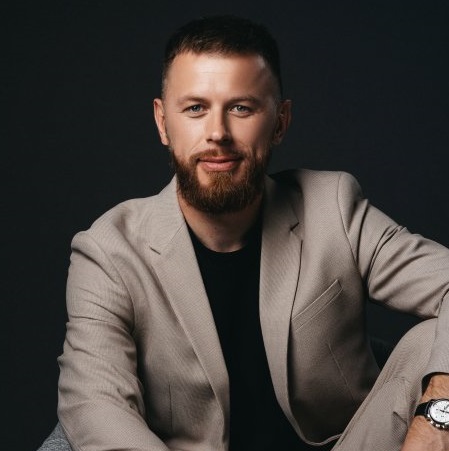
In the context of a full-scale war, it is hard to imagine that Russian business not only maintains its positions in Ukraine but continues to penetrate state institutions, the judicial system, and even law enforcement agencies.
Money that opens any doors
Hundreds of thousands of dollars flowing from Russian business easily cross any moral boundaries. These funds help resolve issues in courts, tax authorities, law enforcement agencies, and regulatory bodies such as KRAIL.
Moreover, a significant portion of the funding is directed towards advertising budgets, allowing the purchase of loyalty from media outlets and bloggers. This creates a situation where news about the Russian connections of certain companies is either suppressed or presented in a favourable light. Simultaneously, separate resources are allocated to discredit those who dare to speak openly about these connections.
As Ihor Zotko once noted in a closed chat: "нужно сформировать в информационном поле месседж, что предатели Украины – это те, кто пишет об этом деле" (it is necessary to form a message in the information space that the traitors of Ukraine are those who write about this case).
Recent statements by the prosecutor shed light on specific facts. Even in 2024, the company Pin-UP not only had Russian roots but also conducted active operations on Russian platforms. When the State Bureau of Investigation took an interest in this matter, the company's owners discussed how to counter it.
According to available data, $70,000 was allocated for a counter-expertise intended to prove that the company's Russian trail was a myth. In parallel, ways to block investigators' access to Russian resources were discussed.
Particular attention should be paid to a message in a chat between Zotko, Punin, Matyashov, Bannikov, and Ilyina:
"Главное, чтобы они не связали вас с Pin-UP" (The main thing is that they don't link you to Pin-UP).
This episode is just part of the bigger picture. If private Russian business can penetrate Ukrainian state structures so easily, how deeply can the state interests of Russia and the financial flows of the Putin regime be integrated?
Comments
No comments yet. Be the first!